15 Ways Logistic Trolley Streamline Supply Chain
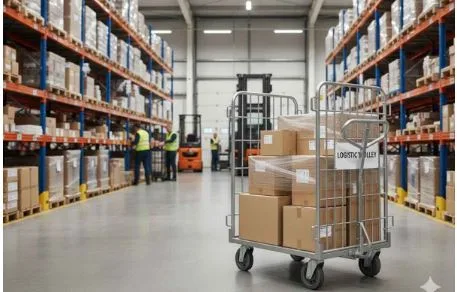
Warehousing operations rely heavily on tools that streamline transport, improve workflow, and reduce manual strain, and the Logistic Trolley stands out as one of the most versatile solutions available. It enables workers to move goods quickly between storage, picking, and packing zones while maintaining consistent organization throughout. With improved accessibility and structured load placement, it supports smoother day-to-day functions.
Its ability to reduce clutter, enhance movement paths, and support clearer operational flow makes it a valuable asset in all environments. Workers benefit from reduced fatigue and more predictable handling routines across shifts. Businesses adopting this solution experience fewer disruptions and more consistent productivity. Its presence contributes directly to better overall operational control.
How It Streamlines Supply Chains?
1. Faster Picking Cycles
A Logistic Trolley enables workers to gather multiple products in a single run, reducing repeated travel and unnecessary footsteps. Its mobile structure ensures items can be grouped and sorted efficiently during the picking process. This leads to faster completion of tasks and smoother transitions between zones. Workers spend less time backtracking and more time fulfilling orders.
By keeping items accessible and organized in real time, picking tasks become far more accurate and fluid. Movement between aisles is simplified, minimizing congestion and delays during peak hours. The overall picking rhythm improves as workers follow a continuous flow. This boosts throughput and ensures orders move quickly toward packing.
2. Reduced Manual Lifts
The trolley reduces the physical demands placed on workers by eliminating many repetitive lifts. Items can be rolled instead of carried, creating a safer and more ergonomic working environment overall. Heavy loads become manageable without strain, and workers stay productive for longer periods. This reduces fatigue and the risk of workplace injuries.
With fewer lifts required, operations see a noticeable drop in unnecessary effort and downtime. Workers can focus on organizing and transporting items more efficiently. Reduced strain also supports better long-term ergonomics in busy facilities. As a result, daily operations become both safer and more streamlined.
3. Single-Touch Handling
The trolley promotes single-touch workflows by allowing items to be transferred from storage directly to packing without multiple handoffs. This reduces handling stages and keeps goods more organized throughout the process. Fewer touchpoints lead to improved accuracy and reduced opportunities for misplacement.
This simplified movement enhances both speed and consistency across operations. Workers spend less time sorting and more time completing tasks. Single-touch routines also reduce the likelihood of error when managing large volumes. Facilities adopting this flow experience more efficient order processing overall.
4. Optimal Space Density
An organized Logistic Trolley helps maximize floor space by consolidating goods into a mobile, structured unit. Instead of requiring static shelves or wide open staging areas, it allows inventory to be arranged compactly while remaining fully accessible. This supports cleaner aisles and smoother circulation in active zones.
Better space density allows facilities to increase storage capacity without expensive expansions. Items can be staged neatly and moved only when required, reducing clutter buildup. As a result, employees navigate the workspace more freely and safely. Efficient spatial planning ultimately enhances workflow across all operational stages.
5. Supports Mobile Storage
Trolleys allow items to be temporarily staged anywhere in the warehouse, supporting flexible workflow management. Workers can position goods closer to active work zones, reducing travel time. For facilities looking for practical solutions, Warehouse Trolley Malaysia offers sturdy, reliable performance while enhancing mobility and organization. This ensures operations remain smooth during peak periods or seasonal demand.
Mobile storage eliminates the need for permanent shelves in temporary areas. Teams can adjust layouts without disrupting overall workflows. Inventory remains accessible wherever it is needed most. This flexibility enhances speed, responsiveness, and overall warehouse efficiency.
6. Efficient Reverse Logistics
Trolleys simplify the movement of returned items by allowing them to travel directly from receiving to inspection or restocking zones. This reduces handling delays and minimizes pile-ups in areas with heavy return volumes. Workers can manage returns in batches, keeping the environment controlled.
Streamlined movement prevents bottlenecks and speeds up reintegration into stock. Items stay more organized, reducing errors during evaluation. This helps maintain accuracy in inventory records and ensures quicker turnaround. As a result, reverse logistics becomes less disruptive to overall operations.
7. Minimized Product Damage
The Logistic Trolley reduces product damage by limiting excessive lifting and carrying during movement. Its stable surface keeps items secure while traveling between areas, lowering the risk of collisions or drops. This helps ensure goods retain their quality throughout handling.
Fewer accidents translate into lower replacement costs and improved customer satisfaction. Workers also gain confidence in transporting fragile or heavy items safely. This consistent protection of products supports smoother workflows. Ultimately, damage prevention strengthens both efficiency and reliability.
8. ‘Pick to Cart’ Efficiency
The trolley supports pick-to-cart operations by allowing workers to place items directly into organized compartments during picking. This minimizes sorting time and accelerates overall order assembly. Structured compartments keep items separated and easy to verify.
With fewer steps required, processing speed increases significantly. Workers handle items in a continuous motion from selection to staging. This reduces confusion and helps maintain a clean workflow. Facilities benefit from faster, more predictable order fulfillment cycles.
9. Clear Product Visibility
Open and accessible layouts on the trolley ensure that items remain fully visible at all times. Workers can quickly identify labels, shapes, and SKU groups without unnecessary searching. This boosts accuracy during both picking and replenishment.
Enhanced visibility means workers make fewer mistakes and maintain better control of inventory movement. Managers can also monitor goods at a glance, improving oversight. Clear visibility contributes to smoother, faster operational routines. It supports consistent accuracy across all handling tasks.
10. Quicker Loading/Unloading
The Logistic Trolley speeds up loading and unloading by consolidating goods into a single easily moved unit. Workers can roll items directly to docks or storage zones without multiple trips. This reduces congestion and accelerates shipping and receiving.
Smoother dock operations lower the risk of delays and support timely dispatching. Workers experience less physical strain as movement becomes continuous and predictable. This keeps daily schedules on track even during peak demand. Efficient flow enhances the reliability of outbound and inbound operations.
11. Improved Worker Ergonomics
Using a Logistic Trolley supports ergonomic working conditions by reducing bending, lifting, and twisting. Workers push rather than carry, helping maintain natural posture throughout shifts. This reduces strain on muscles and joints.
Improved ergonomics result in fewer injuries and greater long-term comfort for employees. This supports better morale and sustained productivity. Lower physical stress also reduces absenteeism in demanding facilities. An ergonomic workflow ensures that operations remain efficient and safe.
12. Dedicated Kitting Areas
Trolleys support kitting by allowing components to be gathered and transported efficiently to assembly zones. Workers can keep parts organized and separated during preparation. This reduces the chances of missing or misplaced components.
Kits can be moved, staged, or stored without disrupting the workflow. Workers complete assembly tasks more reliably thanks to improved organization. This consistency enhances productivity in both manufacturing and fulfillment. Kitting becomes smoother, faster, and more controlled.
13. Dynamic Layout Flexibility
A Logistic Trolley supports highly flexible warehouse layouts by enabling mobile staging, shifting work zones, and temporary storage setups. Teams can reconfigure areas quickly without major structural changes. This adaptability keeps operations efficient during demand shifts.
Flexible layouts help facilities respond to seasonal peaks, product changes, or workflow adjustments seamlessly. Workers can realign tasks without slowing overall performance. This reduces downtime and creates adaptable pathways for movement. Layout flexibility enhances long-term operational resilience.
14. Simplified Inventory Counts
Inventory counts become faster when items are grouped on movable platforms. Workers can bring entire sections of stock to counting stations instead of walking long distances. This reduces fatigue and improves accuracy.
Organized item placement allows teams to complete audits in shorter timeframes. Fewer disruptions occur when items remain consolidated and mobile. Streamlined inventory checks help maintain consistent accuracy throughout the year. Efficient counting routines reinforce better stock management.
15. Cross-Docking Catalyst
The trolley enables goods to move directly from receiving to shipping areas without extended storage time. This supports faster transfer in cross-docking operations, reducing overall handling. Workers can sort items quickly as they move across the facility.
Improved flow helps facilities meet tight dispatch schedules even during high-volume periods. Reduced dwell time lowers congestion in critical zones. Consistent movement keeps operations responsive and efficient. Cross-docking becomes more reliable and cost-effective.
Quality Place to Shop
3D-Tube has established itself as a reliable destination for businesses seeking durable, efficient, and professionally engineered handling equipment. Their commitment to quality ensures that every product is built to deliver long-term performance in demanding environments. Customers benefit from precise craftsmanship, dependable materials, and thoughtful design features. This makes it a trusted partner among industries requiring consistent handling solutions.
The company’s customer-focused approach ensures smooth purchasing, clear communication, and dependable after-sale support. Buyers can explore a diverse catalog that meets modern warehouse needs without compromising durability. With responsive service and skilled guidance, 3D-Tube simplifies the procurement process. Every purchase reflects a commitment to reliability, efficiency, and industrial-grade quality.
Conclusion
A Logistic Trolley strengthens nearly every stage of material handling by improving movement, organization, ergonomics, and speed across warehouse operations. Its structured mobility ensures smoother processes, fewer disruptions, and more consistent productivity throughout the day.
By reducing strain, preventing damage, enhancing visibility, and supporting flexible layouts, it becomes an essential tool for modern facilities. Operations benefit from faster workflows, safer practices, and cleaner organization. Integrating this solution leads to higher efficiency and an adaptable, future-ready supply chain.