4 Practical Ways to Lower Indoor Allergens
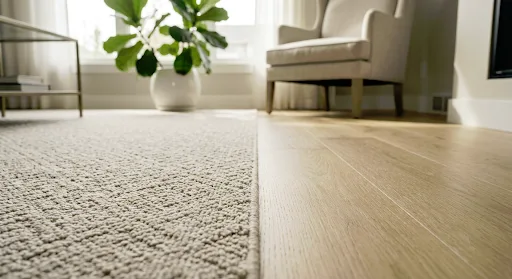
There are more than 106 million people every day coping with the compounding effects of chronic respiratory sensitivities and asthma across the country. The effects can be wide-ranging and persistent, limiting a person’s ability to enjoy day-to-day tasks and responsibilities, which can in turn compromise long-term mental health and happiness. Managing this burden requires shifting from temporary surface cleaning to aggressive, systematic environmental control inside your home, and the payoff is always worth the effort.
Indoor air is often significantly more problematic than the air outside because modern buildings are tightly sealed, trapping particulate matter within our living spaces. When microscopic irritants accumulate in textiles and dead air pockets, they trigger continuous, year-round microscopic attacks on your respiratory system.
Upgrade Filtration and Air Flow
Standard fiberglass filters only catch large dust bunnies, allowing microscopic spores to cycle freely through your vents. Swapping those basic models out for a high-minimum-efficiency reporting value filter will actively extract fine ambient debris before it settles in your breathing zone.
To preserve your daily respiratory comfort, ensure your mechanical systems draw fresh air from outside while continuously running dedicated local exhaust zones. Microscopic airborne particles can be easily minimized by keeping your interior doors open to maximize circulation and running the kitchen vents for 20 minutes after cooking.
Schedule Deep Extraction for Carpets and Upholstery
Soft textiles act like giant horizontal magnets for organic debris, collecting skin cells, tracked-in pollen, and biological waste deep within their foundational backing layers. Vacuuming cleans the superficial layers, but deep fibers require professional, heavy-duty hot-water extraction to fully break the bond between the material and sticky environmental irritants.
Enlisting an expert technician like those at Boss Carpet ensures that embedded dander is completely removed from the weave. It’s much easier than attempting to achieve the same results yourself using only domestic equipment and techniques.
Our homes should feel like a sanctuary, yet data from an independent Allergy UK impact report reveals that up to 20% of the population experiences chronic symptoms driven specifically by indoor triggers. Regular, intensive extraction keeps these hidden irritants from going airborne every time someone walks across the room.
Tighten Ambient Moisture Control
High moisture levels turn dark corners into active breeding grounds for microscopic organisms. Dust mites and fungal colonies require high ambient moisture levels to thrive and colonize soft goods.
Public health parameters published by the Asthma and Allergy Foundation of America state that maintaining indoor relative humidity below 50% effectively stops the reproductive cycles of dust mites. You can achieve this by implementing three specific protocols:
- Deploy compressor dehumidifiers in below-grade spaces
- Seal leaky plumbing fixtures immediately
- Empty appliance condensation collection trays weekly
By starving these microscopic organisms of the baseline moisture they need to survive, you prevent them from populating your shared living spaces.
Simplify Material Environments
Overstuffed furniture and intricate window treatments create thousands of tiny crevices where airborne debris can evade basic cleaning routines. Replacing heavy, woven fabrics with sleek, non-porous alternatives significantly reduces the total particulate-carrying capacity of your home.
Opting for roll-down shades instead of heavy drapes makes it easy to wipe away incoming outdoor soot with a damp microfiber cloth. Transitioning to simple, washable blankets allows you to use the high-heat cycles of your laundry equipment to neutralize biological proteins every week.
Designing a Healthier Home Environment
A clean home requires continuous maintenance and a strategic approach to managing your indoor air quality. Our site has lots more coverage of important talking points for modern audiences, so stick around and read more if you’re keen to keep your home and your lifestyle in line with current trends.