5 Essential Factors for Long-Lasting Asphalt Performance and Durability
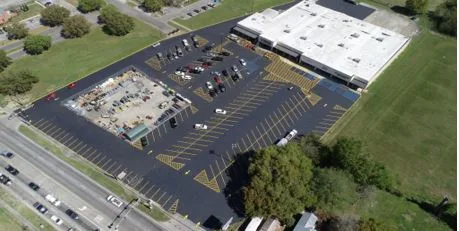
Maintaining a commercial parking lot or a residential driveway involves more than just an occasional sweep. Asphalt is a complex, flexible pavement system that requires a strategic approach to installation and upkeep to reach its full life expectancy. When properly engineered, an asphalt surface can last upwards of twenty to twenty-five years, but achieving that longevity depends on understanding the structural mechanics of the material. Many property owners view paving as a purely aesthetic upgrade, yet the real value lies in the sub-surface preparation and moisture management. By prioritizing the following five structural factors, you can protect your pavement investment from premature degradation and ensure a smooth, safe surface for decades.
1. The Foundation: Subgrade Stability and Base Preparation
The most critical component of any paving project is ironically the part you never see. Asphalt is often referred to as a “flexible pavement” because it conforms to the shape of the layer beneath it. If the soil (subgrade) or the crushed stone (base) is unstable, the asphalt will inevitably crack, sink, or develop “alligatoring” patterns. Proper preparation begins with excavating unstable organic soil and replacing it with engineered aggregate.
Compaction is the invisible hero of this process. If the base material is not compacted to a specific density, air pockets remain. Over time, the weight of vehicles forces the asphalt into these pockets, creating ruts and depressions. A professional Paving Contractor focuses heavily on the gradation of the base stone, ensuring that smaller particles fill the voids between larger rocks to create a solid, interlocking foundation. Without a high-modulus base, even the thickest layer of asphalt will fail prematurely under the stress of daily traffic loads.
2. Hydraulic Management: The Art of Effective Drainage
Water is the primary enemy of asphalt. When moisture is allowed to pond on the surface or, worse, seep into the sub-base, it softens the foundation and triggers a rapid structural breakdown. In colder climates, this issue is exacerbated by the freeze-thaw cycle. Water that enters small hairline cracks expands as it freezes, exerting immense pressure that widens the cracks into significant potholes.
Effective drainage is achieved through precise grading. A slope of at least 1% to 2% is necessary to guide water away from the pavement and toward catch basins or natural runoff areas. During the planning phase, experienced teams at Pelagic Paving analyze the topography of the site to ensure that no “birdbaths” (standing puddles) form after a rainstorm. Actionable takeaway: Periodically inspect your pavement during heavy rain to identify areas where water is pooling; these are the locations where your first repairs will likely be needed.
3. Mix Design: Selecting the Right Asphalt Composition
Not all asphalt is the same. The “mix design” refers to the specific ratio of liquid asphalt cement (the binder) to the various sizes of aggregate (the stones and sand). The requirements for a heavy-duty loading dock at a warehouse are vastly different from those of a suburban cul-de-sac.
- Surface Course: This is the top layer, typically featuring smaller aggregates to create a smooth, aesthetically pleasing finish that resists water penetration.
- Binder Course: The middle layer uses larger stones to provide the structural “skeleton” of the pavement, distributing the weight of vehicles down toward the base.
Using a high-recycled content (RAP) can be eco-friendly and cost-effective, but if the percentage of recycled material is too high without the proper rejuvenating agents, the pavement can become brittle and prone to surface raveling. Understanding the specific traffic patterns of your property allows for a customized mix design that balances flexibility with load-bearing strength.
4. Proactive Maintenance: The Role of Sealcoating and Crack Filling
Think of sealcoating as the “sunscreen” for your asphalt. Ultraviolet rays from the sun break down the chemical bonds in the liquid asphalt binder, causing it to turn from deep black to a brittle gray. Once the binder oxidizes, the aggregate starts to loosen, a process known as raveling. Applying a coal tar or asphalt emulsion sealer every two to three years creates a sacrificial barrier that shields the pavement from UV damage and chemical spills, such as oil and gasoline, which can dissolve the asphalt binder on contact.
Crack filling is equally vital. Once a crack exceeds a quarter-inch in width, it becomes a direct pipeline for water to reach the sub-base. Utilizing a hot-applied rubberized crack sealant creates a flexible, watertight bond that expands and contracts with the pavement during temperature shifts. Addressing these minor fissures immediately is the most cost-effective way to prevent the formation of massive potholes and structural base failure.
5. Thermal Regulation and Installation Timing
Asphalt is a “hot-mix” product, typically leaving the plant at temperatures between 275°F and 325°F. The window of time for successful installation is strictly dictated by the ambient air and ground temperature. If the mix cools too quickly before it can be properly compacted with a roller, the asphalt will remain porous, allowing water and air to infiltrate the mat.
This is why paving “season” is so critical in many regions. Attempting to lay asphalt on frozen ground or during a late-autumn cold snap often results in “cold seams” and poor density. A quality installation requires a synchronized dance between the asphalt plant, the transport trucks, and the paving crew to ensure the material is laid and compacted at the optimal thermal threshold.
Actionable Takeaway: If you are planning a large-scale project, aim for the mid-summer months when ground temperatures are consistently high. This ensures the longest possible “workability” window for the asphalt, leading to a denser, more durable finish.
Summary of Pavement Longevity
Achieving a twenty-year lifespan for your asphalt surface isn’t a matter of luck; it is a result of sound engineering and disciplined maintenance. By ensuring a rock-solid foundation, prioritizing drainage, choosing the correct material mix, staying ahead of cracks, and timing your installation correctly, you move waste management from a reactive headache to a proactive asset. Pavement is one of the most significant physical investments for any property, and a nuanced understanding of these five factors is the best way to ensure that your investment holds its value while providing a safe, high-performing surface for every vehicle that crosses it.