5 Myths About LED Downlights Every Homeowner Should Stop Believing
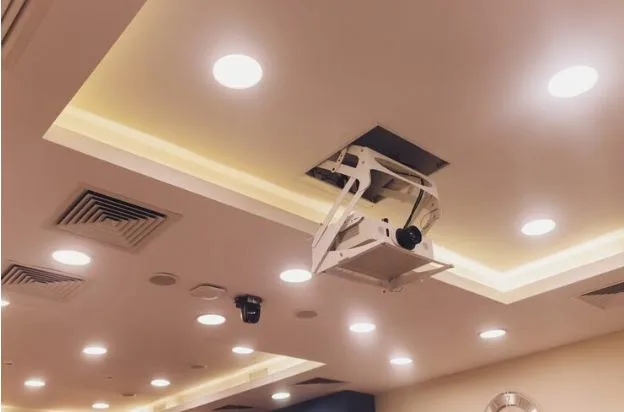
Walk into any lighting shop in Singapore, and you’ll hear confident statements about LED downlights that are simply wrong. “All downlights are the same.” “Higher wattage means brighter.” “Cheap ones from online marketplaces work just fine.”
These myths cost homeowners money, create frustrating flicker, and leave rooms with poor color quality. This article debunks five persistent myths and explains why choosing a quality Megaman downlight or similar reputable brand transforms your home’s lighting experience.
Background: The Downlight Confusion
Recessed lighting (downlights) is the default choice for false ceilings in Singapore’s HDBs and condos. But the market is flooded with unbranded, poorly made units that fail within months. Understanding the truth behind common myths will save you from a costly re-installation.
Myth #1: “All downlights are the same—just buy the cheapest”
The Truth: Downlights vary dramatically in driver quality, LED chip binning, heat sink design, and beam angle consistency.
A cheap downlight typically uses:
- A low-quality driver that fails in 6-12 months (causing flicker then total failure)
- Unbinned LED chips (color temperature varies visibly between units)
- Inadequate heat sinking (LEDs overheat, lose brightness permanently)
A quality Megaman downlight uses constant-current drivers rated for 50,000+ hours, thermally managed housings, and tightly binned LEDs for perfect color consistency across every unit in your home.
The Cost Reality: Pay $8-12 for a generic downlight twice (including reinstallation labor) or pay $25-35 for a quality unit once. The math favors quality.
Myth #2: “Higher wattage means brighter light”
The Truth: Brightness is measured in lumens, not watts. Watts measure energy consumption. Efficiency (lumens per watt) is what matters.
A poor-quality 12W downlight might produce only 600 lumens (50 lm/W). A high-quality buy downlight option from a reputable brand at 9W could produce 810 lumens (90 lm/W)—brighter and using less energy.
What to Look For:
- Ignore wattage. Look for lumen output (800-1100 lumens is typical for general room lighting)
- Check the lm/W rating (aim for 80+ lm/W for downlights)
- For recessed lighting Singapore homes, 9-12W is usually sufficient if the lumens are high
Myth #3: “Flicker doesn’t matter—I can’t see it”
The Truth: You may not see the flicker, but your brain and eyes do. Non-visible flicker (100-120 Hz) causes eye strain, headaches, and fatigue—especially under fluorescent or poor LED drivers.
High-quality LED lighting uses flicker-free drivers with less than 5% percent flicker. Cheap drivers often have 30-50% flicker, which becomes visible when you wave your hand under the light or look at your phone’s slow-motion camera.
The Test: Open your phone’s camera in slow-motion mode. Point it at the downlight. If you see rolling bands or flashing, that downlight will cause eye fatigue over hours of exposure.
Myth #4: “Color temperature doesn’t matter—just pick ‘white'”
The Truth: Color temperature dramatically affects mood, sleep, and how your home’s paint and furniture appear.
- 3000K (Warm White): Relaxing, cozy. Best for bedrooms and living rooms.
- 4000K (Neutral White): Alert, clean. Best for kitchens, home offices, and bathrooms.
- 5000-6500K (Cool White/Daylight): Harsh, clinical. Avoid for homes (fine for garages or task lighting).
But even more important is Color Rendering Index (CRI) . Cheap downlights often have CRI 70-80—colors look dull and washed out. Quality Megaman downlight products offer CRI 90+, so your red sofa actually looks red, and your wood floor looks rich.
The Rule: Always buy CRI 90+ for living spaces. CRI 80 minimum for utility areas.
Myth #5: “Installing downlights in false ceiling is simple—any handyman can do it”
The Truth: Improper installation is the #1 cause of downlight failure and fire hazards.
Common installation mistakes:
- Using insulation-unrated downlights (IC-rated vs. non-IC matters for fire safety)
- Overcrowding drivers in tight ceiling spaces (heat buildup kills LEDs)
- Incorrect hole cutting (too tight causes overheating; too loose causes rattling)
- Daisy-chaining too many downlights on one driver (overloads the circuit)
The Correct Approach:
- Use IC-rated downlights if insulation will contact the housing
- Leave 50-100mm of clearance around drivers for airflow
- Use a licensed electrician familiar with false ceiling installation in Singapore
- Calculate total load per driver (typically 4-6 downlights max per driver for 10W units)
Why Upfront Quality Saves Money Long-Term
Let’s compare a 5-year cost projection for 10 downlights in a typical 4-room HDB:
Item
Cheap Downlights ($12 each)
Quality Megaman Downlights ($32 each)
Initial cost
$120
$320
Replacement units (2-3 failures)
$24-36
$0
Electrician labor (re-installation)
$80-120
$0
Headaches, flicker, eye strain
Priceless (bad)
None
5-year total
~$250
~$320
Only $70 more over 5 years for perfect light quality, no failures, and zero frustration. That’s less than a dollar per month.
Conclusion: Light Smarter, Not Cheaper
Stop believing the myths. Downlights are not commodities. Invest in high CRI, flicker-free, properly driven LED lighting from a trusted source. Your eyes, your electricity bill, and your peace of mind will thank you.
Ready to upgrade your home with professional-grade downlights? Explore our range of Megaman downlights —the choice for homeowners who demand quality, consistency, and long-term reliability.