5 Signs Your Restaurant in Houston Needs Deep Cleaning Now
It’s a busy Friday night in Houston’s Montrose dining scene. Your grill sizzles, orders fly, and because of that, grease coats your hoods, floors stick underfoot, and a faint drain odor lingers. As a restaurant owner, you know these aren’t just annoyances—they’re red flags leading to health violations, lost customers, and skyrocketing repair costs—brought about by Texas’s humid climate. Spotting them early protects your bottom line.
Health Code Risks Specific to Houston Restaurants
Texas enforces Rule 229 rigorously in Houston, with Harris County inspectors conducting around 1,200 restaurant checks yearly, often unannounced. Fines range from $50 to $2,000+ per violation and escalate for repeat offenses.
Furthermore, Houston’s relentless humidity (often 80-90%) accelerates grease hardening and bacterial growth, making quarterly deep cleans non-negotiable.
These are some of the common codes Houston, TX, owners should be keen on:
- Hood & Duct Cleaning (Section 228.107 / NFPA 96): Kitchen exhaust systems must be cleaned to “bare metal” at intervals mandated by the Fire Marshal to eliminate combustible grease.
- Pest Control (Section 228.186): Evidence of pests like roaches or rodents is a Priority Foundation violation that triggers immediate point deductions and potential fines up to $2,000.
- Floor & Drain Sanitation (Section 228.181): Accumulation of “sticky residues” or standing water violates sanitation standards and is a common cause for structural point deductions.
- Grease Trap Maintenance (Houston Ordinance Section 47-512): Traps must be cleaned before they reach 25% capacity, with missing service manifests being the primary source of administrative fines.
Ignoring these doesn’t just cost cash—it damages reputation. Americare’s deep cleaning services align directly with Rule 229 protocols, including documented hood logs and trap pumping.
Sign 1: Persistent Grease Buildup on Hoods and Equipment
Grease doesn’t just accumulate; it hardens in Houston’s 80%+ average humidity, blocking exhaust fans and turning vents into fire traps. Texas Health and Safety Code Rule 229 requires hood cleaning quarterly at a minimum, yet many spots skip it until inspectors cite violations averaging $500 per infraction.
- Ovens and fryers show black residue that wipes off in layers.
- Hoods drip or feel tacky to the touch.
- Exhaust fans hum louder or cut out mid-shift.
- Staff reports about slippery handles on equipment doors.
Skip this long enough, and you’re looking at fire marshal visits or forced shutdowns. Professional hood-to-trap degreasing with the help of industrial tools strips grease buildup overnight, keeping airflow strong and codes met.
Sign 2: Lingering Odors from Drains and Floors
That stale, sour smell wafting from kitchen drains or trash zones signals food waste and bacteria festering beyond surface mops. In Houston’s warm weather, it amplifies fast, drawing complaints on Google reviews where one-star hygiene hits drop tables by 25%.
Odors persist after nightly bleach sprays, drains gurgle during rushes, and front-of-house picks up faint kitchen funk.
Buyers like you test this by walking your space blindfolded—if it hits you, customers notice too. Americare applies enzyme treatments to break down organics at the source, paired with floor stripping for odor-free results that keep diners coming back.
Sign 3: Sticky Floors and Counters in High-Traffic Zones
Tacky surfaces under prep tables or counters mean layered grime from spills and foot traffic, creating slip hazards under OSHA standards. Houston restaurants experience this spike as the lunch rush dies down, turning floors into liability magnets with claims averaging $15,000 per incident.
- Spots feel gummy after mopping.
- Dust bunnies stick in corners and under equipment.
- Counters leave residue on towels or gloves.
- High chairs in dining areas attract more spills.
Pressure washing paired with humidity-tough sealants stops the stickiness cold, helping you handle Texas foot traffic without a hitch.
Sign 4: Increasing Pest Sightings or Droppings
Ant trails near sinks or roach shadows under fridges point to unsealed cracks harboring crumbs and fats. Houston’s year-round warmth breeds pests 30% faster than drier states, leading to HACCP protocol violations and triggering automatic fails on health checks.
Protecting your investment means acting before one sighting of ants and roaches snowballs. Americare seals entry points during deep cleans, combining pest-deterrent sanitizers with their industrial protocols to safeguard your operations long-term.
Sign 5: Rising Staff or Customer Complaints
According to WifiTalents’ 2026 data, hygiene complaints cut repeat visits by up to 60%. Feedback like “bathroom’s gross” or allergy flare-ups from dusty vents signals neglected zones, including areas under fridges or AC units. In Houston’s competitive market, hygiene complaints erode loyalty.
- Logs show 2+ weekly mentions about unclean areas.
- Servers note diner hesitations at tables.
- Allergy claims tick up seasonally from dust.
- Bartenders report sticky rails or glassware issues.
- Delivery drivers mention odors in loading zones.
Complaints can tank your revenue faster than you think. As a restaurant owner, conducting quarterly full-facility audits should uncover hidden spots, turning feedback into raving reviews with targeted checklists.
Americare’s Proven Deep Cleaning Process
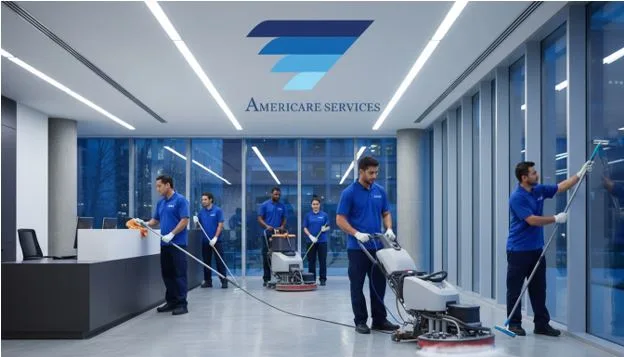
Americare tailors Houston restaurant deep cleans with a comprehensive, four-phase process designed for minimal disruption and maximum compliance. This methodical approach ensures every corner meets Texas health standards while protecting your operations from Houston’s unique environmental challenges that stem from high humidity and heavy use.
1. Inspection Phase: Thorough Free Audit
Trained technicians arrive on-site for a detailed walkthrough, using UV lights and moisture meters to flag all five signs discussed—grease layers, odors, sticky surfaces, pests, and complaint triggers. They document findings with photos and a digital report, prioritizing high-risk areas like hoods and drains. This step typically takes 30-90 minutes, depending on the size and complexity of the area.
2. Degreasing Phase: Industrial-Grade Removal
Equipped with HEPA-filtered hot water pressure systems and alkaline-free degreasers, the team tackles hoods, ducts, fryers, ovens, and grease traps. For hardened buildup, they apply heated solutions that penetrate without damaging surfaces, followed by scraping and rinsing. This phase achieves a 95% grease reduction in one pass and can be completed overnight to avoid peak hours.
3. Sanitization Phase: 99.9% Bacteria Elimination
Next comes hospital-grade disinfection using EPA-approved quaternary ammonium compounds and UV-C light wands on floors, counters, walls, and drains. Enzyme boosters target organic waste in traps and sewers, preventing regrowth. In humid Houston kitchens, this step includes quaternary fogging for airborne pathogens, hitting 99.9% kill rates on E. coli and Salmonella—critical for passing cross-contamination checks.
4. Sealing and Testing Phase: Long-Lasting Protection
Eco-friendly sealants are applied to floors and porous surfaces, creating a humidity-resistant barrier that repels grease and simplifies future maintenance. Final air quality tests via ATP swabs verify cleanliness, with results emailed instantly to clients. Americare provides a 30-day warranty, plus follow-up tips tailored to your menu and traffic volume.
Become a 5-Star Rated Restaurant in Houston, TX Today
Cleanliness is your one-way ticket to packed tables, glowing Yelp reviews, and steady revenue growth. You’ve spotted the five signs, understood the health code traps, and seen how a tailored deep clean from Americare transforms risks into reliability. Ready to elevate your cleanliness game?
- Book your no-obligation site audit and custom quote today via [email protected].
- Or call their Houston team at (346) 770-2322 for same-week service—slots book fast in peak season.
Act now to turn those warning signs into 5-star success. Your spotless kitchen awaits.