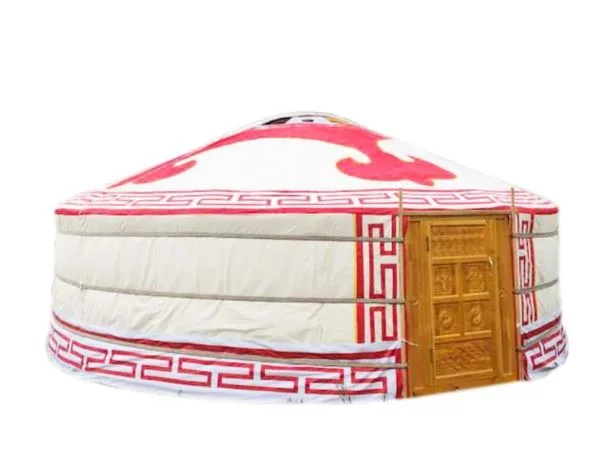
6 Effective Ways To Maintain And Care For The Wool Felt Layers in Your Mongolian Yurt
Maintaining a yurt can become challenging when wool felt layers begin to lose their effectiveness over time. Exposure to moisture, dust buildup, and changing weather conditions can reduce insulation and affect indoor comfort.
Moreover, inappropriate handling during installation or storage may compress the felt, causing it to be less efficient between seasons. As a result, keeping warm in the colder seasons and maintaining the airflow during the hot ones becomes challenging.
However, all these problems can be addressed through regular and effective care. With an emphasis on moisture control, effective ventilation, and attention to handling, you can maintain the structure and performance of the felt layers.
Moreover, minor maintenance practices can also be helpful to avoid future damage and minimize repair requirements. This article explains effective methods to maintain wool felt layers that keep your yurt durable, comfortable, and reliable all year round.
1. Moisture Control to Protect Felt Layers
Wool felt is used in a Mongolian yurt as the primary insulating layer, and moisture control is essential to maintain its performance. Felt is inherently absorbent, so even the slightest level of moisture can decrease its heat-retaining capacities and control indoor conditions over time.
This is why it is important to make sure that the outer waterproof layer is always secured and has no gaps. Following rain or snowfall, the structure should be inspected for any dampness or seepage. When the felt becomes wet, it should be dried thoroughly before any further use. Otherwise, the material can deteriorate with time and lose its insulating properties.
Consequently, regular moisture management not only preserves the felt but also assists in stabilizing the indoor environment. This practice minimizes the risks of mold, odor, and insulation loss in the long run.
2. Regular Ventilation to Maintain Breathability
Proper air circulation is required to keep the wool felt and the inner cotton lining in good condition. A lack of air circulation leads to the growth of humidity in the yurt, which may impact comfort and the quality of materials.
To create balance, open roof vents or door flaps on a regular basis so that fresh air can flow through the building. This is particularly necessary after cooking, on rainy days, or when the yurt has been closed for long periods. Trapped moisture is gradually evaporated as fresh air circulates.
Also, regular ventilation helps to maintain the natural breathability of the materials. As a result, the felt remains dry, and the general interior atmosphere is comfortable and balanced.
3. Surface Cleaning to Support Insulation Efficiency
Dust and debris might not appear as the immediate problems, but in the course of time, they can build up in the felt layers and influence performance. When particles settle on the fibers, they minimize the capacity of the material to trap air, which directly affects insulation.
That is why the routine cleaning must be kept simple and consistent. Lightly sweep the surface or shake out the felt to get dust off. Meanwhile, do not use too much water or harsh cleaning chemicals, which may ruin the natural fibers and reduce durability.
Consequently, keeping the surfaces clean prevents the felt from being ineffective in the changing seasons. In the end, this small effort would make insulation consistent and reliable.
4. Careful Handling to Prevent Compression
The wool felt works best when it maintains its original thickness and structure. However, the material can be compressed due to rough handling during setup, dismantling, or storage, and this compromises its insulating capability.
To avoid this, the felt layers should be handled with care when installing. Make sure that they are positioned evenly, not pressed in between structural elements. Likewise, when dismantling, fold or roll the material, gently without applying excess pressure.
As a result, maintaining the original form of the felt allows it to trap air efficiently, which is essential for temperature control. Over time, careful handling helps preserve both structure and performance.
5. Outer Layer Checks to Safeguard Inner Felt
The outer cover of the yurt is very significant in protecting the wool felt from environmental exposure. Therefore, any damage to this outer cover may have a direct effect on the condition of the insulation inside.
Thus, inspection of the outer cover is essential in ensuring that any problems are addressed before they cause damage. Search for tears, loose knots, or weak spots that might permit water or wind to enter. This is because once the problems are identified, it is easier to fix them and prevent any damage.
Consequently, a well-preserved outer shell still protects the inner felt against adverse weather. This, in its turn, enhances the durability and stability of insulation over time.
6. Proper Storage to Extend Material Lifespan
When the yurt is not in use, proper storage becomes essential for preserving the quality of wool felt layers. Otherwise, poor storage conditions can lead to moisture retention, unpleasant odors, or permanent deformation.
Before storing, make sure the felt is completely dry. Then, place it in a clean, well-ventilated area where it remains protected from damp conditions. Additionally, avoid stacking heavy items on top, as this can compress the material and affect its structure.
As a result, proper, well-organized storage ensures that the felt remains in good condition for future use. Moreover, it makes reassembly easier and helps maintain consistent performance.
Bottomline
Maintaining wool felt layers requires consistent attention, as it directly improves both comfort and durability. When moisture is controlled, airflow is maintained, and handling is done carefully, the felt continues to deliver reliable insulation in changing conditions.
In addition, regular cleaning and inspection help prevent gradual damage and preserve performance over time. By following these practical steps, you can maintain a stable and comfortable living space while protecting the yurt’s structure. As a result, the felt retains its efficiency and supports consistent performance across seasons.