
6 Key Types of Warehouse Storage Solutions and Their Applications
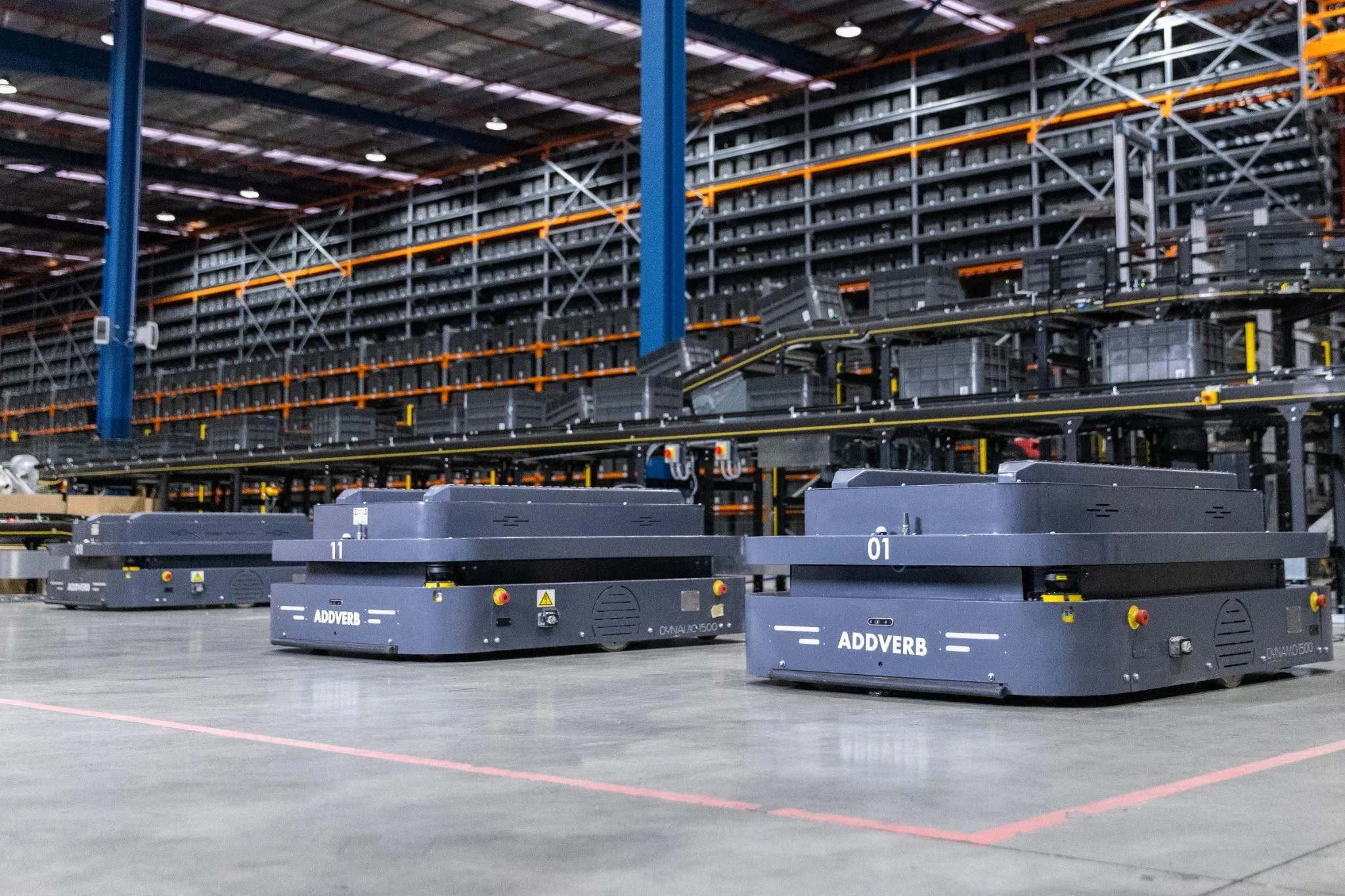
In modern warehouses, effectiveness and the utilization of space have become the most important aspects. The increasing demand for real estate and rising costs are pressing businesses to rely more on warehouse storage technologies to maximize both inventory density and speed.
Here are the six most important types of warehouse storage solutions, their uses, and how to choose one that fits your operations best.
Types of Warehouse Storage Systems and Their Uses
1. Crane-based ASRS (Stacker Cranes)
This high-density automated system is a fixed kind and consists of computer-operated cranes that take care of placing and storing pallets or loads within tall racking systems. This solution fits best when it comes to long-term pallet storage within industries that have heavy pallets or moving stock that is not very slow, where modern inventory control and compact storage are the most important things.
2. Pallet Shuttle (Mother-Child Shuttle)
This warehouse storage solution is perfect for high-throughput environments such as FMCG, cold storage, or large distribution centers, where maximising density and minimising aisle space is essential.
3. Carton Shuttle / Multi-Level Shuttle (Medius)
The multi-level shuttle system is one of the highly dynamic warehouse storage solutions when it comes to the storage of totes or cartons. It functions all the way up to seven levels and has robotic shuttles that are responsible for the horizontal and vertical movement of the goods at high speed. Medius can be a good fit for the e-commerce, the pharmaceutical industry, and the omnichannel retailing of highly diversifying SKUs with rapid order cycles.
4. Goods-To-Person Mobile Robots (Veloce)
This warehouse storage solution is particularly useful in fast-moving distribution setups, as it increases picking efficiency, uses vertical space effectively, and reduces reliance on forklifts.
5. Autonomous Mobile Robots (AMRs / AGVs)
AMRs can help transport pallets or crates around the warehouse without fixed infrastructure. These robots integrate seamlessly with storage systems, conveyors, and sortation systems. As a warehouse storage solution, AMRs help decentralize operations, enabling dynamic workflows and reducing travel time.
6. Conveyor-Based Systems
While conveyors may not store items long-term, they are essential for connecting storage zones like ASRS or shuttle racking to picking, packing, or sorting areas, forming a holistic warehouse storage solution that streamlines flow and reduces manual handling.
How To Choose The Right Storage Solution For Efficiency
Selecting the right approach depends on several factors:
Storage density vs. throughput: Fixed systems, such as crane ASRS or pallet shuttles, are best if you want to prioritize maximizing capacity. In case you are in need of quick cycle times, dynamic shuttles, or goods-to-person robots should be looked into.
Scalability and flexibility: AMRs and conveyors have the most adaptability if your operations need to scale or be reconfigured often.
Space limitations: Crane ASRS and shuttle allow vertical storage, which is more density-efficient in a smaller space.
Integration requirements: Look at how any storage system will interact with your automated material handling system, WMS, or fleet management software for seamless operation.
Comparison Of Dynamic vs Static Storage Systems
Steady systems, such as crane-based ASRS and pallet shuttle, entail fixed infrastructure and predetermined paths. Since their installation, they are not easy to break down, which makes their major disadvantage less flexibility.
On the other hand, dynamic systems like shuttle-based ASRS, AMRs, and Goods-To-Person robots provide the advantage of being more flexible in this aspect. They can change according to the fluctuations in seasonal SKU changes, the sizes of loads, or the moving of workflows. Dynamic systems are able to combine with an automated material handling system without cracking the infrastructure.
Future Trends In Warehouse Storage Solutions
The warehouse automation landscape is evolving quickly, with advanced storage options, and the following trends are emerging :
- AI-driven optimization: Systems like Addverb’s WES will increasingly use machine learning to predict demand, optimize storage layouts, and dynamically allocate tasks.
- Edge computing: Robots like Dynamo rely on on-board sensors (LiDAR, cameras) and edge computing to make real-time decisions, enabling safer and more efficient navigation.
- Robot-as-a-Service (RaaS): With partnerships and cloud-based control, warehouses may lease fleets, reducing CAPEX.
- Sustainability: Warehouse storage solutions will be designed to reduce energy consumption, e.g., through regenerative braking and smarter task scheduling.
How Addverb’s Solutions Empower Modern Warehousing
At Addverb, the focus is on delivering scalable, intelligence-driven automated material handling system solutions that incorporate the six types of warehouse storage solutions described above. They offer not just hardware, such as the Medius (multi-level shuttle), Veloce ( ), Dynamo (AMRs), Skyron ( ), and conveyors. Their software stack includes:
Conclusion
Warehouse optimization is not just about installing additional racks anymore. It is about utilizing the complete warehouse storage solution technology, from crane ASRS and pallet shuttles through mobile robots and conveyors, all managed by a cutting-edge automated material handling system. With the choice of a proper mix of storage types and the use of AI-driven orchestration, companies can match their needs in density, flexibility, and throughput, and will thus be ahead of the automation curve.