6 Practical Steps to Protect Your Automatic Garage Door Opener
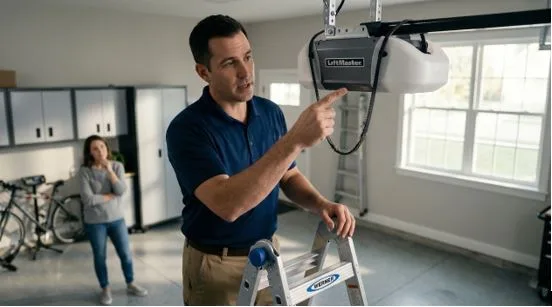
The automatic garage door opener is an incredible modern convenience that most homeowners rely heavily on multiple times every single day. In most households, the garage door serves as the largest moving physical mechanism on the property. Because it operates so seamlessly with just the push of a button, many homeowners completely ignore this heavy-duty system during their regular household maintenance routines. However, neglecting this vital machinery is a significant mistake.
Consistent upkeep extends far beyond mere noise reduction; it provides crucial security for your property, keeps your family physically safe, and prevents surprisingly costly emergency calls down the road. By establishing and implementing a consistent maintenance routine, you can reliably and significantly expand the operational lifespan of your entire garage system. Taking a proactive, watchful approach helps you identify minor mechanical wear and tear long before it escalates into a catastrophic mechanical failure. Here are six fundamental and highly practical steps to protect your automatic opener from premature failure.
- Maintain Clean and Aligned Tracks
The metal tracks on both sides of the entrance act as critical guides for the rollers, ensuring that the heavy panels travel in a perfectly straight line. As months pass, debris such as pet hair, dirt, and dust inevitably build up within these channels. This accumulation forces the rollers to grind rather than glide, which places severe and unnecessary strain on your automatic opener motor.
To combat this friction, wipe the interior of the tracks with a damp rag biannually. Never apply heavy grease to the track interior, because viscous lubricants attract debris and cause the rollers to slide uncontrollably instead of spinning properly. Additionally, verify that the tracks remain completely level and plumb; bent metal is a structural hazard that needs rapid correction to stop the system from derailing.
- Apply the Right Lubrication to Moving Parts
Keeping components properly lubricated is the absolute key to achieving a quiet, durable system. Mechanical assemblies degrade quickly under friction, and daily operation subjects your springs, rollers, and hinges to tremendous frictional stress.
Every six months, treat all moving metal components with a premium white lithium grease or a silicone-based spray. Carefully coat the ball bearings, metal rollers, and hinges, while applying a light layer to the extension or torsion springs to inhibit rust and maintain vital flexibility. Avoid reaching for standard WD-40 for this chore, as its degreasing properties will strip away beneficial oils and leave your hardware exposed to rapid wear.
- Check Door Balance and Reduce Opener Strain
When a door holds the correct tension balance, it transfers very little mechanical stress to the automatic opener unit. You can evaluate this balance by pulling the red release cord to disengage the automated motor. Lift the heavy panels manually to the midway point and release your grip; if the panels hover securely in place, your springs possess the correct tension.
If the panels forcefully drop or shoot upwards, the system requires immediate tension recalibration. Because the springs secure massive amounts of tension to lift the panels, they remain the most dangerous system components for an untrained individual to manipulate. Property owners should absolutely defer to professional broken spring repair services when dealing with extension and torsion hardware. Experienced technicians utilize the correct tools to handle repairs, complex installations, and part replacements with total precision. For guaranteed, safe results, contacting a specialized Boise Garage Door Repair team ensures your balance issues are resolved without putting your physical safety or your expensive opener motor at risk.
- Test Auto-Reverse and Sensor Mechanisms
Testing the built-in auto-reverse function is completely non-negotiable for basic household safety. This feature exists solely to prevent catastrophic injuries or property damage. To properly check this specific system, position a solid block of wood on the floor directly beneath the door’s downward path and activate the close cycle.
The very moment the bottom seal makes contact with the wooden block, the mechanism must instantly reverse its downward travel. If the heavy panels continue to push downward against the obstacle, your optical safety sensors are actively failing, creating a critical crush hazard that requires urgent professional rectification. Faulty sensors not only present a severe physical safety risk but can also cause the opener motor to behave erratically.
- Seal the Garage Environment
Maintaining the external seal on your garage also indirectly protects your interior mechanical hardware. The thick rubber weatherstripping attached to the bottom panel acts as a primary barrier against drafts, snow, rain, and invasive pests. Continuous exposure to harsh temperature fluctuations eventually turns this flexible rubber brittle and highly prone to cracking.
Homeowners must inspect this seal closely at least once a year. If daylight penetrates underneath the closed door or the rubber visibly peels away, you must install a replacement strip. This basic upgrade rapidly enhances the building’s energy efficiency while defending your metal tracks and delicate opener unit from destructive moisture damage.
- Address Internal Motor Issues Quickly
Even with flawless track maintenance and perfect spring balance, internal motor components can still fail over time. When sophisticated electronic or mechanical issues arise, basic homeowner maintenance is no longer sufficient. Resolving complex operational failures demands the trained eye of a certified expert.
Premium service providers service every major brand on the market, offering expert installation and high-quality replacement parts. If your motor grinds, stalls, or experiences electrical shorts, scheduling a dedicated Garage Door Opener Repair appointment is the most logical next step. Relying on a fast-response service guarantees that your hardware will be restored to peak efficiency quickly, ensuring consistent and safe operation year-round.