7 Infrastructure Trends Transforming Rural Access
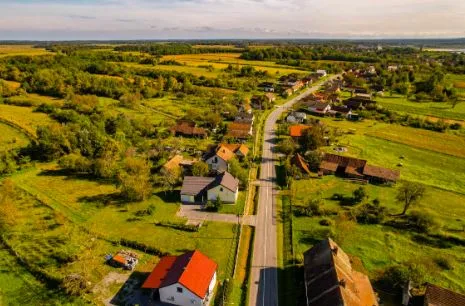
What’s the biggest challenge holding rural communities back today? In many regions, it’s staying connected as storms intensify, infrastructure ages, and budgets struggle to keep pace. When a single washed-out bridge can cut off school routes, emergency access, or local businesses, the need for smarter solutions becomes impossible to ignore.
This article breaks down seven trends transforming rural access in 2026. It offers clear insights on faster construction, climate-ready design, and community-driven improvements that help remote areas stay safe, mobile, and prepared for whatever comes next.
1. Climate Resilient Small Span Bridges
Rural crossings take a heavy hit during storms, and new design approaches are stepping in to reduce closure times. Lightweight materials and modular components allow crews to install structures in days rather than weeks, keeping essential routes open when communities need them most.
Communities are turning to these upgrades for several key reasons:
- Faster installation in remote terrain
- Lower environmental footprint
- Better long-term durability in harsh climates
Many regions are also shifting toward designs that work with natural water flow to improve resilience. A major part of this movement is the rise of low-carbon timber systems, including solutions like YBC timber bridges that provide reliable access without heavy concrete work.
2. Greenways That Boost Ecotourism
Greenways have become multipurpose assets for rural regions because they support recreation, protect ecosystems, and create new income streams. When trails link towns, visitor spending increases, and small businesses benefit from steady foot traffic. These routes also give residents safer options for biking or walking, which builds a stronger sense of community.
Climate concerns have strengthened the appeal of greenways since they can incorporate natural drainage and wetland features. This makes them effective for both recreation and landscape protection, especially in areas dealing with seasonal flooding or erosion.
3. Modular Offsite Construction
Building in rural regions often comes with unpredictable setbacks, including long delivery routes and short construction seasons. Modular offsite construction addresses these challenges using prebuilt components that arrive ready to install, allowing projects to finish faster and with greater accuracy.
These methods are especially valuable for small governments managing limited crews and tight budgets. They also reduce weather-related delays, which improves scheduling confidence and lowers project risk. Rural areas often rely on components such as:
- Prefabricated bridge spans
- Factory-built culvert segments
- Retaining wall modules
Minimizing on-site work and streamlining logistics make modular construction a practical path for regions aiming to modernize essential infrastructure without stretching resources.
4. Blended Public-Private Funding
Remote areas often lack the tax base needed to support major improvements, so blended funding has become an important tool for rural planning. When public grants are combined with private investment, communities can pursue larger projects without sacrificing financial stability. This funding style also helps launch innovative designs that are harder to finance with traditional sources alone.
Municipal leaders increasingly view blended models as a smart way to fill gaps in resilience and climate adaptation budgets. Sharing both cost and expertise allows these partnerships to support road and bridge upgrades that might otherwise remain unfunded.
5. Sensor-Based Asset Monitoring
More agencies are turning to remote sensors to track the health of bridges, culverts, and slopes in real time. Instead of waiting for scheduled inspections, teams receive alerts when movement, vibration, or water levels rise beyond safe limits. This approach improves safety while reducing emergency repair costs.
Continuous monitoring is especially valuable for rural assets far from maintenance hubs. With accurate data, crews can focus on the locations that need immediate attention, which improves long-term planning and protects budgets from unexpected failures.
6. Community-Led Micro Projects
Some of the most effective rural improvements now come from community-led micro projects. Residents and local organizations often identify small but high-impact upgrades long before larger agencies can step in. These projects move quickly because they rely on local knowledge, volunteer networks, and modest budgets.
Areas seeing the most success often focus on targeted fixes like safer trail connections, small drainage upgrades, or simple roadside improvements. These low-cost enhancements strengthen daily mobility and build trust between residents and local planners. Over time, micro-projects build momentum that supports larger infrastructure goals across rural regions.
7. Nature-Based Flood Control
Natural flood control methods are becoming essential as rural regions face stronger storms and heavier rainfall. Restored wetlands, reconnected floodplains, and vegetated buffers slow water flow and reduce damage to nearby roads and bridges. These strategies are affordable and scalable and create habitats that strengthen local ecosystems.
Communities adopting nature-based solutions often find that paired projects deliver better results. A restored riverbank might reduce erosion, improve water quality, and provide a scenic space for residents, thereby boosting the overall value of these efforts.
How Rural Access Can Continue Improving
The future of rural access depends on choosing approaches that are flexible, resilient, and centered on community needs. These trends offer practical ways to strengthen connections, reduce disruptions, and support long-term reliability across remote regions.
Anyone exploring upgrades for a town or organization can use these insights to guide stronger decisions and encourage deeper conversations about infrastructure planning. Sharing thoughts or questions about rural access strategies helps keep the dialogue moving forward.