7 Things to Know About Acupuncture and Cupping Before Your First Session
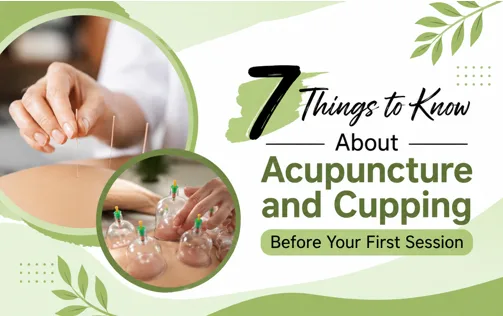
The first appointment is often the part people have the most questions about. If you have never tried acupuncture or cupping, you may be wondering how the session begins, what the treatment feels like, and whether there is anything you need to do beforehand.
Someone looking for an acupuncture Mississauga clinic may also come across cupping or Hijama while comparing different options. Since the two treatments use different techniques, it helps to know what each one involves before making an appointment.
A first visit is usually a chance to talk through your concerns, learn how the treatment works, and decide what approach makes sense for you. A little background knowledge can also make it easier to have a useful conversation with the practitioner.
What to Know Before Your First Acupuncture or Cupping Session
Acupuncture and cupping are different treatments, so knowing what happens during each one can make a first visit easier to understand. This guide covers how the treatments work, what to expect during an appointment, how to prepare, the difference between dry cupping and Hijama, possible sensations after treatment, and what to ask before choosing a practitioner.
1. Acupuncture and Cupping Use Different Techniques
Acupuncture involves the placement of very fine needles at specific points on the body. The points selected can vary from one person to another, depending on the reason for the visit and the practitioner’s assessment.
The needles are much thinner than the ones commonly used for injections. Most people notice a brief prick during insertion, although the sensation can vary. There may be some pressure, tingling or warmth around a treatment point once the needle is in place.
Cupping works through suction rather than needles. Cups are placed against the skin, creating a vacuum that pulls the skin slightly upward. Depending on the technique, the cups may remain in one position or be moved over the treatment area.
Dry cupping leaves the skin intact. Wet cupping, commonly called Hijama, involves small superficial openings in the skin before suction is applied. That difference is worth knowing before an appointment because the procedure and hygiene requirements are different.
Understanding the basic distinction between the two treatments gives you a better starting point when discussing your options with a practitioner.
2. Your First Appointment Usually Starts With a Discussion
Most practitioners will want to learn a little about you before beginning treatment. The conversation may cover the reason for your visit, current concerns, medications, previous treatments, and other health information that could be relevant.
This is also the time to explain what you are hoping to address. Someone dealing with muscle tension may have different priorities from someone interested in discussing stress, sleep, or another wellness concern.
The practitioner can then explain the treatment they are considering and answer questions about the procedure.
If you are researching acupuncture treatment in Mississauga, ask what will happen during the first appointment. You can ask how the treatment points are selected, how long the needles remain in place, and what sensations are considered normal.
Cupping is worth discussing in the same way. Find out whether the practitioner is recommending dry cupping or wet cupping and ask what the session will involve.
A first appointment is also the right time to mention anything that makes you uncertain. If you have never had acupuncture or cupping before, there is nothing unusual about asking the practitioner to explain the process before treatment begins.
3. Your Normal Routine Is Usually Enough Before the Appointment
There is no complicated preparation routine for most acupuncture or cupping appointments. A few practical choices can make the visit more comfortable.
Try not to arrive after skipping meals all day. Having a regular meal or a light snack beforehand is generally more comfortable than coming in extremely hungry. At the same time, eating a very heavy meal immediately before treatment may leave you feeling uncomfortable during the appointment.
Clothing is another simple consideration. Depending on the area being treated, the practitioner may need access to your back, arms, legs or another part of your body. Comfortable clothing that allows the area to be reached without too much difficulty can make things easier.
Your health information matters as well. Tell the practitioner about medications, allergies, pregnancy, recent procedures or medical conditions that may affect treatment. If you are unsure whether something is relevant, mention it during the consultation.
You can otherwise stick to your usual routine unless the practitioner has given you specific instructions. For a first visit, leaving enough time for the consultation is probably more useful than trying to follow a long list of preparation rules.
4. Find Out Whether You Are Having Dry Cupping or Hijama
“Cupping” is a broad term, and it can refer to different techniques. Asking which type you are receiving before the appointment will give you a much clearer picture of what to expect.
With dry cupping, cups are placed on the skin and suction is created without making any cuts. The skin may feel tight or pulled while the cups are in position.
Wet cupping is commonly known as Hijama. Small superficial openings are made in the skin before suction is applied. Because the skin is broken during this procedure, proper handling of equipment and infection-control practices are especially important.
During cupping therapy, the strength of the suction can affect how the treatment feels. Some people notice firm pressure or pulling, while others find the sensation quite manageable.
Cupping can also leave circular marks on the treated areas. They can be more noticeable immediately after the session and may take some time to fade. The appearance varies between individuals.
If you are considering hijama therapy, ask about the procedure and aftercare before the session. Knowing in advance that visible marks may appear can be useful, particularly if you have work, an event, or another occasion coming up.
5. Your Experience May Be Different From Someone Else’s
Ask a group of people about acupuncture, and you will probably hear different answers. One person may say the needles were barely noticeable. Another may remember a brief prick or a tingling sensation around certain points.
Both experiences are possible.
Acupuncture needles are very fine, but the sensation can still vary depending on the treatment point and the individual. Some people become quite relaxed during the session, while others remain more aware of what is happening.
Cupping has a different feel because of the suction. The skin is drawn upward inside the cup, which can create a noticeable pulling or pressure sensation. The intensity depends on the technique and the amount of suction being used.
The skin can also look different after cupping. Circular marks are common, and the treated areas may feel slightly tender for a while. The marks do not look the same on everyone.
There can be differences in how people feel after treatment too. Some feel relaxed or tired, while others return to their normal activities without noticing much change.
For that reason, someone else’s experience is useful for giving you a general idea, but it cannot tell you exactly what your own appointment will be like. If you experience significant discomfort during treatment, tell the practitioner rather than trying to ignore it.
6. Check the Practitioner’s Training and Safety Practices
The person providing the treatment deserves as much attention as the treatment itself. Before booking, look at the practitioner’s qualifications and registration and find out how they handle basic safety and hygiene.
In Ontario, acupuncture is a controlled act within the regulated profession of Traditional Chinese Medicine and acupuncture. The College of Traditional Chinese Medicine Practitioners and Acupuncturists of Ontario regulates the profession and maintains a public register where patients can check a practitioner’s registration.
Needle safety is another straightforward question to ask. Acupuncture needles should be sterile and intended for single use. Used needles should be disposed of safely after treatment.
Wet cupping calls for additional care because the procedure can involve broken skin and blood. Equipment needs to be handled properly, and the treatment area should be maintained according to appropriate infection-control practices.
You can ask about these things without knowing the technical terminology. “Are the acupuncture needles single-use?” or “How is the equipment cleaned between patients?” are perfectly reasonable questions.
The practitioner should also explain the procedure and allow you to ask questions before treatment begins. Clear communication matters, particularly when you are trying a treatment for the first time.
7. The Choice Between Acupuncture, Cupping or Both Depends on the Person
There is more than one reason someone may consider acupuncture or cupping. Some people are interested in acupuncture for concerns such as muscle tension or certain types of pain. Others want to learn more about cupping or Hijama before deciding whether it fits their wellness routine.
The two treatments can also be discussed together. A practitioner may recommend acupuncture, cupping, or a combination depending on the person’s circumstances.
Using both does not automatically make a treatment plan better. The decision comes down to the individual’s concerns, health history, treatment goals, and the practitioner’s assessment.
If you are interested in both treatments, ask how they differ and why one may be recommended for your particular situation. You can also ask whether both are suitable during the same appointment or whether it would make more sense to try one first.
That conversation gives you useful information before you commit to a treatment plan. It also allows you to raise any concerns that you may have about the procedure itself.
What Should You Ask Before Your First Session?
A few questions can give you a good idea of what the appointment will be like.
Ask how the first visit is structured, how much time you should allow, and whether there is anything specific you need to do beforehand. If you are having acupuncture, ask what needle placement involves and what sensations you may notice.
For cupping, ask whether the practitioner uses dry cupping, wet cupping or both. If you are concerned about visible marks, bring that up before treatment.
It is also worth asking about the practitioner’s training, registration and hygiene practices. If you take medication, have allergies, are pregnant or have a health condition that could affect treatment, mention it during the consultation.
These questions do not require any specialist knowledge. They simply help you understand what you are agreeing to before the session begins.
Frequently Asked Questions About Acupuncture and Cupping
Does acupuncture hurt?
Acupuncture needles are very thin, so many people notice only a brief prick during insertion. Pressure, tingling, or other mild sensations can occur during treatment. Significant or sharp discomfort should be reported to the practitioner.
What does cupping feel like?
Cupping creates suction against the skin, which can feel like pulling or pressure in the treated area. The sensation varies with the technique and suction level. Circular marks may remain on the skin afterward.
Is Hijama the same as cupping?
Hijama commonly refers to wet cupping, which involves small superficial skin openings before suction is applied. Dry cupping uses suction without breaking the skin, so the procedures are different.
Should I try acupuncture or cupping first?
That depends on your reason for seeking treatment, health history, and personal preferences. A qualified practitioner can explain how the two approaches differ and discuss which option may be appropriate.
What should I do before my first session?
Have a regular meal or light snack, wear clothing that allows access to the treatment area, and follow your normal hydration routine. Tell the practitioner about relevant health information before treatment starts.
Final Thoughts
A first acupuncture or cupping appointment becomes much easier to approach when you know what questions to ask. Find out how the treatment works, who will be providing it, and what you can expect during and after the session.
If you are considering cupping, ask whether the practitioner is using dry cupping or Hijama and what kind of aftercare is involved. If acupuncture is your main interest, ask about the treatment process, needle safety, and the practitioner’s qualifications.
For people in Mississauga who are considering either treatment, M City Holistic Therapy offers acupuncture and cupping services where patients can discuss their concerns and learn more about the available approaches before deciding what may suit their situation.