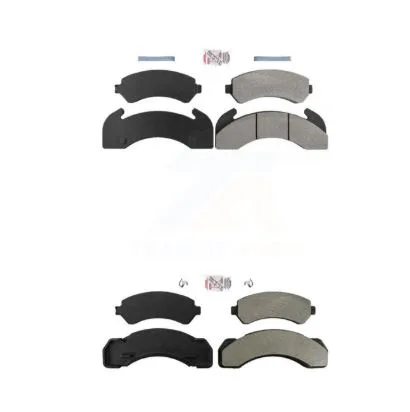
7 Warning Signs of Worn Brake Pads You Shouldn’t Ignore
Every time you slide behind the wheel and pull out onto the road, you trust your vehicle’s braking system with your life and the lives of others. This critical safety system works silently and efficiently through thousands of stops, gradually wearing down with each application until eventually, it demands attention. The question isn’t whether your brake pads will wear out—it’s when, and more importantly, whether you’ll recognize the warning signs before a minor maintenance issue becomes a major safety hazard.
Brake pads are designed as sacrificial components, intentionally wearing down to protect more expensive brake system parts while providing reliable stopping power. However, they can only perform this function effectively when they maintain adequate thickness and material integrity. As brake pads approach the end of their service life, your vehicle begins sending clear signals that replacement is necessary. Some of these warnings are subtle, while others are impossible to ignore.
Understanding these warning signs empowers you to address brake pad wear proactively, preventing dangerous situations, avoiding expensive secondary damage, and ensuring your vehicle stops safely every single time. Let’s explore the seven critical warning signs of worn brake pads that every driver should recognize and never ignore.
1. High-Pitched Squealing or Squeaking Noises
The Warning:
Perhaps the most universally recognized sign of worn brake pads is the distinctive high-pitched squealing or squeaking sound that occurs when you apply the brakes. This piercing noise is impossible to miss and deliberately designed to grab your attention.
Why It Happens:
Modern brake pads incorporate a clever engineering feature called a wear indicator—a small metal tab embedded in the brake pad material at a specific depth. When the pad material wears down to approximately 2-3 millimeters thickness, this metal tab makes contact with the brake rotor, creating that characteristic squealing sound. Think of it as your brake system’s built-in alarm system, announcing that replacement should be scheduled soon.
The physics behind this warning is straightforward: metal-on-metal contact at high frequency creates vibrations that produce audible sound waves. Brake engineers deliberately design these indicators to create an annoying, attention-grabbing noise that drivers cannot ignore or dismiss as normal operation.
Important Distinctions:
Not every squeak indicates worn pads. Brief squealing during the first few stops of the day, especially in humid or wet conditions, can be normal. Moisture accumulation on rotor surfaces overnight can cause temporary squeaking that disappears after a few brake applications. Similarly, certain brake pad materials, particularly semi-metallic formulations, may produce occasional noise without indicating wear.
However, persistent squealing that occurs consistently during braking, regardless of weather conditions or time of day, demands immediate attention. If the noise continues for several days or becomes progressively louder, your brake pads have likely reached the wear indicator threshold.
What You Should Do:
Schedule a brake inspection within the next few days to weeks. While wear indicator noise doesn’t typically represent an immediate emergency, it signals that your brake pads are approaching minimum safe thickness. Continuing to drive for extended periods after hearing this warning accelerates rotor wear and increases the risk of progressing to more severe damage.
2. Grinding or Growling Sounds
The Warning:
If squealing represents a polite request for attention, grinding or growling noises are an urgent demand. This harsh, grating sound indicates a serious problem requiring immediate action.
Why It Happens:
Grinding noises typically mean the brake pad friction material has worn completely away, allowing the metal backing plate to contact the rotor directly. This metal-on-metal contact creates a grinding or growling sound distinctly different from the higher-pitched squeal of wear indicators. Some drivers describe it as a rumbling or dragging sensation accompanied by rough, unpleasant noise.
When brake pads wear to this point, every brake application causes significant damage. The hardened steel backing plate acts like a grinding wheel against the rotor surface, creating deep grooves and removing material at an alarming rate. What might have been a simple brake pad replacement quickly becomes a much more expensive job requiring rotor replacement or extensive resurfacing.
The Serious Risks:
Operating a vehicle with grinding brakes creates multiple dangers. First, stopping power becomes unpredictable and significantly reduced because the smooth friction surfaces that provide consistent braking have been compromised. Second, the rapid rotor damage can lead to complete brake failure if the rotor becomes too thin or develops cracks from the excessive heat generated during metal-on-metal contact.
What You Should Do:
Stop driving and arrange for immediate brake service. Grinding brakes represent a genuine safety emergency that should not wait even a day. The longer you continue operating the vehicle, the more expensive the repair becomes and the greater the risk of brake failure. If you’re already on the road when grinding begins, drive carefully to the nearest repair facility, allowing extra stopping distance and avoiding high speeds.
3. Reduced Braking Performance
The Warning:
Worn brake pads don’t always announce themselves through noise. Sometimes the warning comes through subtle changes in braking behavior—you notice that stops require more effort, longer distances, or more pedal pressure than before.
Why It Happens:
As brake pad friction material wears thin, several factors reduce braking effectiveness. First, the diminished material thickness provides less friction surface area to grip the rotor. Second, worn pads may develop uneven surfaces that make inconsistent contact with rotors, reducing friction coefficient. Third, heavily worn pads generate excessive heat more easily, potentially leading to brake fade where thermal degradation temporarily reduces friction.
These changes often develop gradually over thousands of miles, making them easy to miss. Your brain adapts to the slowly changing pedal feel, unconsciously compensating by pressing harder or braking earlier. However, this gradual degradation still creates dangerous situations, particularly in emergency braking scenarios where maximum stopping power becomes critical.
What You Should Do:
If you notice any changes in braking performance—longer stopping distances, increased pedal effort, or reduced confidence in your vehicle’s ability to stop quickly—schedule a comprehensive brake inspection immediately. Don’t assume you’re imagining things or that it’s normal. Trust your instincts when something feels different about your brakes.
Keep in mind that reduced braking performance can also indicate other brake system issues like contaminated brake fluid, air in brake lines, or failing calipers. Professional inspection identifies the exact cause and ensures proper corrective action.
4. Vibration or Pulsation Through the Brake Pedal
The Warning:
When you apply the brakes, you feel a pulsating sensation through the brake pedal—a rhythmic vibration that corresponds to wheel rotation speed. This symptom might also manifest as steering wheel vibration during braking.
Why It Happens:
While vibration during braking most commonly indicates warped rotors, the root cause often traces back to worn brake pads. Here’s how the connection works: as brake pads wear extremely thin, they lose their ability to dissipate heat effectively. The reduced material thickness acts like a poor insulator, allowing excessive heat transfer to the rotor surface. This thermal stress can cause rotors to warp or develop uneven thickness variations across their surface.
Warped rotors create high and low spots that the brake pads contact inconsistently as the wheel rotates. This uneven contact produces the pulsating sensation you feel through the pedal and steering wheel. Additionally, severely worn pads may develop their own uneven wear patterns that contribute to vibration even before rotors warp.
Vibration during braking can also result from unevenly worn pads caused by sticking caliper slide pins, seized caliper pistons, or other mechanical issues. Regardless of the specific cause, vibration always indicates a problem requiring professional attention.
What You Should Do:
Have your brake system inspected promptly. Vibration during braking not only indicates existing problems but accelerates further damage. The uneven forces generated by warped rotors or unevenly worn pads stress other brake components, potentially leading to caliper problems, suspension issues, and accelerated tire wear.
Addressing vibration early may allow rotor resurfacing rather than replacement, significantly reducing repair costs. Waiting until the problem worsens typically necessitates complete rotor replacement alongside new brake pads.
5. Visual Inspection Reveals Thin Brake Pads
The Warning:
During a routine visual inspection, you notice that your brake pads appear significantly thinner than they should be, with the friction material looking diminished between the caliper and rotor.
Why It Happens:
Brake pads wear gradually and predictably through normal use. Every time you brake, microscopic amounts of friction material transfer to the rotor surface while heat and mechanical forces degrade the pad compound. Over tens of thousands of miles, this incremental wear reduces pad thickness from the original 10-12 millimeters down to the replacement threshold of 3-4 millimeters.
Most modern wheels feature open spoke designs that allow partial visibility of brake components without wheel removal. Looking through these openings, you can observe the brake pad thickness—the lighter-colored friction material sandwiched between the metal backing plate and the rotor surface.
How to Perform a Visual Check:
Park your vehicle on level ground and turn the steering wheel fully to one side to improve visibility. Look through the wheel spokes at the brake assembly. The brake pad should be clearly visible between the caliper bracket and the rotor. Healthy brake pads appear as a substantial layer of friction material, typically at least 6-8 millimeters thick for pads with significant remaining life.
If the friction material appears thin—less than 3-4 millimeters, roughly the thickness of a pencil—replacement should be scheduled soon. If you can barely see any friction material at all, replacement is overdue and should be addressed immediately.
What You Should Do:
If visual inspection reveals thin brake pads, schedule replacement within the next 500-1,000 miles or sooner if you notice any other warning signs. Don’t wait until the pads wear completely through. The final millimeter of brake pad material wears away much faster than earlier material, and the risk of progressing to metal-on-metal contact increases dramatically once pads reach minimum thickness.
Remember to check both front wheels, as wear patterns can differ between sides. Also, front and rear brake pads wear at different rates, so inspect all four wheels during your visual assessment.
6. The Vehicle Pulls to One Side When Braking
The Warning:
When you apply the brakes, your vehicle pulls noticeably to the left or right, requiring steering correction to maintain a straight path.
Why It Happens:
Uneven braking force between the left and right sides of your vehicle causes pulling during braking. While several brake system issues can create this condition, uneven brake pad wear is a common culprit. If one brake pad is significantly more worn than its opposite-side counterpart, the side with more remaining material generates greater friction and braking force, pulling the vehicle in that direction.
This uneven wear often results from mechanical problems like sticking caliper slide pins, seized caliper pistons, or collapsed brake hoses that prevent even pressure distribution. Sometimes, contaminated brake pads on one side—exposure to oil, brake fluid, or other substances that reduce friction—create the imbalance.
Less commonly, pulling can occur if someone previously installed mismatched brake pads, with different friction materials on opposite sides generating different braking characteristics.
The Safety Implications:
A vehicle that pulls during braking is genuinely dangerous, particularly in emergency situations. When you need maximum braking performance, the instinctive reaction is to press the pedal firmly. If your vehicle pulls sharply to one side under hard braking, maintaining control becomes extremely difficult. This loss of control can send you into adjacent traffic lanes, off the road, or into obstacles.
What You Should Do:
Any pulling during braking demands immediate professional inspection. This symptom indicates not just worn brake pads but likely underlying mechanical problems affecting brake system operation. A qualified technician can identify whether uneven pad wear is the primary issue or symptomatic of caliper, hydraulic, or other brake system failures requiring attention.
Never ignore pulling during braking or attempt to compensate by steering opposite the pull. Address the root cause to restore safe, predictable braking behavior.
7. Dashboard Brake Warning Light Illuminates
The Warning:
Your vehicle’s dashboard brake warning light illuminates while driving, sometimes accompanied by a message on the information display about brake system service requirements.
Why It Happens:
Many modern vehicles feature electronic brake pad wear sensors in addition to or instead of mechanical wear indicators. These sensors use either direct contact detection or electronic measurement to determine when brake pads reach minimum thickness. When the monitoring system detects worn pads, it triggers the dashboard warning light to alert you.
Different vehicles use varying technologies for brake wear detection. Some employ simple contact sensors similar to mechanical wear indicators but connected to the vehicle’s electrical system. Others use sophisticated electronic sensors that monitor pad position through magnetic fields or other detection methods, providing more precise wear information.
It’s important to distinguish the brake pad wear warning from other brake-related dashboard lights. The ABS warning light indicates anti-lock braking system issues, not necessarily pad wear. The general brake warning light can indicate low brake fluid, engaged parking brake, or various other brake system problems in addition to worn pads.
What You Should Do:
When your brake warning light illuminates, first ensure your parking brake is fully released—this is the most common cause of brake warning lights and the easiest to resolve. If the parking brake is not engaged and the light remains on, check your brake fluid level. Low fluid can indicate worn brake pads (worn pads allow caliper pistons to extend further, drawing more fluid from the reservoir) or brake system leaks.
If the parking brake is released and fluid level appears normal, or if your vehicle displays a specific brake pad wear message, schedule brake service promptly. Dashboard warnings indicate your pads have reached the manufacturer’s defined replacement threshold. Continuing to drive is possible for a limited distance, but replacement should occur within a few hundred miles at most.
Never ignore illuminated brake warning lights. While they may not always indicate worn pads specifically, they always signal a brake system issue requiring attention. Your vehicle’s safety systems don’t generate false alarms—they activate for genuine reasons requiring investigation.
Taking Action: What Happens Next
Recognizing these seven warning signs represents only the first step. Acting on them appropriately ensures your safety and minimizes repair costs.
Immediate Actions for Serious Warnings:
If you experience grinding noises, severe pulling, complete loss of braking effectiveness, or any situation where you feel unsafe, stop driving immediately and arrange for towing or very careful short-distance driving to the nearest repair facility. Some warning signs indicate genuine emergencies where continued operation risks accidents or catastrophic brake failure.
Scheduling Service for Less Urgent Warnings:
For symptoms like squealing noises, visual observation of thin pads, or dashboard warnings, schedule professional brake inspection and service within days to weeks. While these warnings don’t typically represent immediate emergencies, they indicate that replacement time is approaching and should not be postponed indefinitely.
Choosing Quality Components:
When replacement time arrives, component quality matters enormously. Cheap brake pads may save money initially but often wear faster, generate more noise, and provide inferior performance. Kit.bestparts.ca offers comprehensive brake kits and components engineered to meet or exceed OEM specifications, providing reliable stopping power and extended service life.
Quality brake components from reputable suppliers ensure consistent performance, proper fit, and dependable operation. Your braking system is not the place to cut corners or compromise on quality for modest cost savings.
The Cost of Ignoring Warning Signs
Understanding what happens when you ignore brake pad warning signs reinforces why prompt action is essential.
Rotor Damage: Continuing to drive on worn brake pads inevitably damages rotors. What begins as a $150-300 brake pad replacement becomes a $500-800 job requiring rotor replacement. The metal backing plates of worn-through pads gouge and score rotor surfaces beyond repair.
Caliper Problems: Extremely worn pads force caliper pistons to extend beyond their normal operating range, potentially damaging seals and causing brake fluid leaks. Caliper repairs or replacements add hundreds of dollars to repair costs.
Complete Brake Failure: In worst-case scenarios, severely worn brake pads can lead to complete braking system failure, creating life-threatening situations. No amount of money saved justifies this risk.
Accident Liability: If inadequate brake maintenance contributes to an accident causing injury or property damage, you may face serious legal and financial consequences beyond the immediate physical dangers.
Prevention and Maintenance
While brake pads inevitably wear and require replacement, several practices maximize their lifespan and help you catch problems early:
Regular Inspections: Have your brake system professionally inspected every 10,000-15,000 miles or during regular maintenance services. Early detection allows planned replacement rather than emergency repairs.
Smooth Driving Habits: Anticipatory driving with gradual braking significantly extends brake pad life compared to aggressive habits involving frequent hard stops.
Attention to Changes: Pay attention to how your brakes feel and sound during normal operation. Familiarity with normal behavior helps you quickly recognize when something changes.
Quality Replacements: When replacement time arrives, invest in quality components that provide superior performance and longevity compared to budget alternatives.
Conclusion: Your Safety Depends on Healthy Brake Pads
The seven warning signs we’ve explored—squealing noises, grinding sounds, reduced performance, vibration, visible wear, pulling, and dashboard warnings—provide multiple opportunities to address brake pad wear before it becomes dangerous or expensive. Your vehicle’s braking system is designed with redundant warning mechanisms precisely because brake pad condition is so critical to safe operation.
Never ignore these warning signs or postpone brake maintenance because of convenience or cost concerns. The risks—both to your safety and your wallet—far exceed the expense of timely brake pad replacement. When you recognize any of these symptoms, take prompt action to have your brake system inspected and serviced.
When replacement becomes necessary, explore the quality brake components available at Kit.bestparts.ca to ensure you’re installing reliable, high-performance parts that restore your vehicle’s stopping power and provide the longevity you deserve. Your brakes represent your primary defense against accidents and injury—treat them with the respect and attention they demand, and they’ll keep you safe for tens of thousands of miles to come.
Remember, brake pads are consumable safety components designed to wear out protecting you and more expensive brake system parts. Recognizing the warning signs and replacing them proactively isn’t just good maintenance—it’s an essential responsibility every driver must take seriously.