8 Bathroom Remodeling Ideas to Improve Comfort, Style, and Home Value
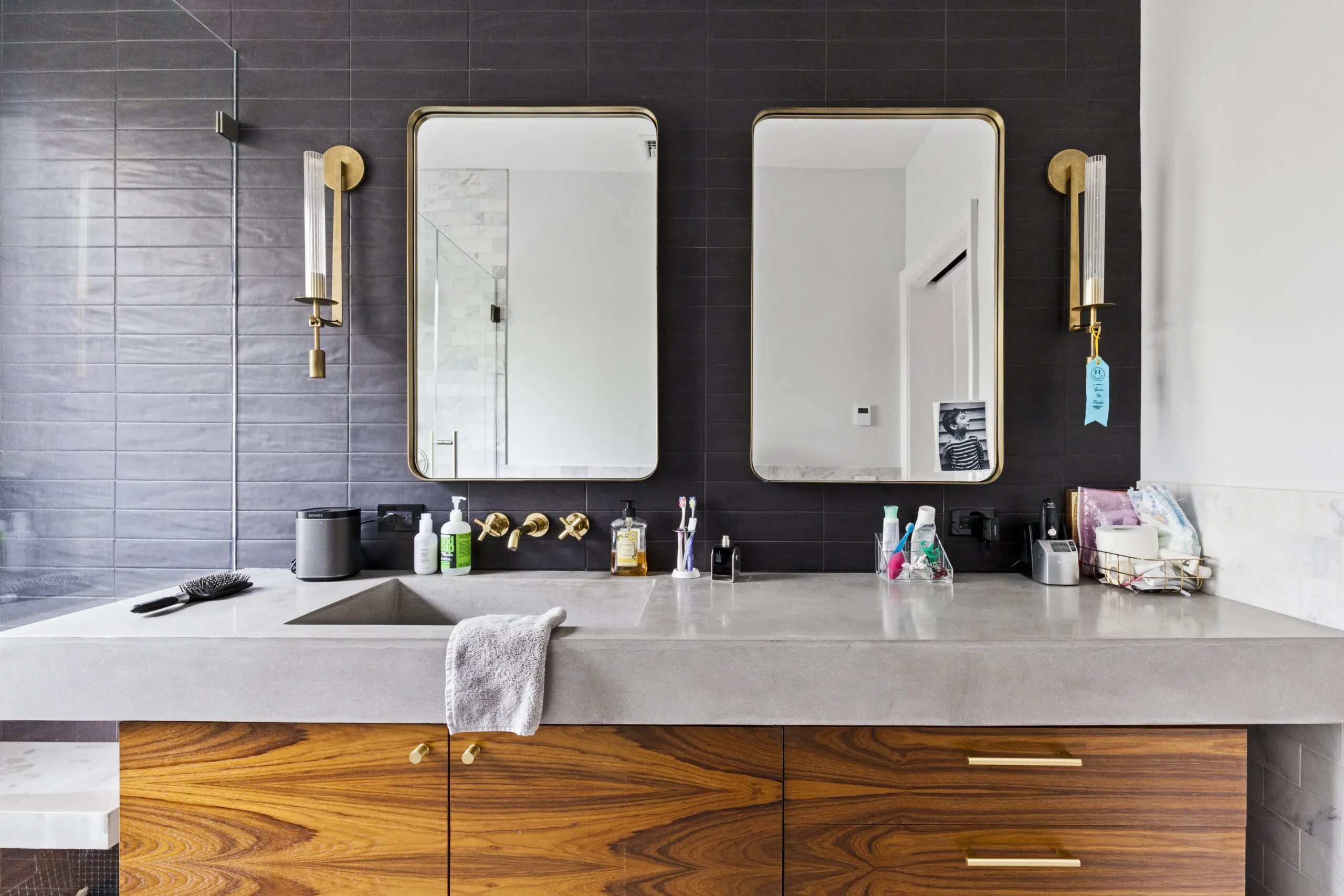
A well-designed bathroom can make everyday routines more comfortable while improving the overall appearance and functionality of your home. Whether you have a small guest bathroom or a spacious primary bathroom, thoughtful upgrades can help you make better use of the available space.
Bathroom remodeling is also an opportunity to address practical issues such as outdated plumbing fixtures, poor ventilation, limited storage, and inefficient lighting. However, getting the best results requires more than choosing attractive tiles and modern accessories. Homeowners should consider their budget, maintenance needs, layout, and long-term plans before beginning a renovation.
If you are considering upgrading your bathroom, here are eight practical ideas to help you plan a successful remodeling project.
1. Upgrade Outdated Bathroom Fixtures
Old faucets, showerheads, toilets, and other fixtures can make a bathroom look dated. Replacing them with modern alternatives can improve both appearance and functionality without requiring a complete renovation.
Consider installing water-efficient faucets and showerheads that provide suitable water pressure while reducing unnecessary consumption. A modern toilet may also offer improved flushing performance and lower water usage, depending on the model.
When selecting new fixtures, compare durability, ease of cleaning, warranty coverage, and compatibility with your existing plumbing. Coordinating finishes across faucets, handles, and shower fittings can also create a more consistent design.
Before replacing multiple fixtures, inspect the existing plumbing to identify leaks, corrosion, or other issues that should be addressed during the renovation.
2. Make Better Use of Limited Bathroom Space
Small bathrooms can feel cramped when the layout does not support everyday activities. Fortunately, thoughtful design choices can make a compact space more practical and visually open.
Wall-mounted vanities can free up floor space, while recessed shelving can provide storage without extending far into the room. Large mirrors may also help reflect light and make a bathroom feel more spacious.
Consider replacing bulky storage units with slim cabinets or shelving that fits the available space. Sliding shower doors may be useful where a traditional swinging door would restrict movement.
During bathroom remodeling, evaluate the placement of the toilet, sink, shower, and storage areas. Even modest layout improvements can make the room easier to use.
3. Choose Durable, Moisture-Resistant Materials
Bathrooms are exposed to humidity, splashes, and frequent cleaning. Choosing appropriate materials is essential for maintaining the appearance and durability of the renovated space.
Porcelain or ceramic tiles are common flooring and wall options because they are available in various styles and can be relatively easy to maintain. However, suitability depends on the product, surface finish, installation, and intended location.
For bathroom flooring, consider slip resistance as well as appearance. Select cabinetry and countertops designed to withstand the moisture levels expected in the room.
Waterproofing is particularly important around showers, bathtubs, and other wet areas. Proper installation and suitable sealing details help protect the underlying structure from water damage.
Consult a qualified remodeling professional if you are unsure which materials or waterproofing systems are appropriate for your bathroom.
4. Improve Lighting for Everyday Comfort
Lighting plays an important role in bathroom design. A room with poor lighting can feel less inviting and make everyday tasks more difficult.
A layered lighting plan can provide better results than relying on a single ceiling fixture. General lighting illuminates the room, while task lighting around the mirror supports activities such as shaving, grooming, and applying makeup.
Where possible, make use of natural light while maintaining privacy. Energy-efficient LED fixtures can provide practical illumination with relatively low electricity consumption.
Because bathrooms contain water and moisture, electrical installations must comply with applicable safety requirements. Use appropriately rated fixtures and have electrical work completed by a qualified professional.
5. Improve Ventilation and Prevent Moisture Problems
Ventilation is one of the most important considerations in bathroom remodeling. Showers and baths release moisture into the air, which can contribute to condensation, peeling paint, and mold growth when ventilation is inadequate.
An appropriately sized exhaust fan can help remove humid air. Ensure it is installed and vented according to applicable building requirements and manufacturer instructions.
Homeowners should also inspect existing plumbing, shower enclosures, grout, and sealant for signs of leaks or deterioration. If moisture damage is already present, identify and correct the underlying cause before installing new finishes.
Improving ventilation and moisture control can help protect your renovation investment and maintain a more comfortable indoor environment.
6. Add Practical Storage Solutions
A cluttered bathroom can feel smaller and become harder to clean. Incorporating suitable storage into your remodeling plan can improve organization and make daily routines more convenient.
Vanities with drawers, mirrored medicine cabinets, recessed shower niches, and built-in shelving can help keep toiletries and cleaning supplies organized.
Think about what you use every day and where those items should be stored. Frequently used products should be accessible, while less frequently needed items can be placed in higher cabinets or separate storage areas.
If multiple people share the bathroom, consider creating designated storage areas to reduce clutter.
Choose storage materials that suit the room’s moisture levels, and ensure that shelving and cabinets are securely installed.
7. Create a Relaxing, Spa-Inspired Bathroom
A bathroom does not need to be large or expensive to feel relaxing. Simple design choices can create a calmer atmosphere while keeping the space functional.
Neutral colors, coordinated fixtures, soft lighting, and uncluttered surfaces can help establish a clean and comfortable appearance. Natural textures and carefully selected accessories can add warmth without overwhelming the room.
If your budget allows, consider upgrades such as a rainfall showerhead, a more spacious shower enclosure, or a comfortable bathtub. Prioritize features you will genuinely use rather than adding expensive extras simply because they are popular.
Before making major changes, consider the plumbing requirements, available space, maintenance needs, and overall project cost.
8. Set a Realistic Bathroom Remodeling Budget
Budget planning is essential for a successful renovation. Costs vary depending on bathroom size, material quality, labor rates, plumbing changes, and the complexity of the design.
A cosmetic refresh involving paint, accessories, and selected fixtures will generally require a different budget from a complete renovation involving new plumbing, electrical work, waterproofing, and layout changes.
Start by separating essential repairs from optional upgrades. Obtain detailed written estimates and confirm which materials, labor, permits, and cleanup services are included.
It is also wise to maintain a contingency fund for unexpected problems, especially when renovating older bathrooms where hidden water damage or outdated plumbing may be discovered.
Avoid choosing a contractor based solely on the lowest quote. Compare relevant experience, insurance, references, proposed materials, and the details of each estimate.
How to Choose the Right Bathroom Remodeling Professional
Even a well-planned design can encounter problems if the installation is not completed correctly. Hiring a qualified professional can help you coordinate the work, manage the budget, and address technical requirements.
Before hiring a bathroom remodeling contractor, ask about similar projects they have completed and request references where possible. Verify applicable licensing and insurance requirements in your area, and confirm who will handle permits and inspections.
Discuss the project’s scope, estimated timeline, payment schedule, materials, and warranty terms before signing an agreement. Make sure any changes to the original plan are documented in writing.
Homeowners researching reliable professionals and renovation options can explore Homeowner Henry for home improvement and contractor-related resources. Whether you are planning a bathroom renovation, upgrading your HVAC system, or considering other property improvements, the home improvement services page provides a useful starting point for exploring relevant service options.
Taking time to compare professionals and understand your options can help you make a more informed decision before work begins.
Final Thoughts
Bathroom remodeling can improve comfort, functionality, and the overall appearance of your home. From upgrading fixtures and improving lighting to adding storage and addressing ventilation, the right improvements can make a noticeable difference in everyday living.
The key is to plan around your actual needs, select durable materials, establish a realistic budget, and work with qualified professionals when specialized skills are required.
Before beginning your renovation, identify the most important improvements, compare estimates, and address underlying problems such as leaks or inadequate ventilation. With careful planning, you can create a bathroom that is practical, attractive, and easier to maintain for years to come.