9 Fixes for Faster Business Payments
Late payments are a constant headache for small businesses. When delays arise, they create massive cash flow bottlenecks and growth often stalls.
But all it might take to eliminate the frustration is refining your billing strategy and adopting more efficient collection habits. The right fixes remove friction points to ensure your revenue arrives on schedule.
1. Define Clear Terms
Vague payment windows lead to assumptions that delay your deposits. State exactly when the money is due, such as “Net 15” or “Due on Receipt.” Clarity removes ambiguity for the client, so you can get paid without unnecessary back-and-forth communication.
2. Set Firm Dates
A specific calendar date is much harder to ignore than a general timeframe. Instead of saying payment is due in two weeks, list the exact date (DDMMYY) on the header. It creates a psychological deadline that encourages the client to process the transaction immediately.
3. Use Standardized Invoices
Standardized layouts help accounts payable teams find the information they need in seconds. And with customizable invoice templates on a platform like Invoice Simple, you don’t have to prepare one from scratch every billing cycle.
It works, efficiency soars on, professional forms offer real speed. Consistent formatting prevents your bill from being sidelined due to missing or confusing details.
4. Itemize Every Line
Breaking down costs prevents clients from questioning the total amount at the last minute. List every service, quantity, and rate clearly so the value provided is obvious and beyond dispute. With this level of detail, chances of a payment being held up for “review” get slimmer.
5. Clarify Tax and Currency
International or multi-state deals often stall because of confusion over local levies. Explicitly state the currency being used and include your tax ID number to satisfy the client’s internal compliance rules. Providing this data upfront prevents the administrative “stop and start” that occurs when accounting departments have to ask for more info.
6. Update Client Data
Sending an invoice to the wrong contact or an outdated email address is a common reason for silence. Verifying the billing contact once a quarter helps ensure your requests are landing in the right inbox.
Research shows that 4 in every 5 global consumers got targeted by scam attempts in 2025 according to recent security data.
It is thus good practice to regularly audit your accounts receivable contact list.
- Confirming the primary billing email
- Verifying the physical mailing address
- Checking for updated department codes
7. Establish Reminder Cadence
A polite nudge a few days before the due date keeps your invoice at the top of the pile. Automating these reminders ensures you never forget to follow up on outstanding balances.
8. Offer Multiple Options
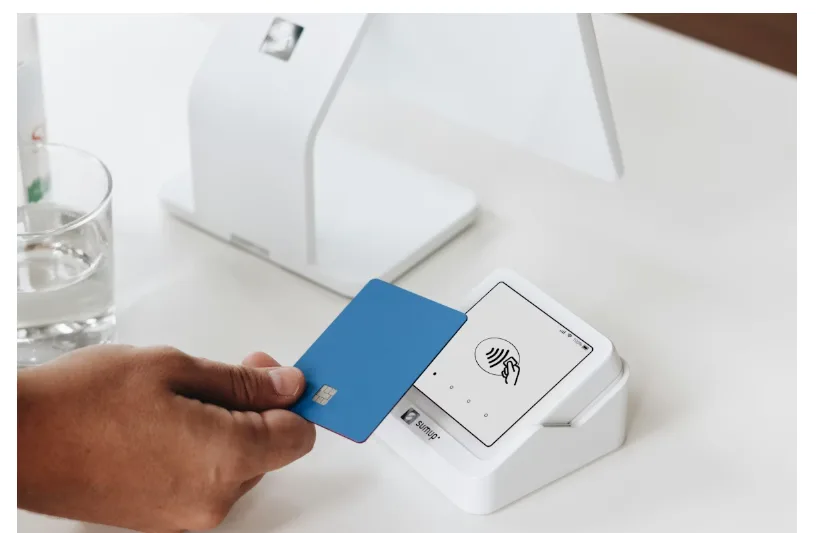
The easier it is to pay, the faster the money arrives in your account. Modern businesses now expect to use various methods, including credit cards, bank transfers, and even Android and crypto payments. Removing friction at the checkout stage is the fastest way to shorten your average payment cycle.
9. Ensure Clean Formatting
Cluttered invoices are difficult to read and often lead to manual entry errors. Stick to a clean design that automatically totals the subtotal, taxes, and final amount due.
Industry reports on six industry trends shaping 2026 suggest that with the shift toward automated systems, invoices must be machine-readable and logically structured. Clean layouts ensure that software can scan your data without errors.
Solidifying Your Cash Flow
Speeding up your receivables is about more than just sending reminders. The right structural changes create a professional environment where clients feel obligated to pay on time. You can find more business and tech-related stories by exploring our finance and technology sections.