The Quiet Rise of Advanced Timber: Why It’s Becoming a Go‑To Material in Modern Building
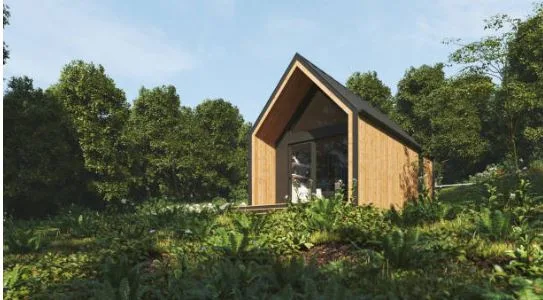
If you’ve been paying attention to new developments, renovations, and even small residential upgrades, you might have noticed something happening quietly in the background. Timber—once seen as a traditional, slightly unpredictable material—is showing up in modern buildings in a way that feels fresh and intentional. Not the old type of timber that swelled in the rain or twisted after a season, but engineered, upgraded versions built for today’s expectations.
Part of this shift comes from a growing desire for natural materials. People are tired of cold, factory-made finishes that age badly or feel sterile. There’s a pull back toward things that have texture, warmth, and a bit of character. Timber fits into that gap nicely, but the real reason for its comeback sits deeper than just aesthetics. The material has changed. The technology behind it has changed. And architects are picking up on that shift.
One of the biggest reasons behind the new interest is ThermoWood. If you haven’t come across it before, it’s essentially softwood that’s gone through a heat-modification process—not chemicals, not coatings, just controlled heat. The wood is taken to temperatures high enough to alter its internal structure. The sugars crystallise, the cell walls tighten, and the timber becomes far less responsive to changing weather. It absorbs less moisture, which means it moves less. Anyone who has ever installed ordinary softwood boards knows how valuable that is.
This stability is one of the main reasons why builders and designers lean toward reliable suppliers offering ThermoWood cladding. When a material behaves predictably, the design stays intact. Lines stay straight. Corners stay clean. And the façade doesn’t suddenly shift its appearance after the first heavy winter. It’s a small technical improvement that leads to a big practical change.
But performance isn’t the only part of the story. Building regulations—especially in urban and shared environments—have changed dramatically. Safety has become sharper, more defined, and far less forgiving. Traditional timber, for all its natural beauty, didn’t meet the standards needed for many modern projects. So for a long time, architects avoided it. Not because they didn’t want to use it, but because using it created more problems than it solved.
That’s where advanced fire treatments enter the picture. Modern fire-rated timber is not what it used to be. Instead of surface-only coatings, which washed away or degraded, new treatments penetrate deeply into the fibres and fundamentally change how the timber reacts when exposed to flame. The focus isn’t on pretending the material won’t burn—it’s on ensuring it burns slowly and predictably. And that predictability is what meets regulatory standards.
This is why certified solutions like fire rated cladding have started appearing in all sorts of environments where timber once felt unrealistic. Schools, small commercial buildings, boundary-facing garden rooms, apartment façades—places where natural materials used to be considered “too risky.”
The environmental angle is another piece of the puzzle. Sustainability is no longer a nice-to-have feature; it’s something planners and developers are actively measured against. Timber naturally carries an advantage: it stores carbon instead of producing it. When sourced responsibly, it becomes one of the few materials that can reduce overall environmental impact, not increase it. The longevity improvements from thermal treatment and fire protection only strengthen this advantage, because a longer-lasting timber façade means fewer replacements, fewer production cycles, and fewer emissions.
There’s also something else happening, something a little harder to quantify but easy to recognise if you walk through a neighbourhood filled with newer buildings. People respond differently to timber. A street lined entirely with metal, glass, and composite panels feels one way. Add natural cladding—even in small amounts—and the environment softens. There’s a comfort to it. It feels more human, less rigid. Buildings that incorporate timber often age more gracefully, too. Instead of fading unevenly or feeling outdated, they settle into their surroundings.
A lot of developers have begun choosing timber not just for technical or environmental reasons, but because people like living around it. That matters more than it sounds. A building that feels pleasant to walk past or live inside often experiences higher tenant satisfaction, better long-term value, and fewer complaints over time.
If you look at broader trends, timber’s comeback isn’t driven by a single breakthrough but by a combination of factors working together. Aesthetic demand, technical reliability, regulatory compliance, and environmental pressure all push in the same direction. ThermoWood’s stability solves the performance issues. Fire-rated options solve the safety concerns. And a growing cultural shift toward natural, calming materials supports everything else.
It’s unlikely the material will replace metal or concrete. That’s not the goal. But it does seem ready to sit beside them confidently, no longer the fragile option but a modern one. In some ways, it feels like the construction industry is rediscovering something it always liked—only now it’s improved, refined, and finally aligned with modern expectations.
The interesting thing is that this shift doesn’t rely on flashy marketing or trend cycles. It’s happening quietly, steadily. One project at a time. One architect’s decision at a time. And if the current momentum continues, timber won’t just be a warm, natural touch—it’ll be a standard part of how we build in the years ahead.