Why Portable Solar Generators Are Perfect for Off-Grid Living
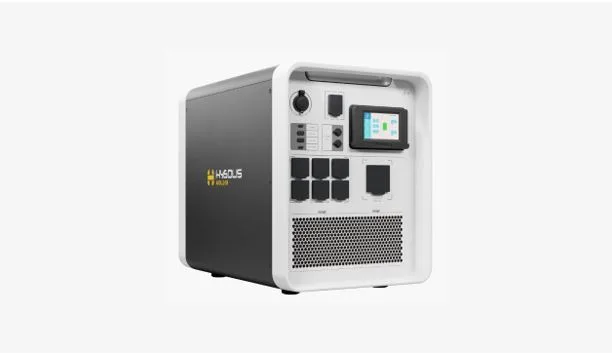
Living without reliance on the traditional power grid sounds like a dream to many people. Whether you’re planning weekend camping trips, preparing for emergencies, or considering a full off-grid lifestyle, having reliable electricity is no longer optional. That’s where portable off-grid solar power generators come into play, offering a practical solution that combines freedom with sustainability.
What Makes These Generators Different
Traditional gas generators have been around forever. They’re loud, smell terrible, and require constant refueling. Solar generators work completely differently. They capture energy from the sun, store it in batteries, and let you use that power whenever you need it. No fumes, no noise, and no trips to the gas station.
The beauty of these systems is their simplicity. You set up solar panels in a sunny spot, they charge the battery pack, and you’re ready to go. Some units come with everything built into one box, while others let you add more panels as your power needs grow.
Real-World Uses That Actually Matter
People use portable off-grid solar power generators for all sorts of reasons. Campers and RV enthusiasts love them because they can run lights, charge phones, power laptops, and even keep a small fridge going without disturbing the peace of nature. There’s something special about being in the wilderness while still having your essential electronics working.
Construction workers on remote job sites find them incredibly useful too. Instead of dragging heavy gas generators around or running long extension cords, they can set up solar power and have a clean, quiet energy source right where they need it. The same goes for photographers and videographers working in outdoor locations.
Emergency preparedness is another huge reason people invest in these systems. When hurricanes, ice storms, or other disasters knock out power for days, having a solar generator means you can keep medicines refrigerated, charge communication devices, and maintain some sense of normalcy. Unlike gas generators that run out of fuel, solar generators keep working as long as the sun comes up.
Understanding Power Capacity
One thing that confuses people is figuring out how much power they actually need. Generator capacity gets measured in watt-hours, which tells you how much energy the battery can store. A 500-watt-hour unit might run a laptop for about 8 hours or charge a phone 40 times. A 2000-watt-hour system could power a small refrigerator for a full day.
Think about what you want to run. Phone chargers use very little power. Laptops need more. Small refrigerators, power tools, and heating devices require quite a bit. Most portable off-grid solar power generators list which devices they can power and for how long, which helps you choose the right size.
The solar panels themselves come in different sizes too. A 100-watt panel might take all day to fully charge a medium-sized generator, while 300 watts of panels could do it in a few hours of good sunlight. Some people start with one or two panels and add more later as they understand their needs better.
Weather and Location Considerations
Solar power works best in direct sunlight, which seems obvious but affects how you use these generators. Cloudy days still generate some power, just less than sunny ones. Winter months with shorter days mean less charging time. If you live somewhere with long, dark winters, you’ll need bigger batteries or more panels to compensate.
Location matters too. Desert areas get intense sun but also extreme heat, which can affect battery life. Coastal regions might deal with salt air. Mountain locations offer great sun but cold temperatures. Good portable off-grid solar power generators can handle various conditions, but it’s smart to understand your environment.
Some units let you charge from your car or a wall outlet in addition to solar panels. This flexibility means you’re not completely dependent on sunshine, which gives you backup options when weather doesn’t cooperate.
Maintenance and Longevity
Solar generators need surprisingly little maintenance compared to gas models. There’s no oil to change, no air filters to replace, and no spark plugs to worry about. You basically need to keep the solar panels clean and store everything properly when not in use.
Battery life is the main concern. Most modern solar generators use lithium batteries that last for hundreds or thousands of charge cycles. That typically translates to several years of regular use before you notice significant capacity loss. Some manufacturers offer replaceable batteries, which extends the life of your whole system.
Solar panels themselves can last 25 years or more with proper care. They’re pretty tough and can handle rain, snow, and reasonable impacts. The main enemy is actually dirt and dust, which blocks sunlight and reduces efficiency. A quick wipe-down every now and then keeps them working at peak performance.
Cost Versus Value
These systems aren’t cheap. Quality portable off-grid solar power generators range from a few hundred dollars for small units up to several thousand for powerful systems. That seems like a lot until you compare it to the alternatives.
Gas generators need fuel, which adds up over time. They also require regular maintenance and eventually break down. Solar systems have higher upfront costs but lower lifetime expenses. If you use your generator regularly, the savings on fuel alone can justify the investment within a few years.
There’s also value in reliability and convenience. Not worrying about storing gasoline or dealing with starting problems makes life simpler. The peace and quiet they provide is worth something too, especially if you’re trying to enjoy nature or avoid bothering neighbors.
Making the Right Choice
Choosing your first solar generator doesn’t have to be complicated. Start by listing what you want to power and for how long. Check the specifications carefully to make sure the unit can handle your needs. Read reviews from people who actually use them in situations similar to yours.
Consider expandability too. Some systems let you add more batteries or panels later, which means you can start smaller and grow as needed. This approach spreads out the cost and lets you learn what works before making bigger investments.
The shift toward clean, renewable energy isn’t just about saving the planet anymore. It’s about practical solutions that make our lives easier and more independent. Solar generators deliver on that promise in ways that make sense for everyday people facing everyday challenges.