Understanding AI Content Detection Methods and Limitations
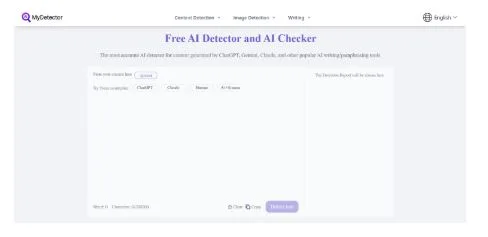
As artificial intelligence becomes part of everyday writing from academic papers to marketing copy content authenticity has become a real concern. Writers, editors, educators, and businesses all want to know where content comes from and how reliable it is. This is where AI content detection enters the conversation. Understanding how detection works, where it succeeds, and where it falls short can help users make smarter decisions about content quality and originality.
What Is AI Content Detection?
AI content detection refers to techniques used to analyze text, images, or even code to estimate whether they were generated by artificial intelligence or written by a human. These systems don’t “read minds.” Instead, they examine patterns such as sentence structure, predictability, repetition, and stylistic consistency.
Detection tools are commonly used in education to assess academic integrity, in publishing to maintain editorial standards, and in enterprises to ensure clear and original communication. Rather than acting as a final judge, they are best understood as analytical aids that support responsible content evaluation.
How AI Detection Tools Analyze Content
Modern detection systems rely on statistical and linguistic signals. Older AI-generated text often showed overly predictable phrasing or unnatural transitions, making detection easier. Newer models, however, produce more varied and fluent language, forcing detection tools to evolve.
Most platforms analyze multiple factors at once, including:
- Sentence length variation and rhythm
- Word choice diversity
- Semantic coherence
- Probability patterns compared to known AI outputs
Some advanced platforms, such as MyDetector, extend this analysis beyond text to include images and code. This multi-dimensional approach helps create a clearer picture of content origin rather than relying on one isolated signal.
The Role of Context in Detection Accuracy
One of the biggest challenges in AI detection is context. Technical writing, legal documents, and instructional content naturally follow structured and predictable patterns—even when written by humans. Creative storytelling, on the other hand, may share stylistic traits with AI-generated text.
Because of this overlap, detection tools must interpret results carefully. A high “AI likelihood” score doesn’t always mean misuse. It may simply reflect a clear, formal, or highly optimized writing style. Understanding context helps prevent false assumptions and encourages fair evaluation.
Limitations of AI Content Detection
No detection system is perfect. AI models evolve quickly, often faster than detection algorithms can adapt. This creates several limitations users should be aware of:
- False positives: Human-written content may be flagged due to structured or polished language.
- False negatives: Advanced AI outputs may appear human-like and bypass detection signals.
- Language sensitivity: Non-native English writing styles can influence results unfairly.
Because of these limitations, detection tools should never replace human judgment. Instead, they offer guidance that works best when combined with review, editing, and subject expertise.
Why Humanization Matters in Content Creation
As AI writing tools are increasingly used for drafting, revision, and idea generation, the concept of humanization has gained attention. Humanization focuses on refining clarity, tone, and natural flow so content feels authentic, personal, and engaging.
This is where an AI text humanizer becomes useful, not to hide intent, but to improve readability and originality. When used responsibly, humanization suggestions can help writers add nuance, vary sentence structure, and express ideas in their own voice. The goal is better communication, not deception.
Balancing Detection and Content Quality
The most effective approach is not choosing sides between AI and human writing, but balancing both. Detection tools support transparency, while human review ensures accuracy, relevance, and emotional clarity.
Platforms that combine detection, plagiarism checks, and grammar analysis allow users to evaluate content quality from multiple angles at once. This holistic method ensures originality, maintains integrity, and supports ethical content creation across academic, creative, and professional settings.
Best Practices for Using Detection Tools Responsibly
To get the most value from AI detection platforms, consider these practical tips:
- Use results as indicators, not final verdicts
- Review flagged content manually for context and intent
- Focus on improving clarity and originality rather than chasing perfect scores
- Combine detection insights with good writing and editing habits
By following these principles, users can avoid over-reliance on automated scores and instead build trust through thoughtful content development.
The Future of AI Content Detection
AI content will continue to improve, and so will detection methods. Future systems are likely to focus more on transparency, provenance tracking, and quality signals rather than simple AI-versus-human labels. The emphasis will shift from catching misuse to supporting ethical, high-quality communication.
Understanding how detection works, and where it doesn’t help writers, educators, and businesses stay ahead of the curve. With balanced tools and informed judgment, it’s possible to embrace innovation while preserving originality and trust in digital content.