Navigating Gaming Marketplaces in 2025
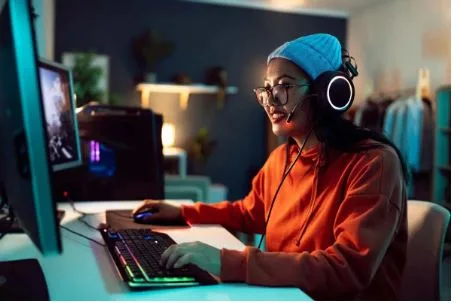
In the ever-evolving world of video games, gaming marketplaces have become essential hubs for players seeking to buy, sell, and trade digital assets. These platforms connect gamers globally, offering everything from in-game items to accounts and virtual currencies. As technology advances, these marketplaces are integrating blockchain and AI to enhance security and user experience. With the rise of esports and mobile gaming, the demand for reliable trading spaces has skyrocketed. This article explores the landscape of gaming marketplaces, highlighting their features, benefits, and future potential. Whether you’re a casual player or a pro, understanding these platforms can elevate your gaming journey.
Gaming marketplaces serve as digital bazaars where enthusiasts can exchange goods without leaving their homes. They democratize access to rare items that might otherwise be locked behind paywalls or grind-heavy gameplay. From skins in battle royales to weapons in MMORPGs, the variety is endless. However, navigating this space requires knowledge of reputable sites to avoid scams. As we delve deeper, we’ll uncover how these marketplaces operate and why they’re pivotal in modern gaming culture.
What Defines a Gaming Marketplace?
A gaming marketplace is essentially an online platform dedicated to the exchange of game-related assets. Unlike general e-commerce sites, these are tailored specifically for gamers, featuring categories like virtual items, boosting services, and account trading. Security measures such as two-factor authentication and escrow services are common to protect transactions. Users can list items for sale, bid on auctions, or make direct purchases, fostering a vibrant community economy.
These platforms often integrate with popular games, allowing seamless transfers of assets. For instance, marketplaces might support titles from major developers like Ubisoft or Epic Games. The key appeal lies in their specialization, which ensures that listings are relevant and transactions are swift. However, not all marketplaces are created equal; some focus on specific genres, while others offer broad coverage. Understanding the core elements—user interface, payment options, and community feedback—helps in selecting the right one for your needs.
Benefits of Trading in Gaming Marketplaces
One major advantage of gaming marketplaces is the opportunity to monetize your gaming efforts. Players who invest time in grinding for rare items can sell them for real money, turning hobbies into side hustles. This economic aspect appeals to both casual and competitive gamers, providing a way to fund new purchases or upgrades. Additionally, these platforms often offer lower fees compared to in-game stores, making trades more cost-effective.
Beyond finances, gaming marketplaces build communities. Forums and chat features allow users to discuss strategies, share tips, and form alliances. This social element enhances the overall gaming experience, turning solitary play into collaborative adventures. Moreover, access to global inventories means you can find region-exclusive items without travel. Safety features like verified sellers reduce risks, ensuring peace of mind during transactions. Overall, these benefits make marketplaces indispensable for modern gamers looking to expand their horizons.
Popular Features in Modern Gaming Platforms
Today’s gaming marketplaces boast innovative features that set them apart. Real-time pricing tools use algorithms to suggest fair values based on market trends, helping users make informed decisions. Integration with wallets for cryptocurrencies adds flexibility, especially for international trades. Some platforms even offer insurance on high-value items, covering losses from disputes or hacks.
User reviews and ratings systems are crucial, allowing buyers to assess seller reliability before committing. Mobile apps extend accessibility, letting you trade on the go. Advanced search filters—by game, item type, or rarity—streamline the browsing process. These features not only improve usability but also foster trust in the ecosystem. As competition grows, expect more AI-driven personalization, like recommended listings based on your play history.
Spotlight on Specialized Marketplaces
For fans of tactical shooters, specialized marketplaces cater to specific titles, providing tailored experiences. Take Rainbow Six Siege, for example; dedicated sections allow trading of operators, skins, and credits. These niches ensure that enthusiasts find exactly what they need without sifting through unrelated listings. Platforms like Wimpelleine help users learn about the latest trends.
Such specialization reduces clutter and enhances discovery. Users benefit from expert communities where advice on meta strategies is readily available. Security is often heightened in these focused environments, with game-specific verification processes. Whether you’re building your loadout or selling duplicates, these marketplaces make the process efficient and enjoyable.
How to Safely Navigate Gaming Trades
Safety is paramount when engaging in gaming marketplaces. Start by researching the platform’s reputation through user forums and review sites. Look for SSL encryption and clear privacy policies to protect your data. Always use secure payment methods, avoiding direct bank transfers to unknown parties. Enabling multi-factor authentication adds an extra layer of defense against unauthorized access.
When listing or buying, provide detailed descriptions and photos to avoid misunderstandings. Escrow services hold funds until both parties confirm satisfaction, minimizing fraud risks. If a deal seems too good to be true, it probably is—trust your instincts. Reporting suspicious activity helps maintain community integrity. By following these practices, you can enjoy trading without unnecessary worries.
The Role of Blockchain in Gaming Marketplaces
Blockchain technology is revolutionizing gaming marketplaces by introducing true ownership of digital assets. Non-fungible tokens (NFTs) allow players to own unique items that can be traded across platforms securely. This decentralization reduces reliance on central servers, preventing data loss from hacks. Smart contracts automate transactions, ensuring terms are met without intermediaries.
The transparency of blockchain ledgers builds trust, as every trade is verifiable. For gamers, this means assets retain value over time, potentially appreciating like collectibles. However, adoption varies; not all marketplaces support crypto yet. As more integrate it, expect a shift toward play-to-earn models where gaming directly translates to earnings.
Emerging Trends in Gaming Economies
The gaming marketplace scene is buzzing with trends like metaverse integration, where virtual worlds host their own economies. Players can buy land, avatars, or tools within these immersive spaces, blurring lines between games and reality. AI is another game-changer, predicting market fluctuations and automating trades for efficiency.
Sustainability is gaining traction, with platforms promoting eco-friendly practices like carbon-offset transactions. Cross-game compatibility allows assets to move between titles, expanding utility. Mobile-first designs cater to on-the-go gamers, while VR enhancements make browsing more interactive. These trends point to a future where gaming marketplaces are central to digital lifestyles.
Choosing the Right Marketplace for You
Selecting a gaming marketplace depends on your preferences and gaming style. If you play multiple genres, opt for broad platforms with diverse listings. For specific games, niche sites offer deeper inventories. Consider fees—some charge per transaction, others have subscriptions. User base size matters too; larger communities mean faster sales but more competition.
Check for customer support availability, as quick resolutions are vital in disputes. Mobile compatibility ensures flexibility. Reading terms of service avoids surprises. Ultimately, trial and error helps; start small to test waters. A good fit enhances your gaming without added stress.
Case Study: Rainbow Six Siege Trading
Rainbow Six Siege’s vibrant community has spawned dedicated trading scenes. Players trade elite skins, alpha packs, and operator unlocks to customize their experience. Marketplaces focused on R6 Marketplace provide secure environments for these exchanges, with features like instant delivery and buyer protection.
These platforms often include price trackers for seasonal items, helping users time their trades. Community events, like giveaways, boost engagement. For Siege enthusiasts, such marketplaces are invaluable, turning in-game progress into tangible benefits. They exemplify how game-specific trading elevates player satisfaction.
Challenges Facing Gaming Marketplaces
Despite their appeal, gaming marketplaces face hurdles like regulatory scrutiny over virtual currencies. Governments are debating taxation on digital trades, which could impact profitability. Scams remain a threat, with phishing and fake listings common. Platforms must invest in AI detection to combat this.
Interoperability between games is limited, restricting asset mobility. High fees on some sites deter casual users. As the industry matures, addressing these challenges will be key to sustained growth. Educated users play a role by demanding better standards.
Future Outlook for Gaming Trades
Looking ahead, gaming marketplaces will likely incorporate more AR/VR for immersive shopping. AI assistants could negotiate deals or suggest bundles. With Web3, ownership will extend beyond games into real-world applications. Expect tighter integrations with esports, where pros trade gear live.
Global accessibility will improve with multilingual support and localized currencies. Sustainability initiatives might reward green trading. As gaming grows, these platforms will evolve, becoming integral to the entertainment ecosystem. Exciting times await for traders and players alike.
Conclusion: Embrace the Gaming Marketplace Revolution
Gaming marketplaces are transforming how we interact with games, offering endless opportunities for trade and community. From casual swaps to serious investments, they cater to all. By choosing reputable platforms and staying informed, you can maximize benefits while minimizing risks. As technology advances, these spaces will only get more dynamic. Dive in, explore, and elevate your gaming world today.