Before It Gets Worse: HVAC Troubles You Should Address Right Away
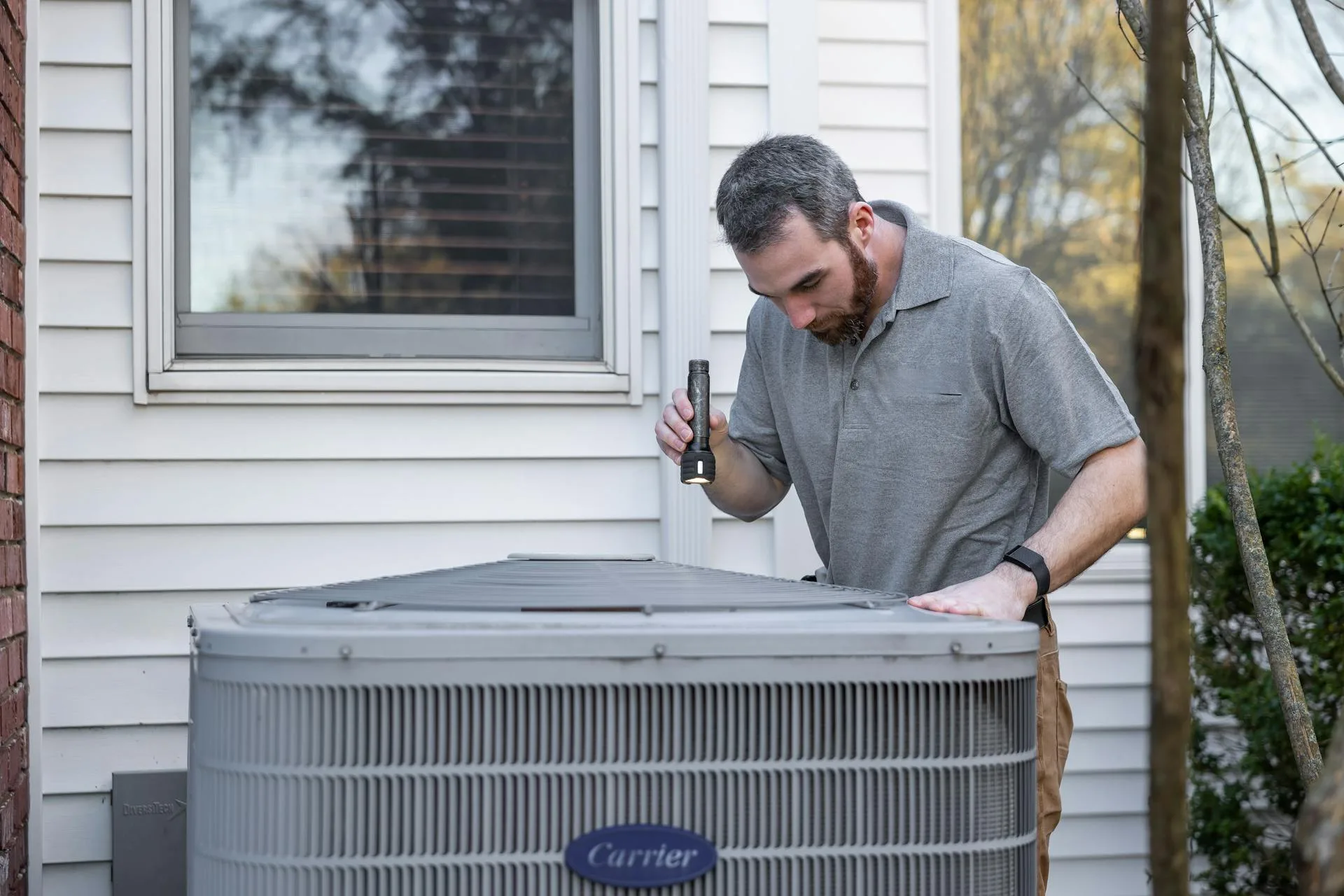
Hot summers and cold, wet winters make indoor comfort essential for every home in cities like Shreveport, LA. A dependable HVAC system helps families get through long heat waves and sudden temperature drops without stress. It also keeps indoor air clean and comfortable. However, constant use throughout the year places a heavy load on the system. Small issues can turn into major problems if they aren’t handled at the right time. Knowing what to look for and when to act helps prevent expensive repairs and unexpected breakdowns.
This article will highlight the most common HVAC troubles that require prompt attention and why dealing with them early protects your home’s comfort and your budget.
Furnace Issues That Need Quick Intervention
A furnace keeps homes warm during cold and damp days in cities like Shreveport, LA, so it must work well when the temperature drops. Problems such as uneven heating, clogged filters, and short cycling show up often when a furnace struggles. Strange smells or loud noises also point to trouble inside the system. These issues can stop the furnace from heating the home properly, and they can create safety concerns if ignored. Dirt buildup and worn parts often cause these symptoms, but only trained technicians can confirm the exact reason. Hiring professionals for furnace repair in Shreveport, LA, helps ensure accurate diagnosis and reliable results. Skilled technicians fix the immediate problem and help prevent future issues, which keeps the furnace ready for the next cold spell.
Weak or Inconsistent Airflow
Airflow problems affect both comfort and efficiency. When some rooms feel warm, and others feel cool, the HVAC system may not push air through the ducts the way it should. Blocked vents, dirty filters, and failing blower motors cause weak airflow. Dust buildup inside the ducts can also restrict movement. When the system works harder to push air, energy use rises, and the equipment wears down faster. Taking care of airflow issues right away helps avoid bigger repairs and restores even comfort throughout the home.
Frequent Thermostat Problems
A thermostat controls every heating and cooling cycle, so it must give accurate readings and respond quickly. When temperatures inside the home never match the setting, the thermostat may have loose wiring, dead batteries, or internal damage. These issues cause discomfort and force the HVAC system to turn on more often than needed. Quick repairs or a simple replacement can fix the problem and help restore balanced temperatures. A working thermostat also helps the system run at its best, which keeps energy costs stable.
Strange Smells Coming From the System
Any unusual smell from the HVAC system needs fast attention. Musty odors often indicate mold in the ducts or on the evaporator coil. A burning smell can come from dust on heating elements or from overheated parts. Sharp chemical odors may relate to refrigerant leaks. Each of these problems affects indoor air quality and can damage the system if ignored. Fixing the source of the smell keeps the home safe and prevents further harm to the equipment.
Loud or Unusual Noises
A smooth-running HVAC system operates with only a soft hum, so new or loud sounds signal trouble. Rattling often means loose screws or panels. Banging noises may indicate a problem with the blower or motor. Whistling can come from air moving through tight spaces or leaks in the ductwork. Grinding noises suggest worn bearings or parts that need quick replacement. When noises start, repairs should begin right away to stop the damage from spreading.
Rising Energy Bills Without a Clear Reason
A sudden increase in energy bills often signals trouble inside the HVAC system. When the system strains to heat or cool the home, it draws more power to keep up. Dirty coils, clogged filters, and worn components make the system work harder during every cycle. Even a minor restriction in airflow can cause a noticeable jump in monthly costs. Homeowners sometimes assume seasonal changes alone cause the spike, but equipment issues remain a frequent cause. Taking action as soon as the bill increases helps prevent further wear on critical parts. It also gives technicians time to fix the issue before it leads to a breakdown. A well-maintained system runs with steady energy use, so any change in that pattern deserves attention.
Poor Indoor Air Quality
Indoor air quality drops when the HVAC system struggles. Dust buildup inside the ducts, humidity swings, and stale air often show up first. Dirty filters allow contaminants to circulate, which can irritate the nose, throat, and lungs. Problems with ventilation can trap moisture inside the home. High humidity encourages mold growth and makes the air feel heavy. When the system fails to move and filter air properly, comfort declines fast. Addressing these issues early keeps the home healthier and reduces strain on the equipment. Simple steps such as replacing filters and cleaning ducts make a noticeable difference, but deeper issues may require a professional inspection. Clean air depends on a system that works as intended every day.
Short Cycling of Heating or Cooling
Short cycling happens when the system turns on and off more often than it should. This constant stopping and starting adds stress to motors, fans, and other components. Incorrect sizing, blocked airflow, and thermostat issues often cause it. When short cycling starts, the home never reaches a steady temperature. The HVAC system works in rapid bursts instead of running long enough to condition the air properly. This pattern leads to higher energy use and early equipment failure. Addressing short cycling quickly protects the system from long-term damage. It also restores a more even and comfortable indoor environment.
Water Leaks or Excess Moisture Around the System
Water near the HVAC system signals a problem that needs attention. Clogged drain lines often push water back into the pan, which can overflow. Frozen coils also create leaks once the ice melts. Damaged components inside the system may cause moisture to collect in the wrong places. Water leaks can lead to mold growth and damage the surrounding area. If moisture reaches electrical parts, it creates a safety risk. Taking care of leaks right away protects both the equipment and the home. Technicians can clear lines, repair damaged parts, and stop the problem before it leads to more expensive issues.
Every HVAC system has limits, and those limits show up sooner when signs of trouble go unchecked. Taking action when issues first appear creates a healthier, more efficient environment and protects the system from early decline. Homeowners who stay alert to changes in performance build a stronger sense of control over their comfort and avoid the stress that comes with unexpected breakdowns. Early intervention sets the foundation for a system that supports the home well through every season.