Why Lightweight Electric Bikes Are Becoming the New Global Trend in Urban Commuting
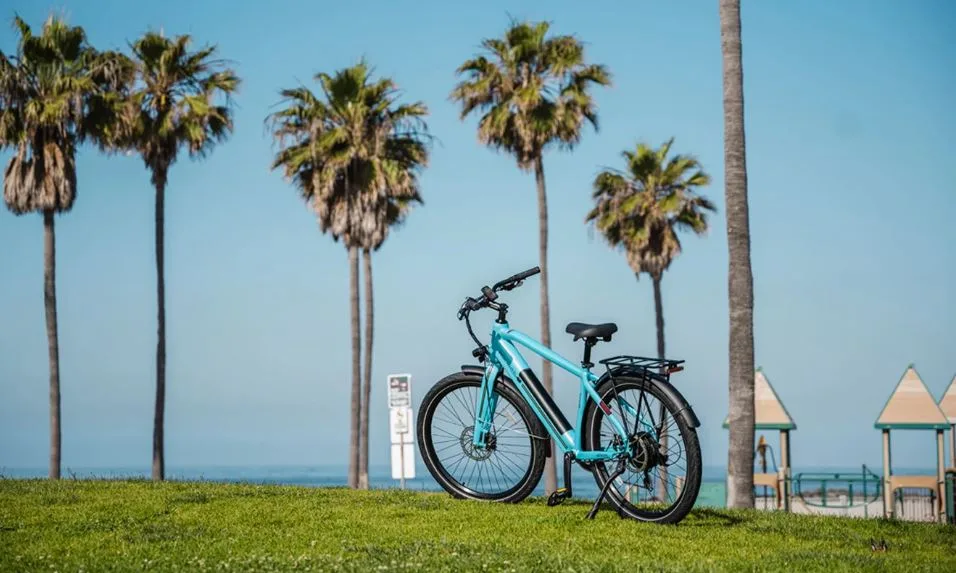
Across major cities worldwide, a quiet yet rapid shift is taking place in the way people commute. Over the past decade, cars, subways, and shared bicycles once dominated urban transportation. But today, a tool that better matches the rhythm of city life is gaining widespread popularity—Electric bikes.
Their rise is not accidental. Lightweight Electric bikes directly address the core challenges modern cities face: traffic congestion, unpredictable commuting times, rising transportation costs, and increasingly limited urban space. In this context, lightweight models—with their reduced weight, high efficiency, and adaptability across various scenarios—are quickly emerging as the new answer to urban mobility.
Lightweight Design: Turning Commuting From a Burden Into Something Effortless
The defining feature of lightweight Electric bikes is, of course, their lightweight build. Unlike traditional electric models that often weigh 20–30 kg, lightweight versions typically come in at just 14–18 kg, with some going as low as 13 kg.
This evolution is driven not only by the use of materials such as aluminum alloy and carbon fiber, but also by compact battery systems, simplified structures, and optimized frame design.
“Lightweight” isn’t simply a spec—it solves real, everyday pain points:
- You can easily carry the bike into an elevator, bring it upstairs, or tuck it into a small office corner.
- You can glide through subway stations or bus platforms without worrying that a heavy vehicle will get in the way.
Lightweight Electric bikes make every movement in the city feel smoother and more natural.
Improving Commuting Efficiency: Faster Than Cars, Less Effort Than Traditional Bicycles
One of the biggest reasons lightweight Electric bikes are winning over commuters is their ability to genuinely improve travel efficiency. In heavy traffic, a compact and agile bike can slip past bottlenecks and weave through city blocks with ease. The lighter body also means quicker starts, smoother acceleration, and more responsive handling compared to heavier electric vehicles.
Their advantages shine especially in scenarios like:
- Rush-hour traffic: Avoid long lines of cars and increase on-time arrival rates.
- Short-distance travel (5–10 km): Faster than hailing a ride, more flexible than public transit.
- Streets and community roads: Effortless maneuvering and safer coexistence with pedestrians.
With a lightweight Electric bike, commuters regain control over their time.
MOKWHEEL — A Leading Brand in the Lightweight Electric Bike Movement
As lightweight commuting grows globally, more brands are exploring how to deliver better performance in a small, lightweight package. Among them, MOKWHEEL has become a standout innovator in the lightweight Electric bike category.
MOKWHEEL focuses on a dual-approach design philosophy: lightweight engineering + practical urban usability. By integrating high-strength aluminum frames, compact battery layouts, and efficient motor systems, MOKWHEEL bikes achieve lower overall weight, reduced energy consumption, and enhanced compatibility with urban terrain.
Its lightweight models excel particularly in acceleration and maneuverability—traits that perfectly match the start-and-stop, high-turnover, traffic-dense environments of modern cities.
Beyond performance, MOKWHEEL prioritizes real user experience with features such as:
- Smart display systems
- Puncture-resistant tires
- More reliable braking mechanisms
Lightweight becomes more than a number—it translates into safety, comfort, and long-term durability. For users seeking a light, efficient, and dependable commuting tool, MOKWHEEL helps transform the daily commute into something easier, more predictable, and more enjoyable.
Lower Energy Consumption & Longer Range: The Hidden Advantage of a Lightweight Body
Weight reduction doesn’t just improve handling—it significantly boosts energy efficiency. With less weight to move, the motor runs more efficiently, allowing the same battery capacity to deliver longer range.
Most lightweight Electric bikes can travel 60–80 km on a single charge, making them ideal for 5–20 km daily commutes.
Lower charging frequency means:
- Reduced energy costs
- Longer battery lifespan
- Less day-to-day hassle
As global transportation emphasizes sustainability, lightweight Electric bikes are aligning perfectly with future urban development trends.
Policy-Friendly and Widely Accepted Across Urban Road Systems
Lightweight Electric bikes are more similar to traditional bicycles in classification. As a result, they enjoy friendlier road rules in many cities and integrate seamlessly with public transit.
They can use bike lanes, access open riding areas, and are unaffected by restrictions placed on heavier vehicles.
For commuters, this freedom of movement delivers enormous value.
Simple, Durable, and Low-Maintenance: Ideal for Busy Urban Lifestyles
Lightweight Electric bikes tend to have simplified structures—such as single-speed systems, belt drives, and integrated battery modules. These features offer:
- Higher reliability
- Fewer failure points
- Easier day-to-day upkeep
Routine maintenance typically includes:
- Basic cleaning
- Brake checks
- Tire pressure adjustments
For busy professionals, this “low-maintenance lifestyle” is a major advantage.
The Real Reason Lightweight Electric Bikes Are Becoming a Global Trend
From commuting efficiency to energy savings, from policy compatibility to lifestyle shifts, lightweight Electric bikes are becoming a powerful force in urban mobility. They represent not just an upgrade in transportation, but a lifestyle that aligns with the pace and needs of modern city dwellers.
Light describes how they look.
Fast describes how they feel.
Freedom describes what they give their riders.
And with brands like MOKWHEEL leading innovation, the transition toward more flexible, eco-friendly, and effortless urban commuting is accelerating.
The rise of lightweight Electric bikes is not a coincidence—
It’s the inevitable direction of future city development.
Frequently Asked Questions
How much do lightweight Electric bikes typically weigh? Can women easily ride or carry them?
Most lightweight Electric bikes weigh 14–18 kg, much lighter than traditional electric vehicles.
Most users—including women and seniors—can easily push, carry, or move them upstairs. This is one of the key reasons they are ideal for city living.
Does being lightweight mean the bike has weaker power?
No. Lightweight Electric bikes use efficient motors and optimized structures. The reduced weight actually decreases motor load, resulting in quicker acceleration and easier riding.
Is the range enough for daily commuting?
Yes. Most lightweight models deliver 60–80 km per charge, sufficient for average daily commutes of 5–20 km. The lower weight also translates to slower battery drain and less frequent charging.
Can lightweight Electric bikes be taken onto subways or buses?
Yes. Their compact size and lighter weight make them more suitable for mixed commuting modes. Many riders combine biking with public transit to significantly reduce travel time and physical effort.
Are lightweight Electric bikes hard to maintain? Do they require frequent shop visits?
Maintenance is minimal thanks to simple structures such as:
- Single-speed or belt-drive systems
- Integrated batteries and streamlined wiring
- Lightweight components that wear less
Most users only need basic at-home checks and rarely require professional servicing.
Why are more people choosing lightweight Electric bikes from brands like MOKWHEEL?
Because they meet real urban commuting needs:
- Lightweight and effortless to handle
- Responsive and suited to stop-and-go city traffic
- Energy-efficient with extended range
- Simple, durable, and low-maintenance
- Modern design and comfortable riding feel
Brands like MOKWHEEL enhance these advantages with added safety, intelligent features, and long-term durability—making them ideal for daily city riders.