How to Build a Data-Driven Digital Marketing Strategy for Small to Mid-Size Brands in 2026
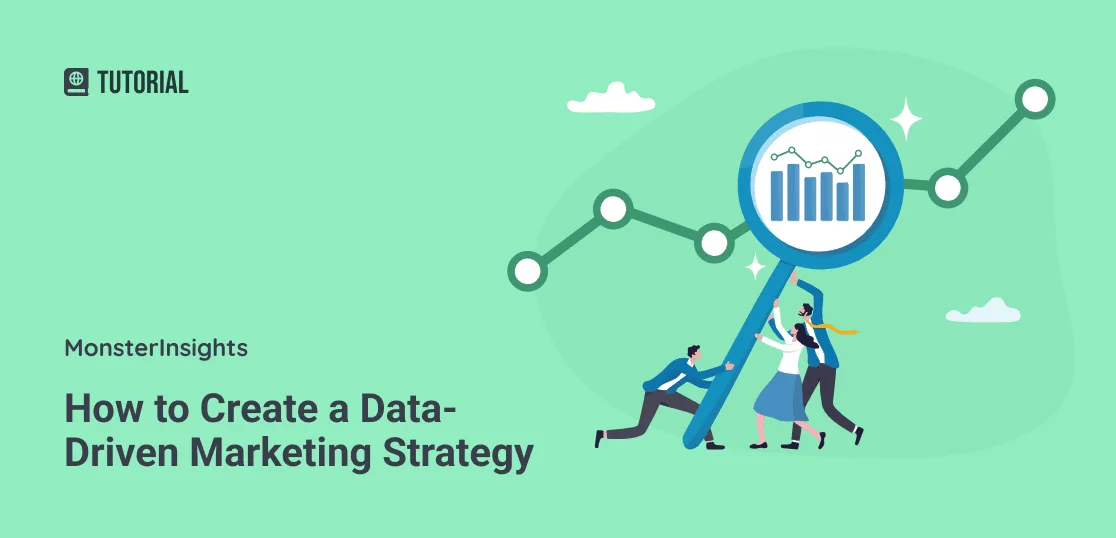
The digital marketing world is rapidly transforming, and by 2026, small to mid-size brands will no longer be able to rely on traditional methods or guesswork. Consumer behavior is shifting, competition is rising across every platform, and privacy regulations are changing how data is collected and used. In this environment, brands that succeed will be the ones that embrace data-driven digital marketing solutions. A data-driven approach allows businesses to base decisions on real insights, ensuring that every action leads toward measurable growth and stronger customer relationships.
Why Data Matters More Than Ever in 2026
Marketing in 2026 is defined by personalization, automation, and predictive technology. Consumers expect brands to understand their needs in real time, and brands can no longer afford to deliver generic experiences. Data helps marketers understand what customers want, how they behave, and what motivates them to make purchasing decisions. It creates clarity in a world where customer preferences change every week. Data-driven digital marketing solutions enable brands to respond quickly, budget smarter, and create strategies that adapt to the constantly evolving digital environment.
Collecting and Organizing Customer Data
Building a successful strategy starts with collecting accurate data from multiple sources. Most brands already have access to valuable information, but it is often scattered across platforms like website analytics, social media dashboards, CRM systems, email tools, and e-commerce reports. To make this data useful, brands must centralize it into a single hub where trends and behaviors become easy to identify. Clean and organized data helps marketers eliminate guesswork and ensures that every marketing decision—from content planning to advertising—comes from a place of clarity rather than assumptions.
Understanding Your Audience Through Data
Once the data is centralized, the next step is understanding what it reveals about the audience. Static personas that remain unchanged for years are no longer effective. Customers behave differently depending on trends, seasons, and economic conditions, so marketers must use real-time behavior patterns to build evolving personas. When brands analyze what their most engaged customers have in common, what types of content they interact with, which platforms they use, and what pain points they express, they begin to understand what truly drives engagement. These insights help shape messaging, visual style, offers, and campaign strategy in ways that match actual customer expectations.
Choosing the Right Data-Driven Digital Marketing Solutions
With a solid understanding of audience behavior, brands can select the tools that will help them execute their strategy more effectively. By 2026, AI-powered content recommendations, predictive analytics, automated email workflows, programmatic advertising, and advanced social listening tools will be essential components of modern marketing. These technologies help brands deliver the right message at the right time without wasting time or resources. For example, predictive analytics can forecast which products will sell during specific seasons, while AI can recognize which content formats appeal most to certain customer segments. These tools ensure that marketing efforts remain aligned with actual customer behavior, not outdated assumptions.
Building Personalized Content Across the Customer Journey
A successful data-driven strategy requires understanding the customer journey from beginning to end. Every stage—from awareness to consideration to purchase and retention—demands different content and messaging. Data reveals what customers are looking for at each stage, whether it is educational content during the early stages or trust-building content such as case studies and testimonials during the consideration phase. When brands use insights to shape the storytelling across the journey, they create an experience that feels relevant and personalized. This approach increases engagement, strengthens trust, and boosts the likelihood of conversion.
Measuring Results and Refining the Strategy
Data-driven marketing does not end when a campaign is launched. Instead, it becomes an ongoing process of measuring performance and making necessary adjustments. Brands in 2026 will rely heavily on real-time dashboards that track metrics such as customer acquisition cost, conversion rates, lifetime value, return on ad spend, engagement depth, and content performance. These metrics reveal what is working and what needs improvement. By continually refining messaging, visuals, targeting, and platform selection, marketers stay ahead of competitors and improve results consistently over time.
Creating a Culture of Testing and Optimization
A true data-driven digital marketing strategy thrives on continuous experimentation. Testing different approaches helps brands uncover hidden opportunities. Whether it is testing two versions of a headline, two landing page layouts, or two types of visual creatives, the insights gained from ongoing experimentation allow brands to optimize every element of their marketing funnel. Over time, these small improvements compound into significant growth. A culture of testing ensures that marketers never rely on guesses but instead rely on real evidence.
Prioritizing Privacy and Ethical Data Use
By 2026, consumer trust will play a bigger role in digital marketing than ever before. Customers want to know how their data is collected, stored, and used. Brands that are transparent about their data practices earn more loyalty and long-term engagement. Implementing privacy-first data strategies, clear consent options, and responsible use of customer information not only ensures compliance with global regulations but also strengthens brand reputation. Ethical data practices are no longer a choice—they are a competitive advantage.
Conclusion
Small and mid-size brands can compete with larger companies in 2026 if they embrace the right strategies. Data-driven digital marketing solutions allow brands to understand their customers at a deeper level, create highly personalized experiences, and optimize performance across every platform. By combining clean data, strategic insights, advanced technology, and continuous refinement, brands can transform their marketing into a predictable and scalable growth engine. The future of marketing belongs to businesses that trust data, adapt quickly, and build meaningful relationships with their audience—one insight at a time.