Bitcoin ATMs and Financial Inclusion: Serving the Unbanked and Underbanked
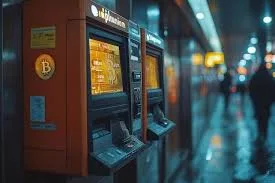
Like a beacon in the financial wilderness, Bitcoin ATMs have emerged as a promising tool to draw the unbanked and underbanked into the fold of financial inclusion.
You’ve probably walked past one without giving it much thought, but these machines do more than meet the eye. They bridge a critical gap, offering banking services to those who’ve been sidelined by traditional financial institutions.
Yet, as you peel back the layers, questions about their efficacy, accessibility, and potential for lasting impact linger.
Stick around to unravel how Bitcoin ATMs could redefine the financial landscape for millions around the globe.
The Unbanked and Underbanked Challenge
Many people around the world still find themselves excluded from traditional banking systems, facing significant barriers to financial inclusion. If you’re living in a rural area or a country with less developed financial infrastructure, the chances are that accessing a bank account, loans, or financial services isn’t just around the corner. It’s not merely about geography; it’s also about the stringent requirements set by banks. You’ve got to have a certain level of income, a clean credit history, and proper identification documents. For millions, these prerequisites are out of reach.
You might wonder why this matters. Well, being unbanked or underbanked means you’re missing out on the foundational tools for economic stability and growth. It’s not just about saving money; it’s about having the ability to receive payments, access credit, and insure against risks. Without these tools, you’re stuck in a financial limbo, making day-to-day transactions more costly and complicated than they need to be.
This challenge isn’t insurmountable, though. Innovative solutions are emerging, aiming to bridge the gap between traditional banking services and those who’ve been left out. These solutions promise a future where financial inclusion isn’t just a privilege but a reality for all.
Understanding Bitcoin ATMs
In the quest for financial inclusion, Bitcoin ATMs offer an innovative solution by providing access to digital currencies without the need for a traditional bank account.
You might wonder what exactly a Bitcoin ATM is. It’s a physical kiosk that allows you to buy or sell Bitcoin and other cryptocurrencies using fiat money. Think of it as the crypto version of a standard ATM, but instead of withdrawing cash, you’re buying digital currency. You’ll find Bitcoin ATMs in various public locations, such as shopping malls, cafes, and airports.
Using a Bitcoin ATM is straightforward. To buy Bitcoin, you simply insert cash into the machine, scan your Bitcoin wallet address, and the equivalent amount of Bitcoin is sent directly to your wallet. Selling Bitcoin works in reverse; you send Bitcoin from your wallet to the ATM and withdraw the equivalent amount in fiat currency.
These ATMs are a boon for those without access to traditional banking services. They require minimal identification, making them accessible to nearly anyone. However, it’s important to be aware of the transaction fees, which can be higher than online exchanges. Despite this, Bitcoin ATMs play a crucial role in democratizing access to cryptocurrencies.
Bridging the Financial Gap
Understanding Bitcoin ATMs lays the groundwork for exploring how they bridge the financial gap for underserved communities. For those living in areas with scarce banking facilities or facing barriers to traditional banking services, these ATMs offer a lifeline. You don’t need a bank account to use a Bitcoin ATM, making it a crucial tool for financial inclusion.
By providing access to digital currencies, Bitcoin ATMs empower you to engage in transactions that were previously out of reach. They’re not just for buying Bitcoin; you can also sell it for local currency. This flexibility supports small businesses and individuals who rely on remittances, allowing them to bypass costly transfer fees and delays associated with traditional banking systems.
Moreover, Bitcoin ATMs serve as entry points into the financial system for the unbanked and underbanked. They offer a straightforward, user-friendly interface that doesn’t require navigating complex banking procedures or paperwork. This ease of access encourages participation in the wider economy, helping bridge the gap between digital financial services and those who need them most.
In essence, Bitcoin ATMs are more than just machines; they’re a gateway to financial empowerment, providing essential services to those left behind by the conventional banking sector.
How Bitcoin ATMs Work
To start using a Bitcoin ATM, you’ll first need to verify your identity through a simple process. This usually involves scanning a government-issued ID or entering a phone number. Once you’re verified, you’re ready to either buy or sell Bitcoin. If you’re buying, you’ll select the purchase option, enter the amount in your local currency, and then scan the QR code of your Bitcoin wallet address. Next, you’ll insert cash into the ATM, wait for the transaction to process, and then receive a confirmation that the Bitcoin has been sent to your wallet.
Selling Bitcoin follows a reverse process. You’ll choose the sell option, send Bitcoin from your wallet to the ATM’s address, and wait for the transaction to confirm. Once confirmed, the ATM dispenses cash equivalent to the value of the Bitcoin sold at the current exchange rate minus transaction fees.
It’s important to note that transaction fees and exchange rates at Bitcoin ATMs can vary, often higher than online exchanges. However, they offer a quick and straightforward way to transact in Bitcoin, especially for those without access to traditional banking services.
Benefits for the Unbanked
Having explored how Bitcoin ATMs operate, let’s now examine how they serve as a financial lifeline for those without traditional bank accounts.
If you’re among the unbanked, these ATMs offer you a unique gateway to the financial world. They allow you to convert cash into Bitcoin and vice versa without needing a bank account. This means you can engage in digital transactions, send money across borders, and access services typically reserved for those with bank accounts. It’s a game-changer, providing you with financial autonomy and the ability to participate in the global economy.
Moreover, Bitcoin ATMs are straightforward to use. You don’t have to navigate the complex requirements that traditional banks often impose, which can be a barrier if you’re unbanked due to documentation issues or lack of access. These ATMs also offer privacy and security, ensuring your financial activities are protected.
In essence, Bitcoin ATMs bridge the gap between the digital currency world and those without access to conventional banking services. They empower you by making financial services more accessible, helping to reduce the financial exclusion that you might face.
Future Prospects and Challenges
While Bitcoin ATMs have opened financial doors for many, they also face significant challenges and uncertainties looking ahead. The regulatory landscape is a major hurdle. Governments worldwide are grappling with how to oversee cryptocurrency transactions to prevent money laundering and fraud without stifling innovation. You’ll likely see tighter regulations, which could impact how easily Bitcoin ATMs can operate and expand.
Another challenge is the volatility of Bitcoin itself. Its price swings can deter users, especially the unbanked and underbanked, who can’t afford to lose value in their transactions. This volatility also makes operating Bitcoin ATMs more complex and risky for providers.
Despite these challenges, there’s a silver lining. Technological advancements and increasing digital literacy are paving the way for more sophisticated and user-friendly Bitcoin ATMs. You’ll witness a trend towards machines that offer multi-currency transactions, including various cryptocurrencies and fiat currencies, enhancing accessibility for users worldwide.
However, the success of Bitcoin ATMs in fostering financial inclusion hinges on balancing regulatory requirements with the need to keep these services accessible and affordable. As you move forward, staying informed and adaptive to these changes will be crucial for anyone invested in the potential of Bitcoin ATMs to transform financial access.
Conclusion
You’ve seen how Bitcoin ATMs can bridge the gap for the unbanked and underbanked, offering a tangible solution to a persistent challenge. They’re not just machines; they’re gateways to financial inclusion, providing access where traditional banking falls short.
With their ease of use and growing availability, the future looks promising. Yet, hurdles remain, from regulatory landscapes to broader acceptance. It’s a journey worth watching as these ATMs could redefine access to financial services for millions worldwide.