Mountain Vacation Planning – How to Get Everything Right
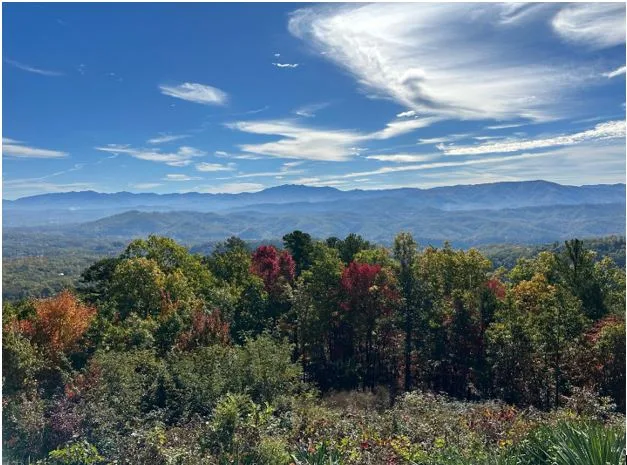
A mountain vacation often starts as a simple idea before the planning even begins. People picture quiet mornings, wide views, crisp air, and plenty of open space to wander. This picture helps set the theme right away because mountain trips tend to follow a calmer pace than city travel. The setting naturally encourages slow starts, steady movement, and time to look around without feeling rushed. Thinking about the trip in this relaxed way gives the plans a strong base and makes the rest of the process feel lighter.
Sevierville fits into this picture once you start shaping the details. The town sits close to the Smoky Mountains, giving visitors an easy path toward scenic drives, forest walks, and clear viewpoints. It has the feel of a place that welcomes both spontaneous plans and structured days. People can shift between peaceful outdoor moments and small-town stops without any pressure.
Picking the Starting Theme
The starting theme helps organize the entire trip and gives you something steady to build around. This theme usually begins with deciding where to stay, since lodging shapes your daily flow. Cabins work well because they fit the mountain setting and offer a quiet space to settle into. They give you breathing room, a practical home base, and a simple way to create a cozy atmosphere during your stay.
Plus, cabins often sit close to places to eat in Sevierville TN, which helps with daily convenience. Timber Tops Cabin Rentals offers comfortable stays with quiet views and roomy layouts that support a calm mountain trip. Cabins sit in convenient spots near Sevierville, giving quick access to food options and local outings. Having nearby options allows you to plan meals without long drives or last-minute changes.
Mapping Out Scenic Routes
Scenic routes shape the visual side of the trip and help you decide how each day might unfold. The routes give you planned moments to pause, look around, and take in the surroundings at a steady pace. Some drives may curve through forested areas, while others open up to wide mountain backdrops.
Two or three planned routes will give plenty of room for exploring without feeling locked into a strict plan. You can choose one in the morning, another in the afternoon, or even save one for a day when you feel like staying out longer. Keeping the choices flexible lets you follow whatever pace feels right as the trip is happening.
Understanding Elevation Needs
Elevation plays a role in how the days feel, especially if you plan to spend time walking or exploring trails. Lower areas stay gentle, while higher points may add a little physical challenge. Thinking about this ahead of time helps you pick the right spots so the trip stays comfortable. It also helps you set expectations about how long you want to be out and how much energy each outing might take.
Some people enjoy reaching higher lookouts, while others prefer staying closer to level paths. There is no right or wrong approach. Matching your stops to your comfort level makes the trip safer, steadier, and more enjoyable.
Planning Activity Variety
A combination of quiet moments and active choices keeps the experience from feeling repetitive. You might choose one longer activity for the morning and follow it with something simple in the afternoon.
Short scenic stops, relaxed viewpoints, small-town strolls, and gentle trails all fit naturally into mountain travel. Each adds its own kind of enjoyment. Using a flexible mix makes the trip feel full without stacking everything into one tight schedule. Activity variety works best when you treat each day as its own small chapter with a few enjoyable highlights instead of long checklists.
Weather Pattern Awareness
Weather changes quickly in the mountains, so staying aware makes the whole trip easier. Light rain may appear for a short time, or the air may cool down after sunset. Checking simple forecasts helps you prepare without feeling stressed about the schedule. It also guides your clothing choices so you stay comfortable throughout the day.
Carrying light layers and keeping backup plans in mind helps the trip stay steady even if the sky shifts. Some activities work well during cooler hours, while others feel nicer during warm stretches. Watching the patterns helps you decide when to head out and when to slow down.
Break Scheduling for the Trip
A pause offers time to breathe, settle in, and enjoy calm surroundings before moving toward the next plan. Planning gentle rest moments ahead of time creates a natural flow that supports the overall experience without crowding the day. A relaxed pause during midday sunlight or later in the afternoon often becomes a highlight on its own.
Many people like to bring a simple book, a warm drink, or a comfortable chair for these planned moments. A quiet overlook or a casual pull-off adds a peaceful touch to the afternoon without much effort.
Trail and Path Selection
Some paths follow smooth ground while others cover rockier sections, so a little time spent choosing routes helps keep outings comfortable from start to finish. A thoughtful selection process creates a good balance between outdoor movement and steady enjoyment. Careful attention to trail maps also helps you plan how long each stop might last.
Many visitors prefer alternating between well-known paths and more tucked-away areas for variety during the trip. A mix like that keeps scenery fresh across several days. Forest edges, clearings, creek crossings, and wider viewpoints each bring a different mood.
Wildlife Awareness Steps
Awareness plays a major role in safe mountain travel. Wildlife shares the environment with visitors, so understanding local habits keeps everyone comfortable and secure. Reading guides or visiting ranger stations helps you learn about common species, preferred feeding areas, and times you may come across animals. A prepared mindset helps avoid trouble during outdoor movement.
People often keep a respectful distance and maintain calm behavior around wildlife. Steady, slow steps and quiet voices help prevent unwanted situations.
Transportation Style Decisions
Choosing how to get around shapes many parts of the journey. Some visitors enjoy driving between scenic highlights while others prefer parking and walking within a concentrated area. Both approaches support a relaxed pace. Each style brings a different way of experiencing the mountain surroundings. A comfortable transportation choice helps set a smooth tone from morning to night.
Most people map out driving routes ahead of time to avoid confusion. Others pick one parking area for the whole afternoon and explore on foot at a gentle pace. Both methods support a peaceful day.
A mountain getaway grows stronger with steady planning, calm pacing, and choices that support a relaxed style of travel. A clear outline helps form each day with comfort and purpose, guiding lodging decisions, scenic routes, outdoor outings, and thoughtful pauses. A gentle approach encourages a sense of openness, allowing each moment to feel grounded and pleasant.