Bee Venom: The Natural Anti-Inflammatory Australians Are Turning To for Psoriasis Relief
Psoriasis affects thousands of Australians and is one of those conditions that can feel relentless. Redness, flaking, itching, and sudden flare-ups often disrupt daily comfort and confidence. While there is no single cure, many people are now exploring scientifically supported natural alternatives to help reduce inflammation and support healthier skin. One standout ingredient that has grown rapidly in popularity is bee venom, driven largely by emerging dermatological research into a peptide called melittin.
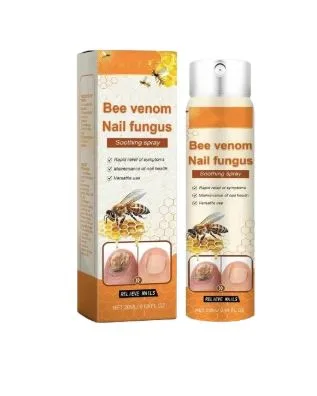
Bee venom has been used for centuries in traditional therapy, but what makes it relevant today is the clinical evidence demonstrating its anti-inflammatory and antimicrobial properties. These benefits have made bee-venom-based creams and sprays a promising option for people seeking to calm psoriasis flare-ups without relying solely on steroid cycles. For many Australians, especially those dealing with chronic symptoms, adding a natural anti-inflammatory can be a meaningful part of their wider routine. Products such as the Bee Venom Nail Spray, offered by Australian Psoriasis & Eczema Supplies, have become increasingly popular for this very reason — they allow targeted relief in areas like cuticles and fingertips where plaque psoriasis can be uniquely stubborn. This is particularly important, because psoriasis near the nails can lead to thickening, pitting, brittleness, and tenderness that affect everyday activities like typing or gripping.
What makes bee venom especially fascinating is that it doesn’t simply mask symptoms; it supports the skin’s own repair processes. Melittin, the venom’s most studied compound, is known to modulate inflammatory pathways by suppressing overactive immune responses — a key driver of psoriatic plaques. When applied topically in controlled, cosmetic-grade formulations, melittin may help reduce swelling, redness, and discomfort while encouraging healthier cellular turnover. For people seeking relief beyond steroid creams, this can provide a valuable sense of balance.
Another benefit is that bee-venom skincare tends to pair well with existing routines, rather than forcing a complete overhaul. Many Australians combine it with moisturisers, gentle cleansers, or even UVB therapies to maximise results. The convenience of using a spray or cream for small areas also prevents wasting product and keeps application safe and precise. When dealing with psoriasis — a condition with unpredictable flare patterns — having a fast-acting, easy-to-use tool on hand can make daily management far more achievable.
Alongside bee venom options, individuals looking for supportive topical relief often explore the broader range of psoriasis creams and treatments specifically designed for sensitive or inflamed skin. These formulations generally focus on reducing irritation, supporting the moisture barrier, and improving comfort during flare-ups. Combining strategies like hydration, gentle exfoliation, and anti-inflammatory ingredients is often what leads to the most consistent improvement. For those starting their exploration into natural adjunct therapies, researching psoriasis treatment products can help them discover which ingredients align best with their personal needs and sensitivities.
Of course, as with any skincare product, results vary from person to person. But the rise of bee venom in Australian psoriasis care shows a growing interest in solutions that go beyond traditional prescriptions. Whether it’s used to calm nail-related flare-ups, reduce redness, or simply support a healthier skin environment, bee venom’s unique properties make it a compelling addition to many routines. With its combination of modern science and natural origins, it’s easy to see why more Australians are giving it a place in their psoriasis-care toolkit.