The Best Professional Sports Equipment to Use in 2025
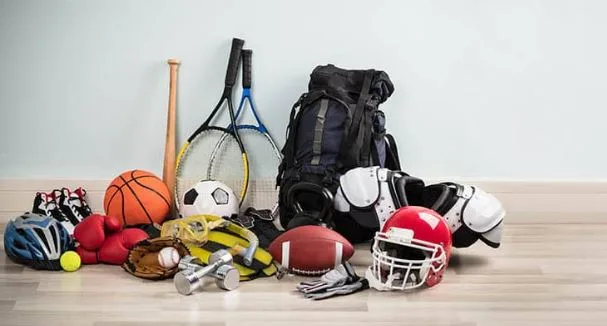
Professional athletes and sports organisations are entering a new era where performance, durability, and innovation matter more than ever. As global competitions grow and training environments become increasingly specialised, choosing the right gear is essential. In 2025, the demand for high quality Equipements sportifs professionnels is stronger than at any point in the past decade. The market has shifted toward advanced materials, smart wearables, and athlete specific customisation, allowing coaches and players to reach higher levels of performance with fewer risks.
Selecting the best equipment is no longer just about buying premium brands. It is about understanding what technology drives real results and what tools genuinely contribute to better training, recovery, and overall safety. Whether you manage a sports academy, train athletes, or simply enjoy staying updated on the latest developments, knowing what defines top tier professional gear in 2025 helps you make informed choices.
Why Choosing the Right Professional Equipment Matters
Athletes depend heavily on their equipment. From stability in footwear to accuracy in performance monitoring, every detail influences results. Modern Equipements sportifs professionnels are designed to support biomechanics, reduce injury risks, and help athletes maintain consistency in both practice and competition.
Several factors explain why professionals are upgrading their gear in 2025:
- Training methods now rely on precise data for personalised improvement plans.
- Competitive intensity has increased across almost every sport.
- Athletes understand the value of recovery and long term health more than ever.
- Clubs and academies aim to offer elite level environments to attract talent.
- New materials provide stronger durability and support at lighter weights.
With these needs in mind, brands are focusing on smarter, safer, and more efficient equipment.
Smart Wearables Leading the Performance Revolution
One of the biggest innovations shaping 2025 is wearable technology. From motion sensors to real time heart rate metrics, smart wearables dominate the category of modern Equipements sportifs professionnels.
Today’s wearables are not just fitness trackers. They offer advanced features such as:
- Monitoring athlete load to prevent overtraining
- Analysing running patterns and muscle activation
- Tracking hydration levels through skin sensors
- Providing instant feedback during training sessions
- Recording game performance metrics to guide strategy
Professional teams across football, basketball, cricket, athletics, and swimming are now using these tools to improve precision in training. Coaches use data dashboards to adjust intensity based on fatigue patterns, while athletes gain a deeper understanding of their strengths and weaknesses.
High Performance Footwear Designed for Injury Prevention
Footwear remains one of the most important categories in professional sports. In 2025, the best shoes combine lightweight materials with biomechanical engineering that supports natural movement. Brands have invested heavily in research to minimise stress on joints, improve energy return, and enhance stability.
Key trends include:
- Carbon plate technology for explosive speed
- Responsive midsoles that adapt to pressure changes
- Reinforced support for lateral movements in court sports
- Grip and traction systems for multiple playing surfaces
- Breathable, eco friendly fabrics that retain comfort
Athletes competing at high levels need footwear tailored to their sport and specific movement patterns. As a result, custom fitting has become an essential service included in many Equipements sportifs professionnels packages, especially for clubs and academies.
Strength and Conditioning Gear for Elite Training
Strength and conditioning continues to evolve, and 2025 brings new tools that help athletes build power more efficiently. Instead of relying solely on traditional weights, training centres now use advanced resistance systems and multifunctional equipment that enhances explosive movement and agility.
Some of the most sought after items include:
- Smart resistance machines with adjustable digital load
- Portable kinetic bands for functional movements
- Weighted vests with balanced weight distribution
- Plyometric boxes made from shock absorbing materials
- Stability platforms for balance and coordination training
Strength gear has become more compact and portable, allowing athletes to train effectively during travel or off season periods. This shift is especially important for sports where adaptability is crucial.
Recovery Tools Becoming a Core Part of Athlete Care
No professional training routine in 2025 is complete without advanced recovery equipment. With rising awareness of overtraining injuries, recovery tools have become part of the daily routine for many athletes.
Popular recovery devices now include:
- Percussion massage guns with adjustable pressure levels
- Compression boots that enhance blood circulation
- Infrared therapy pads that help muscles heal faster
- Cold therapy wraps that reduce inflammation
- Smart foam rollers with vibration technology
What makes these tools important is their accessibility. Even smaller clubs are investing in recovery technology to ensure their athletes maintain peak form without unnecessary downtime. The best Equipements sportifs professionnels always include a proper balance between training and recovery.
Protective Gear Redefined for Safety and Comfort
Safety gear has always been essential, but 2025 introduces a new generation of equipment designed to protect athletes without restricting performance. Using updated materials like impact absorbing foams and lightweight composites, manufacturers are producing protective gear that is both comfortable and secure.
Enhanced protective items include:
- Headgear with multilayer shock absorption
- Shin guards with customised moulding
- Chest protectors designed to minimise heat buildup
- Gloves with improved wrist support and grip structure
- Smart helmets equipped with sensors to detect impact force
Professional leagues are increasingly enforcing strict safety regulations, making high quality protective gear a non negotiable part of all Equipements sportifs professionnels.
Advances in Sport Specific Equipment
Every sport has its own technical requirements, and 2025 sees notable upgrades across different disciplines.
Football
Ball designs now have micro textured surfaces for improved aerodynamics and control. GPS vests help track sprinting bursts, acceleration, and positioning.
Tennis
Rackets use hybrid carbon fibres which enhance swing speed and precision. String tension monitoring devices allow players to adjust their rackets instantly.
Basketball
Shoes focus on ankle support while maintaining lightweight mobility. High grip flooring tiles used in training courts reduce slip incidents.
Cricket
Advanced batting pads and gloves improve shock absorption. Smart stumps record impact data for analytical review.
Athletics
Track spikes come with optimised plate stiffness to maximise speed. Wearable posture sensors help runners maintain efficient form.
Every improvement in sport specific tools reflects the broader trend of precision based Enhancements.
How to Choose the Right Equipment in 2025
With so many advanced products available, choosing the right equipment depends on careful evaluation. Professionals should consider:
- Durability and material quality
- Comfort and sport relevance
- Data tracking features when applicable
- Customisation options for different athletes
- Safety certifications
- Long term value rather than initial cost
Working with suppliers who specialise in Equipements sportifs professionnels ensures that athletes receive gear suited to their performance level and training goals. Clubs, academies, and coaches benefit from trusted partnerships that provide expert guidance and reliable after sales support.
What the Future Holds for Professional Sports Gear
As technology evolves, professional sports equipment will continue to push performance boundaries. Artificial intelligence based analysis, sustainable materials, and enhanced personalisation will drive the next stage of innovation. Athletes will be able to use equipment that adapts automatically to their movement, environment, and physiology.
The future points toward a more connected sports ecosystem where training, monitoring, and recovery function together seamlessly. For anyone involved in competitive sports, staying updated on advancements in Equipements sportifs professionnels will be a key part of maintaining an advantage.
The sports world in 2025 demands more precision, more innovation, and greater attention to athlete wellbeing. With the right equipment, professionals can unlock new potential and perform with confidence at every level.