GoldXTrust: Understanding Gold’s Role in Today’s Economy
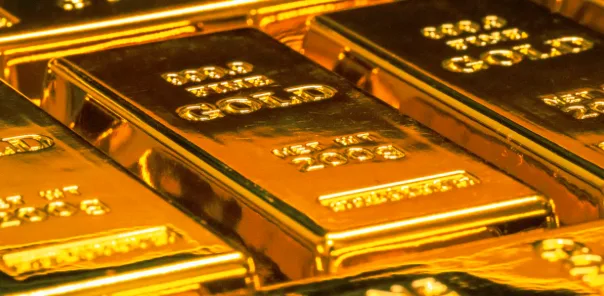
As 2025 unfolds, individuals and organizations are reassessing their resource management approaches amid global economic changes. With ongoing concerns about inflation, economic shifts, and market fluctuations, many are exploring different options to manage their resources. Among these, gold has long been a topic of interest for those considering other ways to navigate economic uncertainty.
Gold in an Uncertain Economy
While traditional financial markets, such as stocks and bonds, can experience significant volatility, gold is often considered a stable asset in uncertain times. However, its value can still fluctuate with various economic factors. However, it is essential to note that gold’s value can still fluctuate, and its performance may vary depending on a range of global economic factors. It is always necessary to consider gold as part of a diversified resource management strategy, alongside other asset types. This has made it a resource of interest for some, but it is important to consider the potential risks and fluctuations in value, especially during unpredictable market conditions.
Gold’s history as a valuable asset spans many cultures and civilizations, and it is often seen as a resource that holds value across different economic systems. This longstanding recognition has contributed to its reputation as reliable across various financial climates.
The Rise of Digital Platforms Offering Gold Insights
With the rise of digital technology, more platforms have emerged to offer resources and educational tools for individuals interested in learning about gold. These platforms provide information on how gold is viewed in the context of financial management, helping people better understand its potential role in the broader economic landscape.
Some platforms, such as GoldXTrust, offer educational resources related to gold as part of various strategies in financial planning. These platforms share resources that help users better understand how gold might fit into their overall resource management. As financial education becomes more accessible, individuals are better equipped to make informed decisions based on their own goals.
Gold’s Role Compared to Other Assets
Gold is often recognized for its steady demand over time. Unlike other assets that may experience fluctuations based on policy decisions or short-term market events, gold’s value can fluctuate based on various economic factors. While it has historically been viewed as a store of value, it is crucial to consider gold alongside other assets and as part of a broader, diversified strategy. Its value is influenced by both long-term trends and short-term market conditions. As a tangible asset, gold’s physical nature also differentiates it from purely digital or paper-based assets. This enduring appeal has led many to view it as a complementary element in long-term resource management strategies.
That said, gold is not the only resource individuals may consider when seeking stability. Other assets, such as government bonds, real estate, or certain commodities, can also play a role in how people manage their resources. Gold’s value can vary, and it is often considered alongside other assets. Each resource, including gold, serves a unique function depending on individual financial goals, and it’s essential to assess its potential within a broader diversified portfolio.
Diversification for a Balanced Approach in 2025
One of the key ideas in financial planning is diversification. The concept of diversification involves using a variety of assets to spread risk. By not relying on a single type of resource, individuals can better manage the impact of unpredictable market changes. While stocks, bonds, and real estate are common choices for many, some may incorporate additional assets, such as gold, as part of a broader strategy.
As we progress through 2025, more people may continue to explore how gold could be used in their overall resource management. Many find value in diversifying their assets to manage risk and support financial stability. Gold may be one option among many that individuals consider, but it’s important to evaluate its role as part of a broader strategy with professional guidance. By incorporating a variety of resources, individuals can better manage risks associated with economic changes. Gold’s role in this context is a complementary addition to other traditional and alternative assets in a well-rounded strategy.
Disclaimer: This article is for general knowledge and informational purposes only and should not be construed as financial advice. Gold and other assets can fluctuate in value and are part of a broader financial landscape. Always consult with a professional financial advisor to evaluate how gold might fit into your personal financial strategy before making any financial decisions.