Why Durable Materials Matter in Commercial Property Maintenance
When you’re responsible for keeping a building running smoothly, every detail matters—especially the quality of the materials used throughout the property. Durable materials determine how well your building holds up under constant use, weather exposure, and the regular flow of people and equipment. If the structure isn’t built to last, maintenance quickly becomes expensive, stressful, and disruptive.
Most commercial buildings face challenges that go beyond what you might deal with in a residential space. Heavy equipment moves in and out, employees use the same paths repeatedly, and exterior surfaces take on harsh conditions throughout the year. When materials are designed to withstand daily wear, they help prevent failures, protect the building, and reduce long-term repair costs.
One of the simplest ways to understand the importance of durability is to think about the parts of a building that are used the most. High-traffic areas, entry points, and protective barriers all take on significant strain. Investing in durable materials in these places helps keep the entire property running more efficiently. It’s a choice that pays off in both day-to-day convenience and long-term cost savings, leading naturally into the first key area where durability matters most.
Durability Starts With High-Traffic Building Features
Whether you’re managing a warehouse, a retail space, or a service center, the parts of your building that get used continually need to be built to withstand constant movement. Entryways, loading areas, and exterior access points experience heavy use. If they’re made with weak or short-lived materials, you’ll spend more time dealing with breakdowns than focusing on your business.
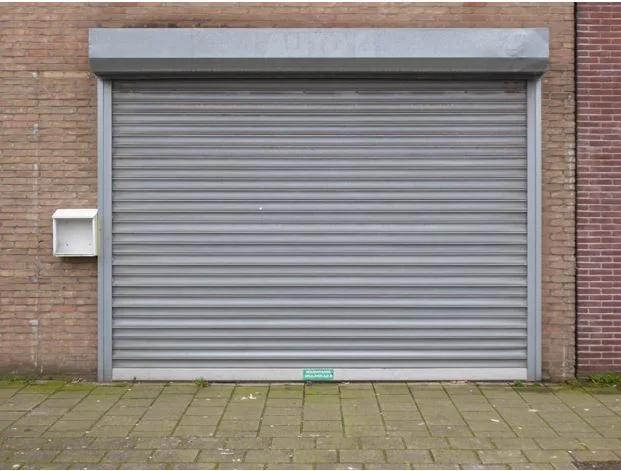
That’s why strong, reliable building components are essential, especially in areas that serve as the first line of defense against weather and frequent activity. Entry systems, in particular, play a major role in how efficiently a commercial property operates. For example, choosing sturdy entrance solutions, such as installing durable commercial roller doors, helps you protect your building from repeated use, extreme temperatures, and outdoor elements while reducing the risk of interruptions. These systems are built to handle everyday demands and can help you keep operations moving without unexpected breakdowns or delays.
When you rely on high-quality materials in busy areas, you give your building the support it needs to function without constant repairs. These investments strengthen the overall structure, reduce downtime, and create a safer environment for everyone who uses the space.
Reducing Long-Term Maintenance Costs
Durable materials do more than prevent immediate damage—they also help save money in the long run. When your building’s components are designed to last, you avoid the cycle of constant repairs and replacements. This makes your maintenance strategy more predictable and less stressful. You’re not caught off guard by sudden failures, and you don’t need to budget for emergency fixes every few months.
In contrast, cheaper materials often seem like a cost-saving option but end up costing you more over time. When parts break down frequently or wear out quickly, repairs become routine. You might also experience operational disruptions that slow productivity or interfere with customer service. Durable materials reduce these risks by performing reliably and consistently under heavy use.
When you rely on strong materials, your building remains functional longer, and maintenance becomes more about prevention than reaction. This saves both time and money, allowing you to put more energy into your business rather than constant upkeep.
Improving Safety for Employees and Visitors
Safety is one of the most important aspects of commercial property maintenance. When materials fail, the risk of injuries increases. Cracked surfaces, damaged entry systems, and worn structural components can create hazards that lead to liability issues and unsafe conditions for employees and visitors.
Durable materials help prevent many of these problems by offering stability and strength. Strong entry systems reduce the risk of malfunction. Well-built flooring protects against slips or uneven surfaces. Sturdy exterior components stand up to weather and wear, protecting the building and the people inside.
When your property is built with durability in mind, you create a safer environment that supports the well-being of anyone who enters the space. Safety concerns often decrease when maintenance needs are reduced, making your business more reliable overall.
Protecting Equipment, Inventory, and Everyday Operations
Commercial buildings often house valuable equipment, large inventories, or sensitive materials. Without durable structural features, these assets are exposed to unnecessary risks. Weather damage, break-ins, and wear-related failures can disrupt daily activities and put your property at risk.
Durable materials offer better protection. Strong exterior components help prevent leaks, drafts, and structural damage. High-quality entry systems secure the building from unwanted access and weather exposure. Well-built interior surfaces withstand impact and heavy use, preventing damage to equipment or inventory.
By investing in durability, you help protect your business operations from unexpected interruptions. Your equipment lasts longer, your inventory remains secure, and your building stays functional even under demanding conditions.
Enhancing Energy Efficiency and Environmental Benefits
Durable materials often contribute to improved energy efficiency. When a building uses durable, well-insulated materials, it’s much easier to keep the indoor temperature consistent. This reduces the workload on heating and cooling systems and helps lower energy costs.
Durable windows, doors, roofing, and wall systems play major roles in temperature control. They help keep heat inside during colder months and prevent warm air from entering during the summer. This creates a more comfortable environment and reduces energy waste.
Choosing long-lasting materials is also beneficial for the environment. When materials last longer, they don’t need to be replaced as often, reducing waste and minimizing the environmental impact of manufacturing and disposal.
Maintaining Professional Appearance and Property Value
The appearance of your commercial property affects how customers and clients perceive your business. Durable materials maintain their look longer, even in busy environments. Surfaces that resist cracks, dents, and discoloration help keep the property looking clean, professional, and cared for.
When a building shows signs of wear, it can create the impression that maintenance is not a priority. Durable materials prevent this by holding up well over time. This not only enhances curb appeal but also helps maintain or increase property value.
Strong materials age gracefully, helping your property stay attractive and functional for years. This creates a positive atmosphere for both employees and visitors.
Durable materials play a key role in commercial property maintenance. They reduce long-term costs, improve safety, protect valuable assets, and support efficient operations. When you invest in strong building components, you make maintenance easier and more predictable. Durable materials help your property withstand daily use, weather exposure, and the demands of running a business. By choosing materials built to last, you create a reliable space that supports your goals and keeps your commercial property in great shape for years to come.