Starlink for Maritime Operations: Reducing Voyage Communication Blackouts
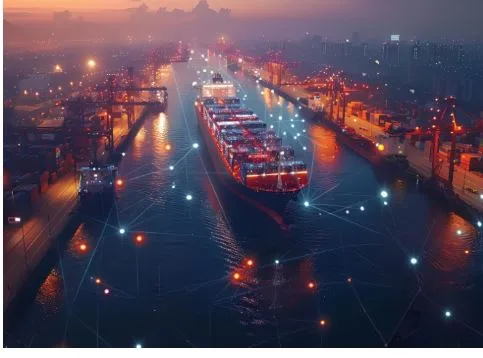
When it comes to maritime operations in modern times, reliable, ongoing communication is no longer a luxury but an imperative. Shipping companies demand real-time data, continuous crew contact, and stable access to cloud systems. Traditionally, satellite connectivity often created frustratingly long gaps in coverage, especially when vessels were on long voyages across open water. This entire picture is now changing dramatically, thanks to new-generation Low Earth Orbit (LEO) networks like Starlink. By delivering significantly faster speeds, lower latency, and wider availability, these innovative systems are finally eliminating the communication blackouts that once slowed down or completely disrupted maritime business.
As a major global junction, Singapore is positioned right in the middle of one of the world’s most congested shipping corridors. The region depends on safe, connected, and predictable vessel movements. As interest in Starlink in Singapore grows, operators want clear information on how LEO connectivity works and what benefits it delivers. In this article, we will discuss how these systems reduce voyage communication gaps, what this means for daily operations, and how the regulatory scene affects adoption.
Why Communication Blackouts Disrupted Maritime Workflows
Earlier satellite systems relied on geostationary networks. These links offered stability but often struggled with congestion, signal drop, and long delays. Weather conditions added further disruption. Ships moving between different coverage zones sometimes lost their signal. Crews waited for minutes before receiving updates. Digital systems also paused or slowed down. In critical situations, this created operational risk.
Modern fleets depend on data flow to run navigation tools, remote monitoring platforms, onboard management systems, and safety services. When a vessel loses its connection, even for a short period, all of these key processes stop. Consequently, delays turn into longer decision times, slower reporting, and weaker situational awareness.
This problem drove interest in low-earth-orbit solutions. Their design supports global coverage with reduced signal loss. As a result, ships now maintain stronger links across long international voyages.
How LEO Connectivity Reduces Blackouts at Sea
New LEO systems place satellites much closer to the Earth. Their location reduces signal travel distance and improves responsiveness. These networks use large satellite constellations to maintain constant visibility of a user terminal. This means that as one satellite moves out of range, another takes over within seconds. The handover process stays smooth and prevents most of the traditional dropouts.
LEO systems also support higher throughput. This enables real-time communication that older solutions could not. Maritime operators now run cloud dashboards, send large reports, and maintain direct contact with shore teams. As latency remains low, services like live video support, active monitoring, and emergency coordination work better.
These qualities make LEO systems like Starlink a practical upgrade for long-distance voyages. The reduction in blackouts improves consistency and gives operators more control over mission-critical systems.
How Starlink Strengthens Maritime Connectivity
Starlink expands the advantages of LEO technology and offers global coverage outside coastal networks. Its terminals deliver strong bandwidth and stable latency, which supports intensive operational and welfare applications. Real-time communication becomes possible at sea, even far from land.
Typical usage for Starlink Maritime includes continuous vessel tracking, live shore-to-ship communication, remote machinery diagnostics, cloud-based documentation tools, and access to online training resources. Crews gain stable personal connectivity, which improves morale and welfare conditions. With this shift, it becomes easier to align with modern safety and well-being standards in the global maritime sector.
Starlink’s equipment offers simple installation and compact form factors. Ships can deploy them without major structural changes. This helps different vessel types adopt the system quickly, from cargo fleets and offshore craft to fishing vessels and support boats. These terminals withstand harsh marine conditions and operate during heavy weather, which ensures continuity in challenging environments.
Regulatory Environment for Starlink in Singapore
Singapore maintains a strict regulatory framework for satellite services. Any Starlink terminal used within national waters must hold IMDA approval and an active licence. Foreign vessels entering Singapore waters follow the same rules if they want to operate their terminals locally. This controlled structure protects radio spectrum use and supports the safe operation of LEO systems.
Maritime operators that run long-haul routes from Singapore gain strong benefits from LEO networks. Continuous coverage removes communication blackouts and prevents data loss during transit. It also strengthens fleet tracking and surveillance systems that support safe and efficient operations for Singapore-based shipping firms.
Improving Operational Efficiency Across Vessel Types
Different sectors leverage LEO technology in highly specific ways:
- Cargo fleets prioritise uninterrupted data for real-time reporting and smoother port collaboration.
- Offshore energy vessels rely on stable, live links for remote inspections, technical support, and critical worker coordination.
- Fishing vessels use constant connectivity for regulatory reporting, location sharing, and instant safety alerts.
- Passenger ferries and yachts utilise low-latency services primarily for enhanced navigation tools and high-quality onboard digital services for guests.
The Role of Service Providers in Safe Adoption
A well-reputed, reliable global satellite communication provider helps users manage the complexity of modern systems. The right partner offers technical guidance, regulatory clarity, installation support, and long-term maintenance. Managed services protect vessels from configuration errors and security gaps.
IEC Telecom appears in this space as an authorised reseller for Starlink. The company supports both enterprise and maritime deployments through engineering expertise, network management tools, and cybersecurity layers. This involvement helps operators adopt Starlink safely within Singapore’s regulatory environment. The aim is not only to supply hardware but to ensure users maintain full control of their communication assets and keep operations reliable.
Looking Ahead: A New Era of Connected Voyages
LEO networks mark a major shift in maritime communication in Singapore. They deliver strong speeds, low latency, and global coverage, which allows ships to gain continuous access to digital tools that support safety, performance, and welfare. The reduction in communication blackouts with LEO connectivity marks the first step toward a more reliable and data-driven future at sea.
Interest in satellite internet Singapore grows as maritime operators recognise the need for reliable, high-quality connectivity. Starlink stands out because it offers accessible hardware, simple deployment, and strong performance across long voyages. When combined with proper network management and regulatory compliance, it becomes a powerful tool for connected maritime operations.
Editor’s Note: This article is supported by SERPHIX Digital, a digital solutions provider helping businesses expand their online presence.