How to Choose the Best Lighting for Kitchen Ceiling?
The kitchen is no longer just a place for cooking. It has become a central space for family gatherings, casual dining, and even working from home. Because of this, choosing the right ceiling lighting for your kitchen is essential. Good lighting improves functionality, enhances safety, and elevates the overall aesthetic of the space.
So how do you choose the best kitchen ceiling lighting? The answer lies in understanding lighting layers, fixture types, ceiling height, and design style.
1. Understand the Role of Kitchen Ceiling Lighting
Kitchen ceiling lights serve two main purposes: general illumination and task support. A well-lit kitchen should provide even brightness across the room while avoiding harsh shadows over work areas like countertops and islands.
Ceiling lighting is the foundation of your kitchen’s lighting plan. Without it, even the most stylish accent lights will feel insufficient. This is why selecting the right ceiling fixtures is the first and most important step.
2. Flush-Mounted Lights for Low Ceilings
If your kitchen has a low or standard-height ceiling, flush mount lights are one of the most practical choices. These fixtures sit close to the ceiling, providing uniform light without making the space feel cramped.
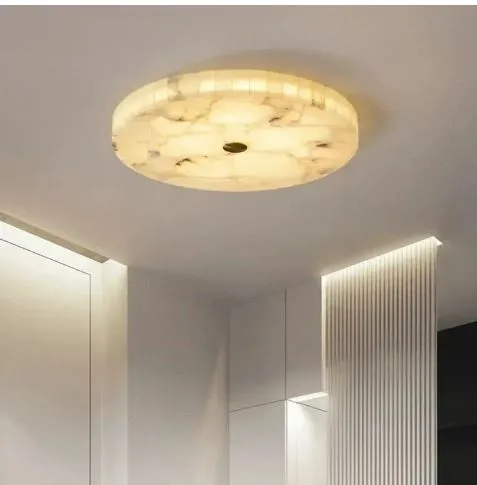
Flush mounts are especially suitable for small kitchens, apartments, or minimalist interiors. They distribute light evenly and keep the ceiling visually clean. For homeowners who want a balance of elegance and practicality, flush-mounted lights can also come in decorative materials such as alabaster, glass, or metal finishes, adding subtle sophistication without overwhelming the room.
3. Chandeliers for Spacious Kitchens
In larger kitchens or open-plan layouts, ceiling lighting can also become a design statement. This is where chandelier lights come into play. A chandelier placed above a kitchen island or dining area adds visual interest and a sense of luxury.
Modern kitchen chandeliers are no longer overly ornate. Many contemporary designs focus on clean lines, soft materials, and warm light diffusion. When chosen correctly, chandelier lights not only illuminate the space but also act as a focal point that ties the kitchen together with adjacent living or dining areas.
4. Pendant Lights for Islands and Counters
One of the most popular choices for kitchen ceiling lighting is pendant lights. These fixtures hang down from the ceiling and are ideal for illuminating specific zones, such as kitchen islands, breakfast bars, or countertops.
Pendant lights provide focused task lighting while also contributing to the kitchen’s style. Whether installed in a row or as a single statement piece, pendant lights add depth and dimension to the ceiling design. For best results, the height and spacing of pendants should be carefully planned to avoid glare and ensure even illumination.
5. Choose the Right Light Temperature
Beyond fixture type, light temperature plays a crucial role in kitchen comfort. Warm white light (2700K–3000K) creates a cozy atmosphere, while neutral white (3500K–4000K) offers clarity and brightness for cooking tasks.
Many homeowners prefer a combination: neutral lighting for work areas and warmer tones for dining or decorative zones. Ceiling lights with diffusers, such as alabaster or frosted glass, help soften brightness and reduce eye strain.
6. Match Lighting with Kitchen Style
Your ceiling lighting should complement your kitchen’s overall design. A modern kitchen pairs well with sleek flush mounts or minimalist pendants, while a classic or transitional kitchen benefits from chandeliers with refined details.
Materials matter as well. Natural stone, metal accents, and soft glass finishes can all enhance the visual harmony of the space. Consistency between lighting fixtures and cabinetry, countertops, or hardware creates a cohesive look.
7. Think in Layers
The best kitchens use layered lighting. Ceiling lights provide general illumination, while under-cabinet lights and accent fixtures handle specific tasks and ambiance. When these layers work together, the kitchen becomes more functional, comfortable, and visually appealing.
Conclusion
Choosing the best lighting for your kitchen ceiling is about balancing function and design. Whether you opt for flush-mounted lights for simplicity, chandelier lights for elegance, or pendant lights for focused illumination, the right choice will transform your kitchen into a bright, welcoming space. With thoughtful planning and attention to detail, ceiling lighting can elevate both the look and usability of your kitchen for years to come.