The Simple Additions That Can Upgrade Any Dish Instantly
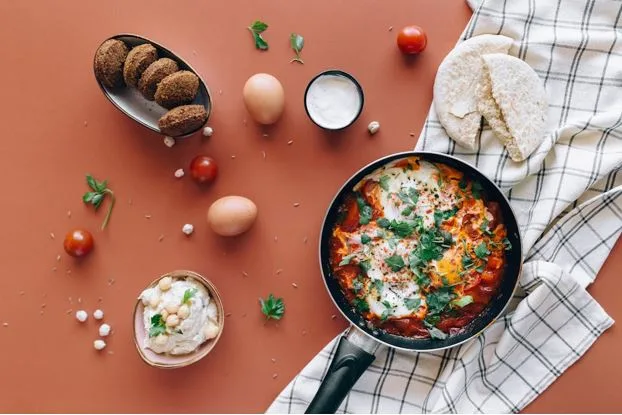
Have you ever taken a bite of a home-cooked meal and thought, It’s fine, but something’s missing? You followed the recipe, used good ingredients, and even timed it all just right. But it still feels like the flavor never quite hits the mark. If that sounds familiar, you’re not alone. These days, when we’re spending more time eating in than dining out, learning to make meals pop without overhauling your whole kitchen is practically a survival skill.
Let’s break down the surprisingly easy upgrades that turn average meals into unforgettable ones.
Acidity: The Unsung Hero of Flavor
You know how food tastes better with a little squeeze of lemon or a dash of vinegar? That’s acidity doing its magic. It brightens up heavy dishes, cuts through fat, and gives even basic ingredients a lift. Think of it like adjusting the lighting in a room—suddenly everything feels a little sharper, more alive.
A splash of apple cider vinegar in a pan sauce, a drizzle of lime juice over roasted veggies, or even pickled onions on a sandwich can turn a good dish into something with a real personality. Acid adds balance where blandness wants to take over. It’s not about making food sour—it’s about waking it up.
Creaminess Without the Cream
With plant-based eating trending across the U.S., creamy textures no longer have to come from heavy dairy. Enter nut-based sauces, avocado blends, and one particularly useful ingredient: tahini sauce. It’s rich, velvety, and instantly turns dry or dull meals into something crave-worthy.
A spoonful can elevate a grain bowl, warm up roasted vegetables, or bring unexpected depth to a wrap or sandwich. And it’s not just for Middle Eastern dishes anymore. Tahini paste has made its way into modern American kitchens as a healthy, shelf-stable, and deeply satisfying option that bridges nutrition and indulgence. As more people explore meatless meals or reduce dairy, having this kind of multipurpose flavor booster on hand just makes sense.
Texture Is the Secret Weapon
The difference between a satisfying bite and a forgettable one often comes down to texture. Soft-on-soft meals get boring fast. Crunch, chew, and crispness add contrast that keeps your taste buds engaged. Chefs have known this for decades, but it’s just starting to filter into everyday home cooking.
Adding toasted seeds to salads, crispy shallots to soups, or crushed tortilla chips on top of chili doesn’t require extra skill—just intention. Texture makes food feel more complete. It’s a small change that gives even leftovers new life. It’s also a great way to use up pantry items, which is important when groceries feel more expensive than ever.
A Little Heat Goes a Long Way
Spice isn’t about setting your mouth on fire. It’s about adding complexity. Even a subtle touch of heat—chili flakes, a drop of hot sauce, or a diced jalapeño—can lift up flavors and help round out a dish. The key is balance. You want the warmth to build, not overwhelm.
As climate change alters crop patterns and prices rise, home cooks are reaching for low-cost, high-impact pantry items to keep meals interesting. Hot sauces and chili oils have become staples, not just condiments. They add excitement without requiring a new recipe. Just a few drops can turn something simple into something you want to eat again tomorrow.
Fresh Herbs Are a Game Changer
There’s nothing wrong with dried herbs. But when you’re looking for an instant upgrade, fresh herbs offer a level of brightness and aroma that just can’t be matched. A sprinkle of parsley on pasta, chopped cilantro on tacos, or a few basil leaves over soup can lift the entire meal.
They don’t need to be expensive either. You can grow herbs on a windowsill or pick up small bunches at most grocery stores. As more people look for ways to bring nature indoors and reduce food waste, herbs hit both marks. They bring color and life to your cooking—and to your kitchen.
Salt, But Smarter
We all know salt matters. But how and when you use it matters even more. Salting your food only at the end leaves it tasting surface-level. Layering salt during cooking—while boiling pasta, seasoning vegetables before roasting, or salting meat early—builds flavor from the inside out.
And it’s not just about table salt. Kosher salt, sea salt, and flavored salts each have their own place. Finishing a dish with flaky salt adds texture and visual appeal. It’s an old trick that still feels modern, especially as more of us post our meals online. The right salt, used at the right time, is what separates home cooks from great home cooks.
A Dash of Umami Brings It All Together
Umami isn’t just a culinary buzzword—it’s the depth of flavor we crave without knowing why. It’s the savory, meaty richness found in things like mushrooms, soy sauce, anchovy paste, Parmesan, and even tomato paste. Adding umami to a dish gives it that satisfying, “can’t stop eating this” quality.
With global flavors more accessible than ever, umami has moved from fine-dining menus into everyday kitchens. You don’t need to learn new techniques—just keep a tube of miso paste or a bottle of soy sauce nearby. Stir a little into soups, sauces, or marinades, and you’ll see how quickly it pulls flavors together. It’s not about being fancy. It’s about being smart with what you already have.
We live in a time when food is both comfort and performance, necessity and art. From inflation-driven grocery choices to the rise of home cooking as creative expression, meals carry more meaning now than ever before. These simple additions—things you can pull from your fridge, pantry, or windowsill—remind us that great food doesn’t have to be complicated. It just has to be thoughtful.
When the right flavor hits at the right time, it’s not just dinner—it’s a little bit of joy on a Tuesday night. And sometimes, that’s exactly what we need.