Urban gardening can transform city life for local communities
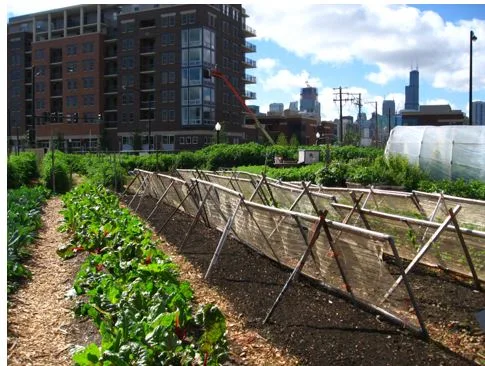
Urban gardening has become a growing trend in cities worldwide, providing residents with fresh produce, green spaces, and a stronger sense of community. It allows people to reconnect with nature, even in highly urbanized areas, while promoting sustainable practices and environmental awareness.
Many urban projects incorporate innovative approaches to green spaces, as seen in initiatives inspired by Sugar Rush, which highlight interactive community planning and creative use of limited spaces. These approaches demonstrate how technology and thoughtful design can enhance both productivity and community engagement.
Community gardens contribute to social cohesion and mental well-being
Participating in community gardening offers not only practical benefits, like access to fresh vegetables and herbs, but also social ones. People of different ages and backgrounds can work together, fostering connections and mutual support. Studies have shown that engaging with plants and soil reduces stress, improves mental health, and boosts overall well-being.
Interactive planning tools are increasingly used to manage urban gardening projects, similar to systems exemplified by Sugar Rush 1000, which provide structured ways to monitor participation, track growth cycles, and optimize resource allocation. Such digital tools make gardening more accessible and efficient for both beginners and experienced gardeners.
Schools and local organizations can promote education through urban gardening
Many schools and non-profit organizations are now incorporating gardening programs into their curricula. By doing so, they teach children about biology, nutrition, and environmental responsibility in hands-on ways. Urban gardens can also serve as living laboratories where students experiment with plant growth, composting, and sustainability practices.
Urban gardening supports environmental sustainability in cities
Green spaces created through urban gardening help mitigate the effects of pollution, reduce urban heat islands, and improve air quality. Additionally, composting food waste and growing local produce reduces the carbon footprint associated with food transportation. The integration of small-scale urban farms into city planning represents a practical step toward more sustainable urban living.
Urban gardening thus not only improves access to fresh food but also strengthens communities, promotes education, and contributes to a healthier environment, making it a vital element of modern urban development.