Interactive Memory Puzzle That Improves Focus
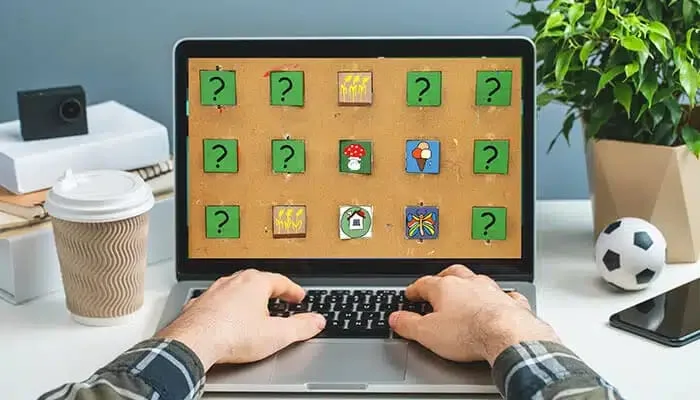
In today’s fast-paced digital world, maintaining concentration and mental clarity has become increasingly challenging. Constant notifications, multitasking, and screen fatigue often weaken our ability to focus for extended periods. One engaging and effective way to counter this problem is through interactive memory puzzles. These puzzles are designed not only for entertainment but also to strengthen attention, recall, and mental discipline. In particular, popular options like the Google memory puzzle have introduced millions of users to brain-training through simple yet powerful interactive gameplay. Created and promoted by Google, these puzzles demonstrate how short, playful activities can sharpen focus and improve cognitive performance. By challenging players to remember patterns, images, or sequences, interactive memory puzzles turn focus training into an enjoyable daily habit.
Understanding Interactive Memory Puzzles
Interactive memory puzzles are digital or physical games that require players to remember information and retrieve it accurately. Unlike passive activities, these puzzles demand active participation, quick decision-making, and sustained attention. Players may be asked to match cards, recall sequences, or identify previously seen symbols. The interactive element means that users receive immediate feedback, encouraging them to adjust strategies and stay mentally engaged. Over time, this repeated process strengthens the brain’s ability to concentrate and manage information more efficiently.
How Memory Puzzles Improve Focus
Focus improves when the brain is trained to filter distractions and concentrate on a single task. Interactive memory puzzles naturally encourage this behavior. During gameplay, players must ignore irrelevant stimuli and pay close attention to details such as position, color, or order. This mental discipline carries over into real-life situations, making it easier to focus at work, school, or during everyday tasks. Regular engagement with memory puzzles helps build longer attention spans and sharper mental clarity.
The Role of Engagement and Interactivity
Interactive memory puzzles excel because of their strong focus on engagement and interactivity. Features such as colorful visuals, sound effects, timed challenges, and gradually increasing difficulty capture attention and sustain interest. Rather than feeling like repetitive mental drills, these puzzles resemble enjoyable games, which makes users more willing to participate regularly. This enjoyment lowers mental fatigue and resistance to learning. When players are actively and emotionally engaged, their brains stay alert for longer periods, resulting in improved focus, stronger memory retention, and more effective cognitive training overall.
Benefits for All Age Groups
Interactive memory puzzles offer meaningful benefits for all age groups by supporting brain development and mental wellness. For children, they strengthen learning abilities, improve attention span, and encourage logical thinking through play-based challenges. Adults gain sharper focus, better multitasking skills, and a healthy way to reduce daily stress. Seniors benefit from regular mental stimulation that helps maintain memory, concentration, and overall cognitive sharpness while slowing age-related decline. Because interactive memory puzzles can be adjusted in difficulty, they remain engaging and achievable for everyone, making them an inclusive activity that promotes lifelong learning and mental fitness.
Interactive Google Memory Game and Its Impact
The interactive Google memory game is a great example of how simple design can deliver powerful cognitive benefits. Often accessible directly through a browser, this game challenges players to match images or remember sequences within a limited time. Its clean interface and instant accessibility make it appealing to users of all skill levels. By encouraging short but frequent play sessions, the interactive Google memory game helps users practice focus without feeling overwhelmed. This approach shows how even a few minutes of daily play can contribute to better attention and mental agility.
Incorporating Memory Puzzles into Daily Routine
Incorporating memory puzzles into a daily routine is a simple yet effective way to strengthen cognitive skills. Dedicating just 10 to 15 minutes each day can lead to noticeable improvements in focus, attention, and recall. These activities fit easily into everyday life and can be enjoyed during short breaks, before starting work, or as a calming evening habit. The key is regular practice rather than long sessions. With consistent engagement, the brain gradually becomes more efficient at processing and retaining information, helping individuals stay mentally sharp and better prepared for complex tasks beyond the puzzles themselves.
Why Focus Training Matters in the Digital Age
In an era dominated by constant notifications, multitasking, and endless scrolling, focus has become a rare and valuable skill. Our brains are continuously pulled in multiple directions, making it harder to concentrate deeply on a single task. Focus training helps counter this challenge by strengthening attention control and mental discipline. Interactive memory puzzles are especially effective because they engage the mind in a structured yet enjoyable way, encouraging mindfulness and patience. With regular practice, individuals often experience improved productivity, sharper learning abilities, and better decision-making. Strong focus also supports emotional balance, reducing stress caused by information overload. In this way, focus training proves that technology, when used intentionally, can enhance mental well-being rather than weaken it.
Closing Remarks
Interactive memory puzzles are more than just games; they are powerful tools for improving focus and cognitive strength. By engaging the brain through recall, attention, and problem-solving, these puzzles help individuals of all ages develop stronger concentration skills. The popularity of options like the Google memory puzzle highlights how accessible and effective this form of brain training can be. When practiced regularly, interactive memory puzzles can transform spare moments into meaningful mental workouts, leading to improved focus, clarity, and overall cognitive health.