Complete Guide about Real Estate Photography for UK Property Agents
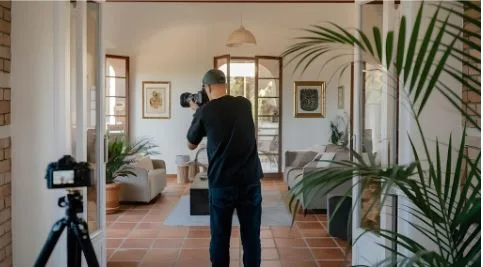
Are your property listings getting ignored online while other homes sell quickly? Poor photos with bad lighting and wrong angles make beautiful properties look unappealing to buyers. UK estate agents know that first impressions matter when buyers browse listings online. Professional Real Estate Photography transforms your listings, whether you work with Real Estate Agents London UK or capture photos yourself.
What is Real Estate Photography?
Real Estate Photography means taking professional photos of properties to attract buyers and renters. Good property photographers know how to make rooms look spacious, highlight special features, and create photos that make people want to visit the property. This photography style works for homes, commercial buildings and rental properties managed by Guaranteed Rent London. Properties with professional photos sell 32% faster, and quality estate agent photography helps you stand out from other agents in your area.
Essential Equipment for Property Photography
Having the right equipment ensures you capture professional-quality images every time. The tools you choose directly impact the final results buyers see online.
Cameras and Lenses
You need a good DSLR camera for professional Real Estate Photography with full manual controls.
Popular camera options:
- Canon EOS 5D
- Nikon D850
- Sony A7
A wide-angle lens between 16-35mm is essential for capturing whole rooms when photographing homes. This lens makes small spaces look bigger and more attractive to buyers.
Supporting Equipment
A tripod keeps your camera steady for sharp photos. External flashes help you shoot in dark rooms and create bright, welcoming spaces. For investment properties needing company let properties financing, quality photos matter because investors decide from photos first. Drone photography equipment captures aerial views for real estate drone photography, showing gardens and surrounding areas beautifully.
Preparing for Your Property Photoshoot
Proper preparation makes the difference between average and professional results. Planning your shoot carefully ensures you capture every important detail efficiently.
Scheduling and Planning
Schedule your property photoshoot for late afternoon when natural light is best. Check weather forecasts and reschedule if rain is expected.
Create a shot list including:
- Bedrooms
- Kitchen
- Living room
- Bathrooms
- Outdoor spaces
Property Preparation
Clean the property and remove personal items and clutter from all rooms. Open curtains and blinds to let natural light fill spaces. Turn on room lights, but avoid harsh overhead lighting and stage rooms with minimal furniture.
Professional Property Photography Techniques
Mastering basic techniques helps you capture images that attract buyers and generate more inquiries. These methods make properties look spacious, bright, and inviting.
Composition Basics
Use the rule of thirds by placing key features at grid intersection points. Shoot from room corners to capture three walls and make spaces look larger. Keep your camera at waist height, around five feet, for natural perspective.
Lighting and Shooting Tips
Natural light works best, so open windows and use golden hour for exteriors. Use an external flash to fill dark corners and balance room lighting. Keep consistent lighting across all rooms and adjust white balance to avoid colour tints.
Room-by-Room Approach
Take two shots per bedroom and living room, showing different angles. Capture kitchens with straight-on shots highlighting countertops and cabinets. Focus on the best feature in each room, like windows or fireplaces, to create stunning property photos.
Drone Photography for UK Properties
Drone photography creates impressive aerial views that showcase entire properties and gardens. In the UK, follow CAA regulations before flying drones near restricted areas. Aerial shots work well for properties with large gardens or impressive features and add marketing appeal for higher-value listings. Prices vary between £150-£300 based on property size and requirements.
Real Estate Photography Pricing and Career
Understanding pricing helps you budget correctly and build a sustainable career in this field. Knowing market rates ensures you get fair value for professional services.
UK Pricing Guide
Real estate photography pricing in the UK varies based on property size and location:
| Property Type | Price Range |
| Small apartments | £100-£150 |
| Larger homes | £200-£400 |
| Drone photography | £150-£300 |
London and major cities command higher rates compared to smaller towns.
Building Your Career
Start by building a portfolio with practice shoots of friends’ homes or rental properties. Take courses online or at local colleges to improve your skills. Average salary ranges from £25,000 for beginners to £50,000 for experienced professionals working full-time.
Editing Your Property Photos
Professional editing transforms good photos into stunning images that grab buyers’ attention. Quality post-processing makes the difference between amateur and professional results. Use editing software like Adobe Lightroom or Photoshop to adjust brightness, contrast, and color balance. Correct lens distortion to ensure straight walls, remove small distractions while keeping the property realistic, and apply consistent editing styles across all photos.
Conclusion
Mastering Real Estate Photography helps UK estate agents create compelling listings that attract more buyers. Start with essential equipment like a DSLR camera and a wide-angle lens, then practice composition and lighting techniques regularly. Quality Home Photography separates successful agents from competitors and helps you build a stronger reputation in your local market.
Frequently Asked Questions (FAQs)
How many photos should be included in a property listing?
Most UK property listings include 15-25 high-quality images covering all rooms and outdoor spaces. Smaller apartments need 10-15 photos while luxury homes may require 30-40 images to showcase all features properly.
Can I use my smartphone for property photography?
Modern smartphones can work for basic listings but lack manual controls and wide-angle capabilities that DSLR cameras offer. Professional buyers expect higher quality images that smartphones typically cannot deliver consistently.
What are common mistakes to avoid in property photography?
Common mistakes to avoid:
- Shooting with windows behind you
- Using vertical phone orientation
- Including personal items or clutter
- Skipping cleaning and staging
How long does a typical property photoshoot take?
Small apartments take 30-45 minutes while larger homes need 1-2 hours for complete coverage. Add extra time for drone shots, twilight photography, or properties requiring extensive staging adjustments.
Do property photographers need insurance in the UK?
Yes, professional indemnity insurance and public liability insurance protect you against accidents or damage during shoots. Most estate agencies require proof of insurance before hiring photographers.
What is HDR photography, and when should I use it?
HDR combines multiple exposures to show detail in both bright and dark areas simultaneously. Use HDR for rooms with large windows or challenging lighting situations where single exposures cannot capture the full scene properly.
How do I find clients as a new property photographer?
Contact local estate agencies directly with portfolio samples, join property networking groups, and offer discounted rates for first-time clients. Online platforms like Bark and Bidvine connect photographers with agents seeking services.