5 Must-Have RV Accessories for First-Time Owners
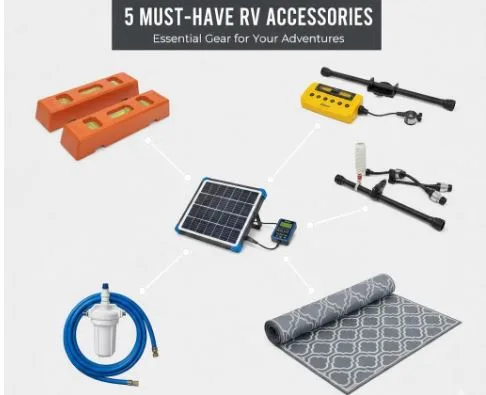
Starting your recreational vehicle adventure represents an exciting milestone filled with freedom, exploration, and unforgettable memories. However, many first-time RV owners quickly discover their new motorhome, travel trailer, or fifth wheel doesn’t include everything necessary for safe, comfortable camping trips.
Part of RV travel’s appeal involves discovering local gems along your journey, from using platforms like bestcafes to find top-rated coffee shops across the US to exploring hidden campgrounds and scenic routes. Before embarking on your maiden voyage, investing in essential RV accessories ensures your adventure remains stress-free and enjoyable. Whether you’re purchasing from experienced dealers like Vogt RV or shopping online, understanding which accessories truly matter separates confident RVers from overwhelmed beginners. This comprehensive guide explores five crucial accessories every first-time recreational vehicle owner needs before hitting the open road.
Freshwater Hose & Water Pressure Regulator
Clean, safe drinking water ranks among your most fundamental RV camping needs. Unlike standard garden hoses that contain harmful chemicals and leave unpleasant tastes, dedicated RV freshwater hoses provide potable water designed specifically for human consumption.
Why You Need an RV-Specific Water Hose
Standard garden hoses aren’t manufactured for drinking water applications. They often contain lead, BPA, and other contaminants that leach into your water supply over time. RV freshwater hoses feature food-grade materials meeting NSF standards for safe drinking water delivery.
Quality matters significantly when selecting your freshwater hose. Cheaper options tend to kink frequently, develop leaks at connection points, and deteriorate rapidly under sun exposure. Premium hoses constructed from reinforced materials resist kinking while maintaining flexibility across temperature extremes.
Most experienced RVers recommend carrying at least 50 feet of freshwater hose, though having 75-100 feet total provides flexibility for sites where pedestals sit farther from your hookup location.
The Critical Importance of Water Pressure Regulators
Water pressure across different campgrounds, RV parks, and municipal connections varies dramatically. While low pressure creates inconvenience affecting shower quality and dishwashing efficiency, high water pressure poses serious threats to your recreational vehicle’s plumbing system.
Campground water supplies regularly exceed safe operating parameters for RV plumbing. Modern recreational vehicles handle approximately 100 PSI maximum, though manufacturers typically recommend maintaining pressure between 40-60 PSI for optimal performance and longevity.
Excessive water pressure causes burst pipes, damaged fittings, failed water heater connections, and catastrophic leaks resulting in expensive water damage repairs. Since campgrounds rarely monitor pressure at individual sites, readings can spike beyond 100 PSI without warning.
Installing a water pressure regulator between the campground spigot and your freshwater hose provides essential protection. These simple brass or stainless steel devices regulate incoming pressure to safe levels regardless of source fluctuations.
Adjustable regulators offer greater flexibility, allowing customization between 25-75 PSI depending on your specific RV model requirements. Models featuring built-in pressure gauges provide real-time monitoring, helping identify problematic campground connections before damage occurs.
Sewer Hose Kit
Managing waste represents one aspect of RV ownership that intimidates many first-time buyers. However, with proper equipment and techniques, handling black water and gray water tanks becomes straightforward routine maintenance rather than dreaded chores.
Essential Components of Quality Sewer Hose Kits
Complete sewer hose kits include several critical components working together for leak-free, sanitary waste disposal:
Heavy-duty sewer hose: Look for reinforced hoses measuring 15-20 feet minimum, constructed from durable materials resistant to punctures, kinks, and UV degradation. Quality hoses feature bayonet-style fittings, ensuring secure connections and preventing messy accidents.
90-degree elbow fittings: These attachments connect between your RV waste outlet and hose, allowing proper drainage angles while reducing stress on connections. They significantly extend hose lifespan by preventing kinks at critical junction points.
Clear elbow adapters: Transparent fittings let you visually confirm complete tank drainage, eliminating guesswork about when dumping procedures finish completely.
Secure storage: Dedicated storage solutions keep used hoses contained separately from other equipment, maintaining hygiene standards throughout your camping season.
Proper Sewer Management Practices
Never connect your sewer hose until you’ve positioned and leveled your RV completely. Always wear disposable gloves during dumping procedures, and establish consistent routines ensuring thorough tank flushing after every dump.
Black water tanks should empty first, followed immediately by gray water tanks. This sequence allows soapy gray water to rinse residual waste from hoses, maintaining cleaner equipment between camping trips.
Tank treatment chemicals help control odors, break down solid waste, and maintain sensor accuracy. Biodegradable formulations work effectively while remaining environmentally responsible.
Surge Protector & Power Adapters
Your recreational vehicle contains thousands of dollars worth of sensitive electronic equipment, appliances, and electrical components vulnerable to power quality issues. Campground electrical systems vary dramatically in reliability, making electrical protection absolutely non-negotiable for responsible RV ownership.
Understanding RV Electrical Vulnerabilities
Unlike residential homes with consistent, regulated power delivery, campground electrical pedestals experience frequent voltage fluctuations, power surges, improper wiring configurations, and dangerous electrical conditions threatening your investment.
Common electrical problems at campgrounds include:
Voltage surges and spikes: Lightning strikes, equipment failures, or sudden load changes create rapid voltage increases damaging air conditioners, converters, televisions, microwaves, and other appliances instantly.
Low voltage (brownouts): When campgrounds exceed their designed electrical capacity, voltage drops below safe operating parameters. Low voltage forces motors and compressors to draw excessive amperage, generating destructive heat causing premature equipment failure.
Reversed polarity: Incorrectly wired pedestals reverse hot and neutral connections, creating shock hazards and equipment damage risks.
Open ground or open neutral: Missing ground connections eliminate critical safety protection, while open neutrals create dangerous high-voltage conditions potentially destroying everything plugged into your RV simultaneously.
Choosing Appropriate Surge Protection
Basic surge protectors provide minimal protection against voltage spikes only. Advanced Electrical Management Systems (EMS) offer comprehensive protection detecting and responding to multiple electrical faults automatically.
Quality EMS units monitor incoming power continuously, disconnecting your RV immediately when detecting dangerous conditions. They protect against surges, low voltage, high voltage, open grounds, open neutrals, reversed polarity, and frequency variations.
When selecting surge protection, match the amperage rating to your RV specifications. Travel trailers typically require 30-amp protection, while larger fifth wheels and Class A motorhomes need 50-amp capacity.
Joule ratings indicate surge absorption capacity. Higher ratings provide greater protection during severe electrical events. Quality portable surge protectors feature 2,000+ joule ratings, while premium hardwired systems offer 5,000+ joules.
Power Adapters for Flexibility
Even with appropriate surge protection, you’ll occasionally encounter campgrounds offering different amperage than your RV requires. Power adapters allow safe connections between mismatched configurations.
Common adapter combinations include:
- 50-amp to 30-amp step-down adapters
- 30-amp to 15-amp household connections
- 15-amp to 30-amp with reduced capacity awareness
Always use quality adapters featuring heavy-gauge copper wiring and weather-resistant construction. Cheap adapters generate excessive heat under load, creating fire hazards through melted insulation and failed connections.
Leveling Blocks & Wheel Chocks
Parking your RV perfectly level isn’t merely about comfort, though sleeping on inclined surfaces proves uncomfortable. Proper leveling ensures your refrigerator operates efficiently, holding tank sensors read accurately, and doors swing correctly without binding.
Why Leveling Matters
RV refrigerators using absorption cooling systems require level positioning for proper operation. Running these units off-level damages cooling units, potentially causing complete failure requiring expensive replacements costing thousands of dollars.
Leveling also prevents interior items from sliding, reduces stress on door hinges and cabinet latches, and ensures comfortable sleeping regardless of campsite terrain.
Types of Leveling Solutions
Stackable interlocking blocks: These LEGO-style levelers allow infinite height adjustments by stacking individual pieces. They’re incredibly versatile, handling extreme elevation differences while remaining stable under heavy loads. Quality sets support 30,000+ pounds, suitable for even the largest recreational vehicles.
Curved ramp levelers: Single-piece curved designs provide graduated inclines from 1/2 inch to 4 inches. Simply drive onto the leveler until reaching desired height. These work exceptionally well for minor adjustments on relatively level sites.
Jack pads: When parking on soft ground, grass, or sand, jack pads distribute stabilizer jack weight across larger footprints preventing sinking. They’re essential accessories protecting jacks while maintaining stability on challenging terrain.
Essential Wheel Chock Safety
Leveling blocks raise one side of your RV, creating inclined parking positions where gravity constantly pulls your vehicle downhill. Wheel chocks provide critical safety preventing unintended movement that could cause injuries, property damage, or catastrophic accidents.
Place wheel chocks on both sides of every wheel for maximum stability. Rubber chocks offer superior traction compared to plastic alternatives, while proper sizing ensures adequate contact with tire surfaces.
For tandem axle trailers, chocking becomes even more critical due to increased vehicle weight and momentum. Many experienced RVers use chocks measuring at least 1/4 of tire height, ensuring sufficient blocking force.
Always install wheel chocks before disconnecting from your tow vehicle and before extending stabilizer jacks. This sequence ensures your RV remains stationary throughout setup procedures.
Safety Kit
Recreational vehicle travel exposes you to unique emergency situations requiring specialized safety equipment beyond standard roadside assistance supplies. Comprehensive safety kits provide peace of mind while ensuring preparedness for medical emergencies, fires, and mechanical breakdowns.
Fire Safety Equipment
RVs present elevated fire risks compared to residential homes. Compact kitchens with propane appliances, electrical systems under continuous load, and flammable interior materials create environments where fires spread rapidly through confined spaces.
Every recreational vehicle should carry at minimum one multi-purpose fire extinguisher rated for Class A, B, and C fires. These extinguishers handle wood, paper, grease, and electrical fires effectively.
Mount extinguishers in easily accessible locations near exits, never inside locked compartments requiring keys during emergencies. Check pressure gauges monthly, ensuring units remain fully charged and ready for immediate use.
Replace fire extinguishers every 5-10 years regardless of apparent condition. Internal components degrade over time, reducing effectiveness when you need protection most.
First Aid Supplies
Comprehensive first aid kits address common camping injuries including cuts, scrapes, burns, sprains, and insect bites. Quality kits contain:
- Assorted adhesive bandages in multiple sizes
- Sterile gauze pads and rolls
- Medical tape and scissors
- Antiseptic wipes and antibiotic ointment
- Pain relievers and anti-inflammatory medications
- Tweezers for splinter removal
- Thermometer
- Disposable gloves
- Emergency contact information cards
Store prescription medications separately in clearly labeled containers with current information. Carry at least seven-day supplies of essential medications, accounting for potential delays returning home during emergencies.
Roadside Emergency Equipment
Mechanical breakdowns happen unexpectedly, often in remote locations with limited cellular service. Proper emergency equipment helps you signal for assistance, perform minor repairs, and stay safe while waiting for professional help.
Essential roadside emergency items include:
Warning triangles or road flares: These devices alert approaching traffic to your presence, especially critical at night or in low-visibility conditions. Place markers at least 100 feet behind your disabled vehicle.
Tire repair kits and portable air compressor: Small punctures often seal successfully using tire repair products, allowing you to reach service facilities without mounting spare tires. Portable compressors ensure proper inflation pressure.
Jumper cables or battery jump starter: Dead batteries strand countless RVers annually. Heavy-duty jumper cables or portable lithium jump starters restart engines without requiring assistance from other campers.
Basic tool kit: Adjustable wrenches, screwdrivers, pliers, duct tape, and zip ties handle numerous minor repairs preventing minor issues from becoming major problems.
Flashlights and headlamps: LED lighting provides hands-free illumination during nighttime repairs or emergency situations when power isn’t available.
Bonus Accessories Worth Considering
Beyond these five essential categories, several additional accessories significantly enhance your RV experience:
Water filtration systems: Inline water filters remove sediment, chlorine, and contaminants improving taste and protecting your plumbing components from premature wear.
Tire pressure monitoring systems (TPMS): These wireless sensors continuously monitor tire pressure and temperature, alerting you immediately to dangerous conditions preventing catastrophic blowouts.
Portable GPS navigation: RV-specific GPS units account for vehicle height, weight, and length, routing you safely around low bridges, weight-restricted roads, and hazardous routes.
Roof sealant and inspection supplies: Regular roof inspections prevent water intrusion causing thousands in damage. Quality sealants address minor issues before they become major problems.
Portable generators: When boondocking without hookups, generators provide electrical power for air conditioning, appliances, and battery charging.
Conclusion
Successful RV ownership begins with proper equipment preparation. These five essential accessory categories protect your investment, ensure safety, and transform camping experiences from stressful ordeals into enjoyable adventures.
Freshwater hoses with pressure regulators protect your plumbing while delivering clean drinking water. Quality sewer hose kits handle waste management hygienically and efficiently. Surge protectors preserve expensive electronics and appliances from destructive electrical conditions. Leveling blocks with wheel chocks ensure comfortable, safe parking on any terrain. Comprehensive safety kits prepare you for medical emergencies, fires, and mechanical breakdowns.
Don’t make the common mistake of hitting the road inadequately equipped. Invest in quality accessories from reputable dealers, read manufacturer recommendations carefully, and learn proper usage techniques before your first camping trip.
The recreational vehicle lifestyle offers incredible freedom, flexibility, and adventure opportunities. Proper preparation with essential accessories ensures those experiences remain positive memories rather than expensive lessons learned the hard way.
Start building your RV accessory collection today. Your future self will thank you when facing the inevitable challenges every camper encounters eventually. Safe travels, and enjoy the amazing journey ahead.