How to Lose Weight After 40: A Practical, Sustainable Guide for People in the UK and Ireland
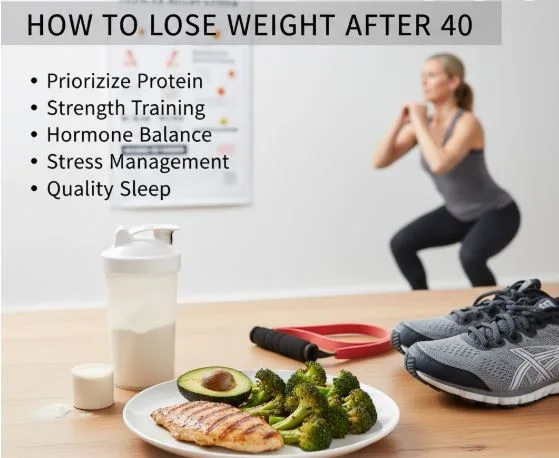
The older we get, the harder it might be to lose some pounds compared to what it was when we were in our twenties or thirties. This general experience is common for a lot of people living in the UK and Ireland, as it seems that losing those unwanted kilos in your forties is no walk in the park but rather an uphill battle. The fact is that our metabolism decreases slightly as we age, and our daily schedule becomes more hectic, with other priorities like work and family life leaving us less time to look after our personal health, but it’s not lost yet because weight loss is doable.
This article provides a straightforward and realistic guide to losing weight past the age of 40, presented in a friendly and approachable style. It considers what happens to the body as it ages, how to diet to facilitate fat loss and overall health, how to remain active without burning out, and the lifestyle choices with the greatest impact.
Why Weight Loss After 40 Works So Well Here
Before looking at how to do this, it is helpful to understand why losing weight may become more difficult as one gets older.
From the late 40s onwards:
The metabolism gradually decreases. That is, you necessarily expend a few calories less at rest than before.
Muscle mass will generally shrink with age, particularly if you are not doing strength exercise. The fewer muscles you have, the fewer calories you will burn.
Hormonal changes influence appetite, fat storage, and energy.
Life becomes busier. It becomes difficult to manage work, home, and social commitments. Consequently, personal health becomes the least priority.
All this doesn’t mean that it is impossible to lose weight. What it means is that a different approach is necessary.
Eat for Balance, Not Restriction
“One of the most common myths about weight loss is that it is necessary to eat very little, or follow a strict eating plan. The fact is, if you find a plan that is too depriving, it is unlikely to work,” Berg says. For that reason, the best approach is to try to make your eating balanced, yet satiate your hunger without overeating, Berg recommends.
These are healthy and senior-friendly eating tips:
“Eat your veggies!” Whole foods like veggies, fruits, lean proteins, and whole grains will keep you full without the sugars and refined carbs that make you hungry again soon. These include things like:
Chicken mince or chicken breast with steamed veggies
Oats with seeds and berries for breakfast
Lentil Soup with Wholemeal Bread
These kinds of food take longer to digest, which helps to maintain a stable level of energy.
Include protein with every meal
It acts to fix muscles and help sustain you until the next meal. It may be found in the following foods:
Eggs
Fish and seafood
Beans & Pulses
Low-fat dairy
Adding proteins to all meals can help to prevent overeating and curb snacking.
Add fiber for fiber
“Fiber”
Vegetable and grains-derived fiber, as well as fruits and beans, makes digestion slower and leads to higher satiety ratings. In the UK and Irish communities, food like porridge oats, peas, lentils, apples, and cabbage is both cheap and high in fiber content.
Eliminating or cutting back on
It is all too easy to ignore calorie intake in liquids. Do sugary coffee, soda, and alcohol add up? The best drinks are, of course, water and herbal teas, and if you like a pint of beer, a glass of wine, and so on, have it as part of your daily intake and include it, rather than with plenty of snacks.
Can Portion Awareness Be Done Without the
Just because you’re counting calories doesn’t mean you have to count every one of them, but portion size awareness is huge. The problem is that portion sizes have been creeping up both at home and at the restaurant. There’s a trick you can use:
Protein the size of the palm of your hand
Carbs the size of your fist
Vegetables and salad should occupy half your plate
It is recommended that healthy fats from nuts to olive oil be no larger than a thumbsize
Eating slowly and pausing when you’re satisfied and not stuffed can help your body sense when you are full. This trick can help because the appetite centers can decrease in reliability with age.
Moving More and Sitting Less
Exercise not only involves burning fat, but it also works in conjunction with building muscles, improving metabolism, bones, and moods. And it is beneficial after the age of 40.
Maintain regular physical activities
You do not need to dedicate hours in the gym to get positive results. Little changes, and:
Take a brisk walk during lunch hours
Cycle or walk to local shops
Use the Stairs Rather Than the Lifts
Take short activity breaks at home
Walking routes and parks, where one can walk, are readily available in most towns and cities in the UK and Ireland. Using these routes regularly gets you moving without it feeling like a task.
Incorporate weight training
Muscle development or maintenance is increasingly important as one ages. Holding two to three strength training sessions per week will assist in maintaining muscle mass and boosting metabolism. This is not necessary if one does not have a membership at their local gym. Home exercise options include body weight exercises such as squats, lunges, push-ups, and resistance bands.
Add flexibility and balance work
Doing yoga or Pilates and even just stretching helps with posture and prevents injury. Community centers in the UK and Ireland have classes that are helpful for those who are beginners.
Sleep, Stress, and Weight Loss
Northwestern University
“Sleep and stress are often overlooked factors in weight loss, but they are imperative to success, particularly at an older age.”
Prioritize good sleep
Lack of sleep has an impact on your hunger hormones, which could trigger you to crave foods that are rich in calories. You should:
Establish a routine of sleeping and waking up at regular times
Try to avoid screens before bed
Keep your bedroom cool and dark
Sleep contributes to a healthy body and makes it easier to maintain healthy habits, too.
Manage stress constructively
Chronic stress causes cortisol, a stress hormone, which is associated with increased hunger and centripetal fat distribution. Strategies that help cope with stress are:
Breathing exercises.
Natural, outdoor walking
Communicating with friends or relatives
Hobbies that help you relax
Tips:
– Stress management isn’t a one-size-fits-all solution; it’s a good thing that there are a variety of
Realistic Goal Setting and Progress Tracking
Bagian/Depart
Having realistic goals is important. Fast weight loss rarely leads to sustainable outcomes. Your aim should be for steady improvement – a rate of change of 0.5 to 1kg a week is a reasonable benchmark most people should aim to achieve.
Tracking progress can be more than the numbers seen on the scale. Observe:
How your clothes fit
The clothes you
Levels of Energy during the Day
Increases or improvements in strength or endurance
Sleep Quality
Some people find the following approach helpful: They keep records—or perhaps just use an app—to monitor what they are eating, what they are doing physically, or even just what they are feeling. This helps them see patterns.
Make It Social and Sustainable
Losing weight doesn’t necessarily mean it has to be done alone. You can let your friends or family know, or consider a local walking group or physical fitness class. For those living within the UK or Ireland, there are often groups that may help, as well as websites that are full of advice and help, along with those who are following a similar path.
Be Kind to Yourself
Finally, practice self-kindness. Some weeks will be good, and some weeks will be harder. It’s much better to move at a slower pace and do the same things every day than to drastically cut calorie intake or exert yourself to the extreme and end up exhausted. Health, not perfection, is the goal, and there’s progress to celebrate that doesn’t involve the scale. Losing weight after the age of 40 may involve a strategy that is different from the one you used when you were younger, although you can still do it. For more details on how to lose weight through a balance of healthier lifestyle changes, you may find it valuable to learn from (Zenthia ireland) http://www.zenthias.com/. For more resources in the UK regarding long-term health matters, wellness, and commonsense weight loss advice for people in the UK and Ireland, visit http://www.zenthia.org.uk/. These resources are intended to help support you, not with radical diets but with the tools to build sustainable, healthy habits.