The Shift Toward Simpler Personal Care Products in Modern Routines
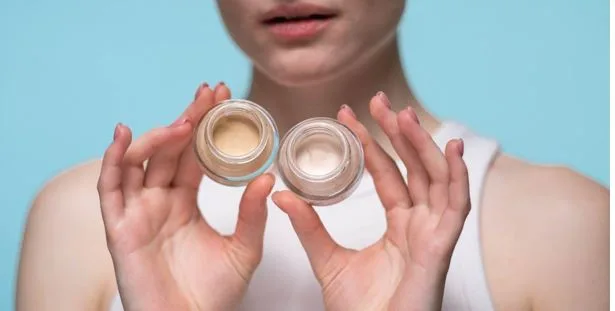
In recent years, we’ve noticed a significant shift in how we approach personal care. More and more people are gravitating toward simpler products that prioritize transparency, safety, and sustainability. This trend reflects broader changes in consumer behavior, as we seek to understand not just what we put on our bodies but also the impact those choices have on our health and the environment. As routines become more intentional, some consumers are incorporating targeted tools like a red light therapy mask into their skincare habits, favoring focused solutions over crowded shelves of products.
As we explore this shift toward simpler personal care products, it becomes clear how mindful choices can quietly reshape daily routines without adding complexity.
Understanding the Trend Towards Simplicity
The Rise of Minimalism in Personal Care
As society becomes increasingly cluttered with choices, the rise of minimalism has taken hold, not just in our wardrobes but in our beauty cabinets as well. Many of us are finding that less truly is more. Minimalism encourages a focus on essential items that serve multiple purposes, which not only reduces waste but also simplifies our daily routines.
This shift aligns with the idea that skincare and haircare should be uncomplicated and effective, harnessing the power of fewer, high-quality ingredients that cater to diverse needs. For hair care, this philosophy often leads people to explore options like a shampoo bar, which can replace bulky bottles while still delivering reliable cleansing and care. By embracing products that are both purposeful and streamlined, we can create routines that feel intentional rather than overwhelming.
Consumer Demand for Transparency and Sustainability
In our quest for simplicity, we are also demanding greater transparency from brands. We want to know what’s in the products we use and how they’re sourced. This desire is likely tied to concerns about the safety of chemical ingredients and their potential long-term effects. Besides, as we become more environmentally conscious, we increasingly gravitate toward brands that prioritize sustainable practices and eco-friendly packaging. From refillable containers to biodegradable ingredients, the focus is shifting toward products that honor both our health and the planet.
Key Factors Driving Simpler Routines
Health and Safety Considerations
One major catalyst for this trend is our growing awareness of health and safety issues linked to personal care products. With reports of harmful chemicals in everything from shampoos to lotions, many of us are taking a closer look at what we apply to our skin and hair. Switching to simpler, more natural formulation not only helps to avoid potential irritants but also appeals to our desire for safer, non-toxic options.
Environmental Impact of Personal Care Products
Equally important is the environmental impact of our choices. Traditional personal care products often contain synthetic materials and chemicals that can harm ecosystems during production and disposal. By choosing simpler products with natural ingredients, we minimize our ecological footprint. We are increasingly aware that our purchasing decisions can contribute to broader sustainability efforts, and for many of us, that drives our preference for simpler products.
Navigating Ingredient Lists: What to Look For
Common Ingredients to Avoid
When we decide to simplify our personal care routines, it’s essential to become savvy about ingredient labels. Many common ingredients like parabens, sulfates, and synthetic fragrances can trigger allergic reactions or skin sensitivities. Being equipped with knowledge about what to avoid empowers us to make informed choices that align with our values of safety and simplicity.
Embracing Natural and Organic Options
In contrast, the market is growing for natural and organic alternatives that use plant-based ingredients without harmful additives. Products labeled as organic or free from certain chemicals can reassure us that we’re choosing safer, more eco-friendly options. Plus, these products often use sustainable sourcing practices, which appeal to our collective desire for responsible consumption.
Creating a Simple Personal Care Routine
Identifying Essential Products
Developing a simpler personal care routine doesn’t require overhauling everything at once: instead, we can start by identifying a few essential products that meet our needs. This could be a multi-use moisturizer that hydrates both skin and hair, or a gentle cleanser that leaves our complexion fresh without stripping its natural oils. Prioritizing products that serve multiple functions can help streamline our routines and minimize the clutter in our cabinets.
Tips for Transitioning to Simplicity
Transitioning to a simpler routine might seem daunting, but it can be a gradual process. We can begin by replacing one product at a time with a simpler alternative, or even by trying a no-buy challenge for personal care items. As we explore new brands and products, it’s essential to stay informed and maintain our standards about ingredient transparency and sustainability.
The Future of Personal Care Routines
Innovations in Simplicity
Looking ahead, we expect to see more innovations in the realm of personal care that enhance simplicity. This could include advancements in formulations that combine multiple benefits without compromising safety or effectiveness. We’re already witnessing the rise of brands that focus on minimalist ingredient lists while maximizing the potency of products.
Expected Trends in Consumer Preferences
As consumers, our expectations for personal care are evolving. We anticipate that the trend toward simplicity will continue to flourish, with more emphasis on ethical practices, custom formulations, and transparency. Brands will likely respond to our demand for simplicity in ways that align with our growing consciousness about health and the environment. For a deeper understanding of this trend and its implications, we invite you to check out resources like the Environmental Working Group’s Skin Deep database, which offers insights into ingredient safety and product transparency.