The Rise of Digital Dentistry: Innovations Changing Patient Care
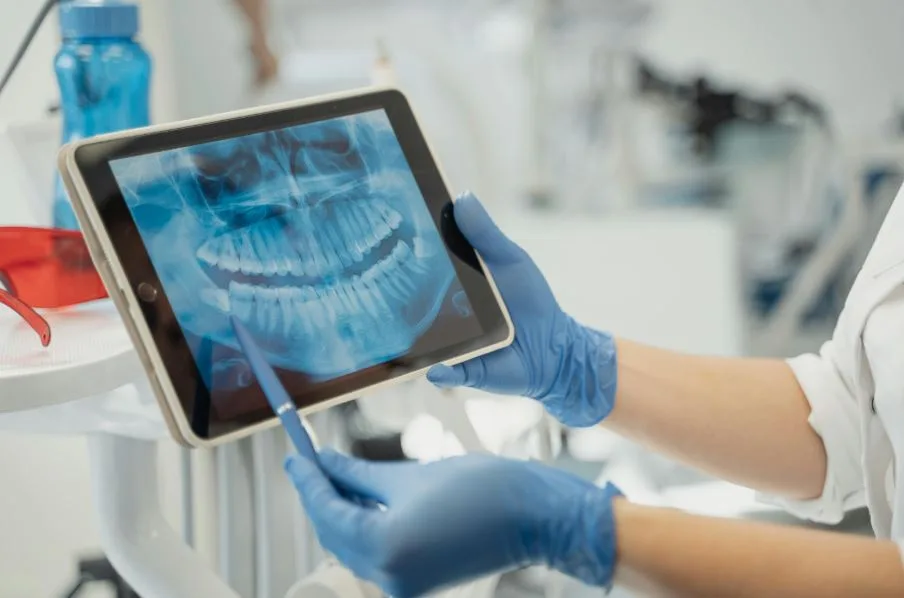
For decades, the dental experience remained largely unchanged, defined by manual molds and traditional X-rays. However, a technological revolution is currently reshaping the industry. The rise of digital dentistry marks a pivotal shift from analog methods to a high-tech ecosystem driven by precision and efficiency.
From 3D scanning replacing putty impressions to AI diagnostics and 3D-printed prosthetics, innovations exceed upgrades. They fundamentally enhance comfort, accuracy, efficiency, and the overall patient experience. By streamlining workflows and improving accuracy, digital tools reduce chair time and deliver superior clinical outcomes.
In this article, we’ll explore the cutting-edge advancements transforming modern practices and setting a new standard for patient-centered care.
Digital Planning and Precision in Dental Implants
Digital dentistry has transformed how dental implants are planned and placed, making procedures more precise and predictable than ever. Using advanced 3D imaging and digital scans, dentists can now visualize a patient’s jaw structure in detail before surgery begins. This allows implant placement to be carefully mapped, reducing the risk of nerve damage and ensuring optimal positioning for long-term stability.
Computer-guided planning also helps streamline the surgical process, often shortening procedure times and improving patient comfort. By designing dental implant placement virtually in advance, clinicians can achieve better alignment, improved bite function, and more natural-looking results.
Absolute Smile notes that the price of dental implants fluctuates depending on the case, though many dental insurance providers help offset these expenses. While offering lasting oral health benefits, the process requires patience. Long-term success ultimately depends on consistent professional cleaning and diligent home care.
CAD CAM Technology Transforming Restorative Dentistry
CAD CAM technology is transforming restorative dentistry through precise, efficient, and highly customized treatments. Virtual scans outperform messy molds, which offer greater precision and comfort. Computer-aided design and manufacturing enable same-day restorations with superior fit, durability, and aesthetics, which reduces appointments and enhances long-term oral health outcomes.
Fortune Business Insights reports that the global dental CAD/CAM sector reached a valuation of $2.17 billion during 2024. Market projections suggest a $4.61 billion valuation by 2032, which reflects a 9.8% growth. This growth highlights CAD/CAM’s expanding role in efficient, high-precision restorative dentistry.
AI-Powered Diagnostics and Treatment Planning
AI-powered diagnostics are transforming dentistry by improving accuracy, speed, and clinical decision-making. Machine learning analyzes X-rays, 3D scans, and patient data to detect disease early. AI also enhances treatment planning, reducing errors and time while delivering personalized, data-driven care and better long-term patient outcomes.
News-Medical.net reports that AI symptom checkers now demonstrate diagnostic accuracy and recall rates rivalling those of human medical professionals. By analyzing vast datasets, AI models accurately match symptoms with diseases. This evidence underscores AI’s growing reliability and value in dental diagnostics and treatment planning.
3D Printing Advancing Dental Prosthetics and Appliances
3D printing is transforming dental prosthetics through faster production, customization, and consistent quality. Digital scans enable precise designs for crowns, dentures, aligners, and guides. Layer-by-layer printing reduces waste and errors, lowers costs, and allows quick adjustments, which gives patients a better fit, comfort, durability, and shorter treatment timelines.
As per the American Dental Association’s 2023 research, nearly one in six dentists has integrated 3D printing into their offices. The ADA also noted that nearly 67% of adopters implemented it within the last two years. It highlights the rapidly growing use of dental 3D printing across the United States.
Teledentistry Expanding Access and Patient Engagement
Teledentistry expands access to oral healthcare through secure digital platforms. Virtual consultations support remote assessments and follow-ups. This approach particularly benefits rural populations and patients with limited mobility by improving convenience and continuity of care.
Dentists can review images, scans, and patient histories in real time to support timely diagnoses. Teledentistry improves engagement through convenience and faster communication. Integrating it into care models enhances accessibility, streamlines workflows, and strengthens patient relationships while maintaining care quality.
A National Institutes of Health study found teleconsultation accounted for 43% of teledentistry use, while telediagnosis represented 33%. The study noted improved patient-clinician communication. Teledentistry also enhanced care quality, patient experiences, and overall quality of life.
Digital Workflow Integration Enhancing Patient Experience
Digital workflow integration streamlines dental care by unifying imaging, diagnostics, treatment planning, and fabrication into one connected system. Digital records and automated scheduling reduce administrative burden. Integrated imaging minimizes manual errors and repetitive tasks, improving efficiency.
This seamless approach supports faster treatments, clearer communication, and more consistent, patient-centered care.
Patients benefit from fewer appointments, shorter chair time, and clearer treatment explanations through visual digital tools. This cohesive approach enhances transparency, builds trust, and ensures consistent care delivery. By unifying technologies across the practice, digital workflows elevate efficiency while delivering a smoother, more personalized, and patient-centered dental experience.
Frequently Asked Questions
How does digital dentistry improve patient comfort and confidence?
Digital dentistry improves patient comfort and confidence by reducing invasive procedures, shortening treatment times, and increasing accuracy. Technologies like digital scans, guided treatments, and same-day restorations minimize discomfort and enhance predictability. Visual clarity helps patients understand their care and trust treatment outcomes.
Is digital dental technology suitable for all age groups?
Yes, digital dental technology is suitable for all age groups. Children benefit from faster, less invasive procedures, adults gain precision and efficiency, and older patients experience improved comfort and safety. Digital tools support accurate diagnosis, personalized treatment planning, and better outcomes across every stage of life.
Are digital dental scans truly more reliable than manual impressions for complex restorations?
The accuracy of digital scans is now considered comparable to or even superior to traditional methods for many dental applications. Recent research and systematic reviews conclude that digital impressions achieve clinically acceptable accuracy without statistically significant differences from conventional techniques.
Shaping the Future of Patient-Centered Dentistry
Digital dentistry is redefining oral healthcare by blending precision, efficiency, and innovation to elevate patient care standards. Advanced technologies are improving diagnostic accuracy and clinical consistency. AI-driven tools and integrated digital workflows enhance comfort and treatment predictability.
These advancements also streamline practice operations and reduce chair time. As technology evolves, digital dentistry will deliver smarter, faster, and more personalized dental experiences worldwide.