8 Best Practices for Tractor Tyre Air Pressure Management
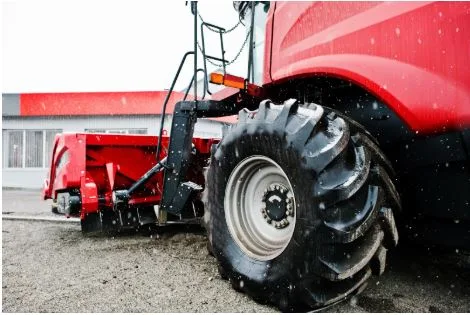
Maintaining the correct tyre air pressure is one of the simplest yet most impactful ways to improve tractor performance. Improper wheel pressure can lead to poor traction, uneven tyre wear, higher fuel consumption, and increased downtime. When agricultural equipment operates on challenging terrains and heavy loads, following proper air pressure standards becomes even more crucial.
This guide covers the most effective practices to ensure reliable performance, cost efficiency, and longer life of agricultural tyres and industrial compactor tires used across farming and industrial applications.
Why Proper Tyre Air Pressure Matters
Correct tyre pressure directly affects the tractor’s ability to carry loads, maintain grip, and achieve optimum fuel usage. Low pressure increases rolling resistance, while higher-than-recommended pressure reduces contact area, leading to slippage and vibration. Both conditions accelerate wear and reduce service life.
Best Practices for Tractor Tyre Air Pressure Management
1. Follow the Manufacturer’s Recommended Pressure Range
Every tyre model is engineered for specific performance parameters. Always refer to the recommended tyre air pressure values printed on the tyre sidewall or in the equipment manual. This ensures balanced pressure distribution and safe load handling while operating agricultural tyres on different terrains.
2. Adjust Wheel Pressure Based on Load
Tractor operations vary frequently—ploughing, tilling, hauling, and road travel require different contact areas. Heavy loads require higher air pressure for stability, while soft field operations require lower pressure to maximize grip and reduce soil compaction.
3. Monitor Temperature Influence
Tyre air pressure expands with heat and contracts in cold conditions. Always measure pressure when the tyres are cold to obtain accurate readings. Seasonal adjustments help preserve tyre structure and reliability under varying field conditions.
4. Check Tyre Pressure Regularly
Even well-maintained tyres lose natural pressure over time. Create a schedule to check pressure weekly or before major operations. Early correction avoids performance issues that develop during extended field tasks or road movement.
5. Use a Calibrated Pressure Gauge
Avoid relying on visual checks, as they are often inaccurate. A professional gauge ensures correct tire pressure measurement, minimizing technical errors and helping maintain optimal traction levels across tough agricultural landscapes.
6. Inspect Tyres for Damage, Punctures & Wear
Air leaks caused by cracks, valve damage, punctures, or bead problems can drastically reduce wheel pressure. Routine inspections help detect early damage and prevent unexpected tyre failure during peak operations.
7. Balance Pressure for Dual & Radial Tyres
On tractors with dual tyres or radial construction, ensure equal pressure distribution across all tyres. Uneven pressure increases vibration and reduces stability, placing unnecessary strain on the vehicle and agricultural equipment.
8. Store Tyres Properly When Idle
Seasonal machines often remain unused for months. Always store tyres filled at correct pressure in a dry area, away from direct sunlight or chemical exposure. This prevents structural degradation and extends tyre service life.
Common Signs of Incorrect Tyre Pressure
- Excessive vibration or bouncing
- Reduced traction, especially in wet fields
- Increased fuel usage
- Rapid or uneven tread wear
- Heavy steering or instability on slopes
Addressing these early indicators helps protect your investment in high-quality agricultural tyres and industrial compactor tires.
Benefits of tyre Air pressure
Conclusion
Effective tyre air pressure management is essential for improving tractor efficiency, safety, and operating performance. By following recommended pressure guidelines, performing regular checks, and adjusting based on surface conditions, users can maximize tyre lifespan and minimise operating costs. With agricultural tyres engineered for demanding conditions, TVS Eurogrip OHT supports operators in achieving correct pressure stability, smoother driving, better field productivity, and long-term savings for agricultural and industrial applications.
FAQs
How to check tyre air pressure?
To check tyre air pressure, use a calibrated digital or mechanical pressure gauge and measure pressure when the tyres are cold. Remove the valve cap, press the gauge firmly on the valve stem, and record the reading. Compare the reading with the recommended levels from the manufacturer. If low, inflate gradually and recheck to avoid over-inflation. Performing weekly checks ensures stable performance and longer tyre life.
What should my tire pressure be?
The ideal tyre pressure varies based on tyre size, vehicle load, field type, and operational speed. Always refer to the manufacturer’s recommended pressure range marked on the tyre sidewall or user manual. For field operations, pressure is usually lower to improve grip, while road travel may need higher pressure for stable handling and fuel efficiency. Maintaining the correct tire pressure prevents uneven wear and improves productivity.
Does tyre pressure affect tractor fuel consumption?
Yes. Under-inflated tyres increase rolling resistance, forcing the tractor engine to work harder. This leads to higher fuel usage and reduced efficiency. Proper pressure ensures smooth movement and optimal traction, reducing fuel costs.
How often should tyre pressure be checked?
Weekly inspections are recommended, along with additional checks before long-distance travel, heavy load transport, or seasonal usage. Frequent monitoring prevents unexpected breakdowns and premature wear.
Can incorrect tyre pressure damage agricultural tyres?
Incorrect pressure accelerates tread damage, affects sidewall strength, and can lead to premature tyre failure. It also reduces traction, increases operator fatigue, and impacts farm output. Maintaining correct pressure protects the tyre investment and equipment safety.