Acoustic Panel Walls: Enhancing Sound, Comfort, and Design
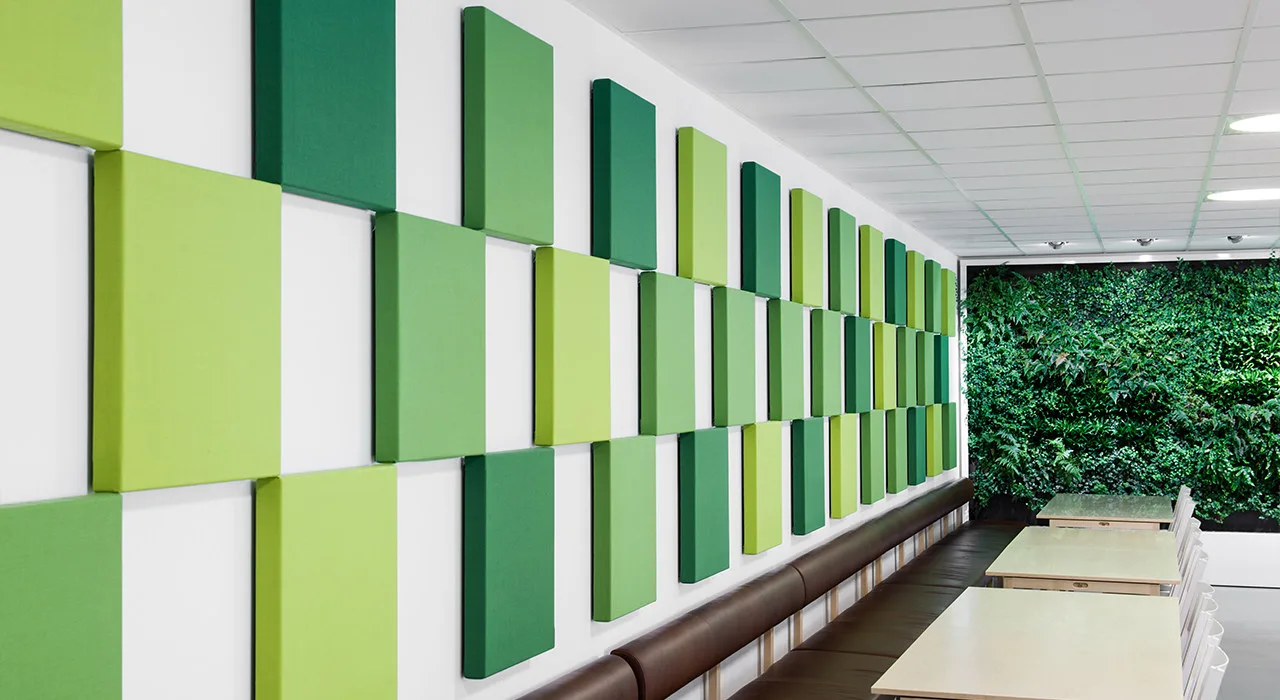
Sound plays a powerful role in how we experience a space. Whether it’s a home, office, studio, restaurant, or classroom, poor acoustics can lead to echo, noise fatigue, and reduced comfort. An acoustic panel wall is one of the most effective and visually appealing solutions for controlling sound within an interior environment. By improving sound clarity while enhancing aesthetics, acoustic panel walls combine performance with design.
What Is an Acoustic Panel Wall?
An acoustic panel wall is a wall surface treated with specially designed panels that absorb sound waves. Unlike standard walls that reflect sound and create echo, acoustic panels reduce noise by absorbing mid to high frequency sound energy. When installed across part or all of a wall, these panels significantly improve the acoustic quality of a room.
Acoustic panels are typically made from sound-absorbing materials such as mineral wool, foam, polyester fiber, or wood-based composites. They can be covered in fabric, wood slats, or decorative finishes, allowing them to blend seamlessly into modern interiors.
How Acoustic Panel Walls Work
Sound travels through the air as waves. When these waves hit hard surfaces like concrete, glass, or plaster, they bounce back into the room, creating reverberation and echo. An acoustic panel wall works by trapping these sound waves and converting them into small amounts of heat energy.
The porous structure of acoustic panels allows sound to enter the material rather than reflect off the surface. This absorption reduces reverberation time, improves speech intelligibility, and creates a more comfortable acoustic environment.
Benefits of Acoustic Panel Walls
Improved Sound Quality
One of the primary benefits of an acoustic panel wall is improved sound clarity. In rooms with echo, speech can sound muddy and music can lose detail. Acoustic panels help balance sound, making conversations clearer and audio more enjoyable.
Reduced Noise and Echo
Acoustic panel walls are highly effective at controlling echo and reducing overall noise levels. This is especially important in open-plan offices, meeting rooms, and busy commercial spaces where excessive noise can affect productivity and comfort.
Enhanced Comfort and Wellbeing
Constant noise and reverberation can lead to stress, fatigue, and difficulty concentrating. By improving acoustics, panel walls create calmer environments that support focus, relaxation, and wellbeing.
Aesthetic Appeal
Modern acoustic panel walls are designed to look as good as they perform. Available in a wide range of colours, textures, patterns, and finishes, they can become a striking design feature rather than a purely functional element.
Versatility Across Spaces
Acoustic panel walls are suitable for many environments, including homes, offices, studios, restaurants, schools, and hospitality spaces. Their flexibility makes them a popular solution for both residential and commercial interiors.
Types of Acoustic Panel Walls
Fabric-Wrapped Acoustic Panels
These panels feature sound-absorbing cores wrapped in fabric. They offer excellent acoustic performance and come in many colours and textures. Fabric panels are commonly used in offices, home theatres, and conference rooms.
Wooden Slat Acoustic Panels
Wooden slat panels combine timber aesthetics with acoustic backing. The slatted design allows sound to pass through to an absorbent layer behind, delivering both visual warmth and effective sound control. These panels are popular in modern homes, hotels, and creative spaces.
Foam Acoustic Panels
Foam panels are lightweight and highly absorbent. They are often used in recording studios and rehearsal rooms where precise sound control is required. While functional, they are usually less decorative than other panel types.
Polyester Acoustic Panels
Made from recycled PET materials, polyester panels are eco-friendly, durable, and safe. They offer good sound absorption and are available in various shapes and colours, making them ideal for contemporary designs.
Where Acoustic Panel Walls Are Used
Home Interiors
In homes, acoustic panel walls are often used in living rooms, home offices, and media rooms. They help reduce TV echo, improve music quality, and create quieter, more comfortable spaces.
Offices and Workspaces
Modern offices frequently suffer from noise issues due to open-plan layouts. Acoustic panel walls help manage sound, reduce distractions, and improve communication in meeting rooms and collaborative areas.
Recording Studios and Music Rooms
Acoustic control is essential in studios. Panel walls help achieve balanced sound, reduce reflections, and create accurate listening environments for recording and mixing.
Restaurants and Hospitality Spaces
Excessive noise can negatively impact customer experience. Acoustic panel walls help maintain a lively atmosphere without overwhelming guests, making conversations easier and spaces more enjoyable.
Schools and Educational Buildings
Clear communication is vital in classrooms and lecture halls. Acoustic panel walls improve speech intelligibility, supporting better learning outcomes.
Design Considerations for Acoustic Panel Walls
When planning an acoustic panel wall, several factors should be considered:
- Room size and layout – Larger spaces may require more coverage
- Purpose of the room – Speech-focused spaces need different treatment than music rooms
- Panel thickness and material – Affects absorption performance
- Placement – Strategic positioning maximises effectiveness
- Visual style – Panels should complement the overall interior design
Professional acoustic assessment can help determine the optimal solution, but many panel systems are also designed for easy DIY installation.
Installation and Maintenance
Acoustic panel walls can be installed using adhesives, mounting tracks, or mechanical fixings, depending on the panel type. Many modern systems are designed for straightforward installation with minimal disruption.
Maintenance is generally simple. Fabric and polyester panels can be vacuumed or gently cleaned, while wooden panels may require occasional dusting or polishing. With proper care, acoustic panel walls provide long-lasting performance.
Sustainability and Eco-Friendly Options
Sustainability is increasingly important in interior design. Many acoustic panel walls are now made from recycled or renewable materials. Panels using PET felt, responsibly sourced wood, and low-VOC adhesives contribute to healthier indoor environments and reduced environmental impact.
Why Choose an Acoustic Panel Wall?
An acoustic panel wall is an investment in comfort, functionality, and design. It transforms noisy, echo-filled rooms into balanced, pleasant spaces without sacrificing aesthetics. Whether the goal is improved productivity, better sound quality, or enhanced interior style, acoustic panel walls deliver measurable benefits.
Conclusion
Acoustic panel walls offer a powerful combination of sound control and visual appeal. By reducing echo, improving clarity, and enhancing comfort, they make spaces more enjoyable and effective. With a wide range of materials, styles, and applications available, acoustic panel walls are a versatile solution for modern living and working environments.
Whether installed in a home, office, studio, or commercial space, an acoustic panel wall creates a better listening experience—one that supports focus, communication, and overall wellbeing.