A Smarter Way to Approach Home and Land Maintenance
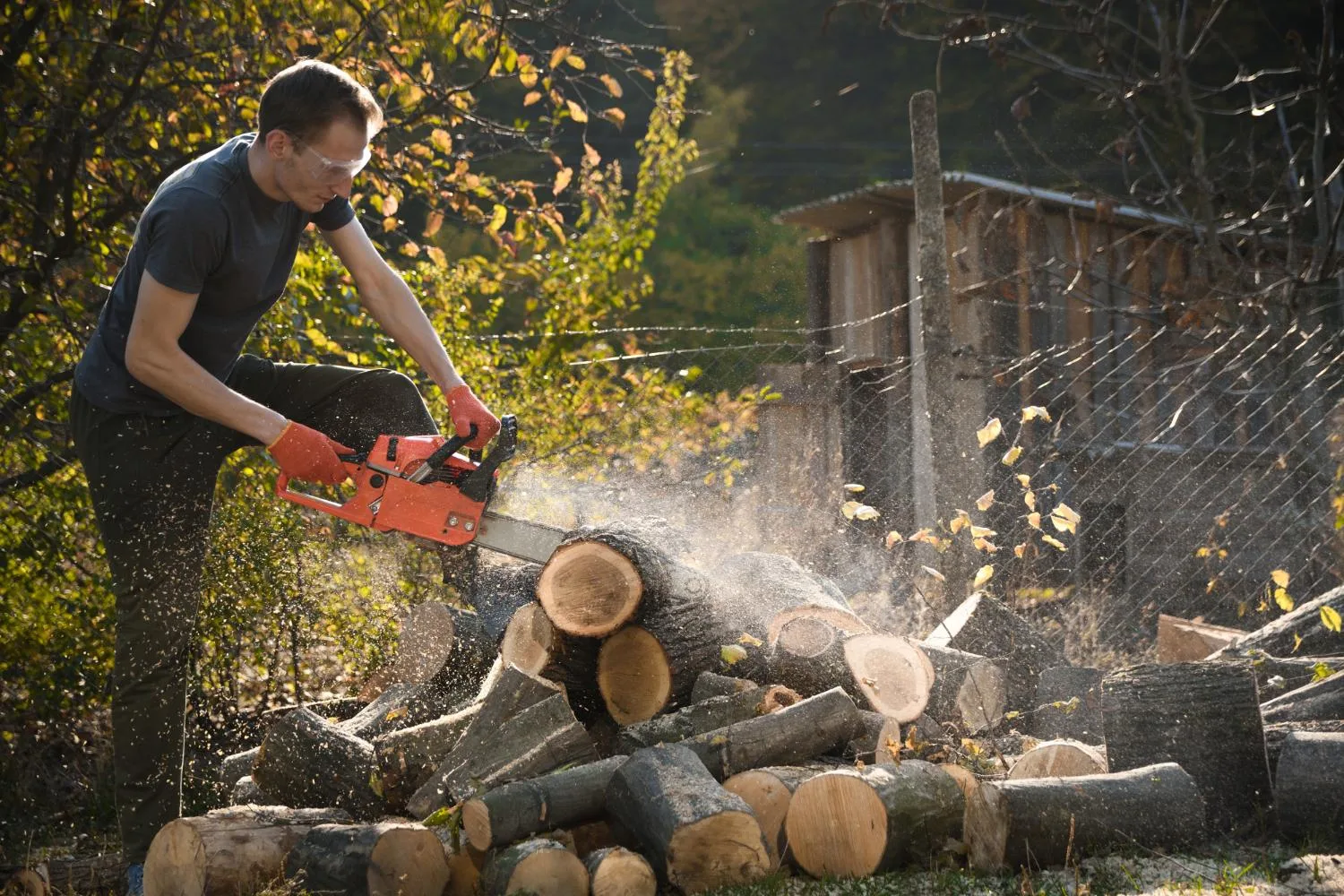
Home and land maintenance used to be defined largely by physical effort. Clearing a yard, fixing a fence, maintaining a long driveway, or managing a small plot of land often meant reacting to problems as they appeared and relying on whatever tools were on hand. Today, that mindset is steadily changing. More homeowners and property managers are realizing that effective maintenance begins long before any physical work starts. It starts with planning, sequencing, and understanding the scope of the project itself. Even something as simple as reviewing available resources through suppliers like equipment-outfitters.com/ has become part of that early decision-making phase, reflecting a broader shift toward preparation-first thinking.
This change is not about working harder or investing in excess. It is about approaching property care with intention, reducing wasted effort, and building routines that make maintenance more predictable and manageable over time.
Why Maintenance Has Become More Strategic
Modern home and land maintenance is shaped by several converging factors. Properties are more complex than they once were, with layered landscaping, drainage systems, outdoor structures, and mixed-use spaces that require different forms of upkeep throughout the year. At the same time, homeowners are more time-conscious. Fewer people have the luxury to dedicate entire weekends to reactive maintenance, which makes efficiency and foresight more valuable than raw effort.
Planning allows maintenance tasks to be grouped logically, timed correctly, and completed with fewer interruptions. Instead of responding to issues as emergencies, property owners can anticipate seasonal wear, soil changes, weather patterns, and usage demands. This shift reduces stress while extending the lifespan of both the land and the structures built on it.
The Cost of Reactive Maintenance
Reactive maintenance often feels productive in the moment. Something breaks, wears down, or becomes inconvenient, and the immediate response is to fix it as quickly as possible. Over time, however, this approach carries hidden costs. Rushed repairs are more likely to overlook underlying causes. Repeated fixes add up financially, and the physical toll of working under pressure increases the risk of injury or burnout.
Research from the Occupational Safety and Health Administration has consistently shown that rushed or unplanned physical work increases the likelihood of accidents, particularly when tasks involve uneven terrain, lifting, or machinery. This insight applies not only to industrial settings but also to residential and small-scale land maintenance. A slower, more deliberate approach often leads to safer outcomes and better results.
Planning as a Maintenance Skill
Planning is often overlooked as a practical skill, yet it is central to modern property care. Effective planning involves assessing the condition of the land and structures, understanding which tasks are urgent versus preventative, and determining the correct order in which work should be completed. For example, drainage issues should be addressed before resurfacing paths, and soil preparation should precede planting or fencing projects.
This approach reduces redundancy. Tasks are completed once, correctly, and with minimal disruption. Over time, this creates a maintenance rhythm that feels less overwhelming and more sustainable.
Seasonal Thinking and Long-Term Outcomes
One of the clearest benefits of a smarter maintenance approach is the ability to think seasonally. Weather patterns influence soil stability, vegetation growth, material wear, and access conditions. By aligning maintenance tasks with seasonal realities, property owners can avoid unnecessary strain and prevent damage before it occurs.
The U.S. Environmental Protection Agency emphasizes the importance of preventative land and property management to reduce erosion, runoff, and long-term environmental impact. Proactive maintenance not only protects individual properties but also contributes to healthier surrounding ecosystems. Planning ahead allows homeowners to work with natural cycles rather than against them.
Efficiency Without Overcomplication
A common concern is that planning adds complexity. In reality, thoughtful preparation simplifies maintenance. Knowing what needs to be done, when it should happen, and what resources are required reduces guesswork. It eliminates unnecessary trips, repeated work, and stalled projects.
Efficiency does not mean cutting corners. It means using time and effort where they matter most. When maintenance tasks are clearly defined, they become easier to execute and easier to repeat in the future. Over time, this consistency leads to better results with less effort.
Reducing Physical Strain Through Better Decisions
Physical strain is often accepted as an unavoidable part of home and land maintenance. While some effort is inevitable, many injuries and fatigue-related issues stem from poor sequencing and preparation. Lifting heavy materials multiple times, working in awkward conditions, or improvising solutions increases strain on the body.
A smarter approach focuses on reducing unnecessary exertion. Planning tasks in logical stages, setting realistic timelines, and preparing the workspace in advance can significantly reduce physical demands. This is especially important as more homeowners take on long-term property responsibilities later in life.
Maintenance as an Ongoing Process
Perhaps the most important shift is viewing maintenance as an ongoing process rather than a series of isolated projects. When property care is integrated into a long-term plan, each task supports the next. Improvements build upon one another instead of competing for attention.
This mindset transforms maintenance from a source of frustration into a manageable routine. Small, consistent efforts replace last-minute overhauls. Over time, properties become easier to care for, more resilient to wear, and more enjoyable to use.
A Measured Way Forward
A smarter approach to home and land maintenance does not require expert-level knowledge or constant upgrades. It requires attention, patience, and a willingness to plan before acting. By prioritizing preparation, understanding seasonal patterns, and focusing on efficiency, property owners can reduce costs, minimize risk, and achieve more reliable outcomes.
As maintenance expectations evolve, so does the definition of good stewardship. The future of property care lies not in reacting faster, but in thinking ahead.