Does Ashwagandha Help With Hair Growth? Science, Benefits, and How It Works
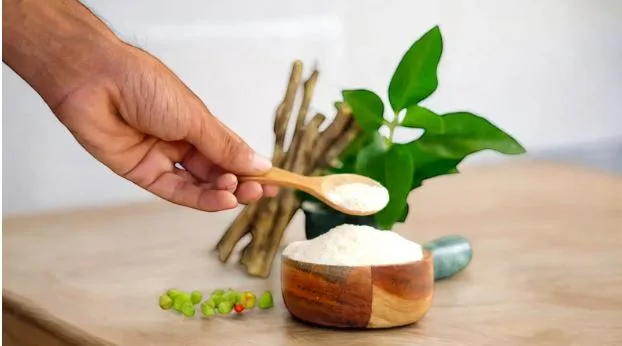
Hair loss is a common concern affecting both men and women across different age groups. Stress, hormonal imbalances, poor nutrition, and modern lifestyles often contribute to thinning hair and excessive shedding. As a result, many people are turning away from harsh chemical treatments and looking for natural, holistic solutions to support hair health.
One herb that has gained significant attention is ashwagandha. Known for its stress-reducing and balancing properties, this ancient plant is now frequently discussed in the context of hair care. But does ashwagandha help with hair growth, and what does science actually say? Let’s explore this question in detail.
What Is Ashwagandha?
Ashwagandha (Withania somnifera) is a medicinal herb traditionally used in Ayurveda, the ancient system of medicine originating in India. It is classified as an adaptogen—a natural substance that helps the body adapt to stress and maintain balance.
For centuries, ashwagandha has been used to support energy levels, resilience to stress, cognitive function, and overall vitality. The plant’s roots and leaves contain bioactive compounds known as withanolides, which are believed to be responsible for many of its health-related effects, including anti-inflammatory and antioxidant properties.
Does Ashwagandha Help With Hair Growth?
The short and honest answer is: ashwagandha may support hair growth indirectly, especially in people whose hair loss is linked to stress or hormonal imbalance.
Chronic stress is a well-known contributor to hair shedding. Elevated cortisol levels can disrupt the hair growth cycle, pushing hair follicles prematurely into the resting (telogen) phase. As an adaptogen, ashwagandha helps regulate the body’s stress response and may lower cortisol levels over time. By addressing one of the root causes of hair loss, it creates a more favorable environment for healthy hair growth.
So, while it is not a direct hair-growth stimulant, the question does ashwagandha help with hair growth can be answered positively when hair loss is stress-related or influenced by internal imbalances.
How Ashwagandha Supports Hair Growth
Reduces Stress and Cortisol
One of the most researched benefits of ashwagandha is its ability to reduce perceived stress and cortisol levels. Lower stress levels may help normalize the hair growth cycle, reducing excessive shedding and supporting long-term hair health. This stress-regulating effect is a key reason why ashwagandha hair growth benefits are often discussed.
Improves Scalp Blood Circulation
Healthy hair follicles require an adequate supply of oxygen and nutrients. Ashwagandha is thought to support overall circulation and vitality, which may indirectly improve blood flow to the scalp. Better circulation can help nourish hair follicles and support stronger, healthier strands.
Supports Hormonal Balance
Hormonal imbalances, including thyroid dysfunction and elevated androgens, can contribute to hair thinning. Ashwagandha has been studied for its potential role in supporting endocrine balance, particularly thyroid function. By helping the body maintain hormonal equilibrium, ashwagandha for hair may be especially relevant for individuals experiencing hormonally influenced hair loss.
Anti-Inflammatory and Antioxidant Effects
Inflammation and oxidative stress can damage hair follicles and impair growth. The withanolides in ashwagandha exhibit antioxidant and anti-inflammatory properties, which may help protect follicles from environmental and internal stressors, supporting healthier hair over time.
Scientific Evidence and Studies
Research on ashwagandha specifically for hair growth is still limited. However, several studies support its indirect mechanisms that are relevant to hair health. Clinical trials have shown that ashwagandha supplementation can significantly reduce stress and cortisol levels in adults. Other studies suggest benefits for hormonal regulation and antioxidant defense.
While these findings are promising, it is important to note that there are no large-scale clinical trials proving that ashwagandha alone causes hair regrowth. The current evidence suggests supportive potential rather than a guaranteed outcome. From a scientific perspective, ashwagandha may be best viewed as a complementary tool within a broader hair-care and wellness strategy.
How to Use Ashwagandha for Hair
Internal Use
Ashwagandha is commonly taken as capsules, tablets, or powder mixed into water, smoothies, or warm milk. These forms aim to support the body internally by reducing stress and improving overall balance, which may positively affect hair health.
External Use (Optional)
Some hair oils and masks include ashwagandha extract. While topical use may help condition the scalp and hair, scientific evidence for external application is limited compared to internal supplementation.
Dosage and Safety Disclaimer
Dosage varies depending on the product and concentration. General supplement ranges are often mentioned on product labels, but individual needs differ.
Disclaimer: Always consult a qualified healthcare professional before starting ashwagandha, especially if you are pregnant, breastfeeding, taking medication, or have a medical condition.
Who Can Benefit the Most?
Ashwagandha may be particularly beneficial for:
- People experiencing hair loss linked to chronic stress or anxiety
- Individuals with mild hormonal imbalances affecting hair health
- Those suffering from fatigue, burnout, or poor stress resilience
For these groups, addressing internal stress and balance may lead to noticeable improvements in hair quality over time.
Possible Side Effects and Safety
Ashwagandha is generally considered safe for most healthy adults when used responsibly. However, some people may experience mild side effects such as digestive discomfort, drowsiness, or headaches.
People who should avoid or use caution include:
- Pregnant or breastfeeding individuals
- Those with autoimmune conditions
- People with thyroid disorders (unless supervised by a professional)
As with any supplement, quality, dosage, and individual health status matter.
Conclusion
So, does ashwagandha help with hair growth? The evidence suggests that ashwagandha can support hair health indirectly by reducing stress, supporting hormonal balance, and protecting against inflammation and oxidative stress. It is not a miracle cure or guaranteed solution for hair loss, but it may play a valuable role in a holistic, wellness-focused approach to hair care.