How Digital Tools Support Better CLD Research
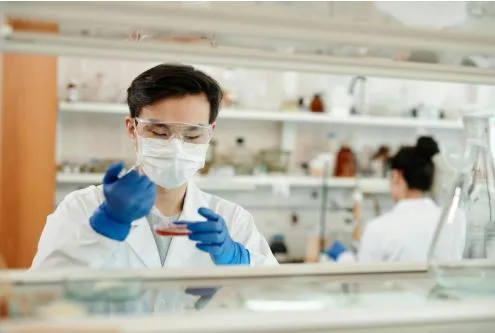
Imagine searching for a single, perfect cell. You need a cell that produces a life-saving antibody. This process is cell line development, or CLD. It is the crucial first step in making biologic drugs. Traditional CLD is slow. It is manual. It relies heavily on luck. Digital tools are changing this reality. They are transforming CLD from a tedious art into a precise, data-driven science. This shift means faster discoveries. It means more effective therapies. Let’s explore the digital revolution in the lab.
From Guesswork to Guided Workflows
Old-school CLD involved a lot of waiting and watching. Scientists manually screened thousands of colonies. They picked the ones that “looked good.” This process was subjective. It was inconsistent. Digital lab notebooks changed the game. These platforms let researchers design a precise screening protocol. Every step is documented digitally. The system can then guide the process. It can prompt a scientist for the next action. This ensures every cell line is treated exactly the same way. It removes human variability from the protocol. The data collected is clean and comparable from day one.
The Automation of Repetition
A huge part of CLD is repetitive tasks. Feeding cells. Transferring them to new plates. Testing their output. These tasks are perfect for automation. Robotic liquid handlers can manage thousands of cell cultures at once. They never tire. They never introduce contamination. This frees scientists for more complex analysis. Automation extends to assay steps too. After cells produce a protein of interest, scientists must test its concentration. This often uses an ELISA. A modern ELISA plate washer can be integrated into this automated workflow. It ensures flawless, hands-off processing of dozens of plates. This consistency is vital for reliable data.
Seeing the Unseeable: Advanced Analytics
Generating data is one thing. Understanding it is another. CLD produces massive datasets. Digital analytics tools make sense of this flood of information. Specialized software can analyze images of cell colonies. It measures their size and shape. It can even track single cells over time. These tools identify the top performers faster than the human eye ever could. They find subtle correlations between early growth patterns and final protein yield. This predictive power lets researchers select the best candidates earlier in the process. It shaves weeks off the development timeline.
The Power of Centralized Data
In the past, CLD data lived in many places. Notes were in paper notebooks. Spreadsheets were on individual computers. Instrument data stayed on local machines. This was inefficient. It was also risky. Digital platforms create a single source of truth. All data flows into a centralized system. Growth rates, viability readings, and productivity assay results are linked together. A scientist can see the entire history of a cell line in one dashboard. This connectivity is powerful. It allows for deeper investigation. If a promising cell line suddenly fails, researchers can trace back through every variable to find the cause.
Modeling and Simulation: Predicting Success
The most advanced digital tools do not just record history. They predict the future. Scientists can now use computational models. These models simulate cell behavior. Researchers can input data from early screening. The model can then predict long-term stability and productivity. This is a game-changer. It allows teams to “fail fast.” They can virtually test hundreds of hypothetical scenarios. They invest time and resources only in the cell lines with the highest simulated potential. This moves CLD from a screening process to a true engineering discipline.
Collaboration Without Borders
Modern drug development is a global effort. A research team in Boston might collaborate with a manufacturing team in Switzerland. Digital tools make this seamless. Cloud-based platforms host all CLD data securely. Authorized scientists anywhere in the world can access the same live information. They can annotate results. They can discuss findings in threaded comments attached directly to the data. This breaks down silos, ensuring everyone is working from the same playbook. It accelerates the handoff from research to development.
The Future: Closed-Loop Development
The end goal is a fully integrated, intelligent system. This is the concept of closed-loop development. Imagine a fully automated lab workstation. It images cells, selects the best ones, and transfers them. It then triggers an automated analyzer to test their output. The results feed directly into an AI algorithm. The algorithm decides which cells to passage next. It adjusts feeding schedules for optimal growth. This creates a self-optimizing cycle. Human scientists set the high-level goals. The digital tools execute and learn. This is the future of CLD. It is faster, smarter, and more reliable than ever before.
Digital tools are the new indispensable partner in CLD. They provide the precision, speed, and insight needed for modern biotherapeutics. They turn a bottleneck into a catalyst. The result is better cell lines, developed in less time. This means vital medicines can reach patients sooner. The digital lab is no longer a concept. It is the engine of discovery.