Hard Water Hair Struggles: How U.S. Tap Water Is Drying Out Your Ends and Fading Your Color
If your hair constantly feels dry at the ends, rough to the touch, or your salon color fades far faster than it should, the real culprit may not be the products you’re using — it may be your tap water. Across the United States, millions of households live with hard water, a type of water rich in minerals that cling to the hair and quietly cause damage over time. The symptoms often mimic product failure or “bad hair days,” but in reality, the water itself is working against you.
Understanding why U.S. tap water is so harsh — and how those minerals impact your hair — is the first step to restoring softness, shine, curl definition, and long-lasting color.
What Hard Water Really Is
Hard water simply means water with high levels of dissolved minerals, primarily calcium and magnesium. These minerals naturally accumulate as groundwater moves through rocks and soil, and because of regional geology, hard water is extremely widespread in the U.S. States like California, Texas, Arizona, Nevada, New York, Illinois, and Florida have especially high mineral content, but millions of households nationwide experience it daily.
You may recognize hard water by the white, chalky spots left on shower doors, faucets, or dishes. The same residue sticks to your hair — only much more stubbornly.
How Hard Water Damages Hair Over Time
- Mineral Buildup Creates Dry, Rough Ends
Every time you wash your hair, microscopic mineral particles cling to the strands. Over time, this creates a film that forces the cuticle to remain raised. Raised cuticles make hair feel dry, tangled, and brittle — especially at the ends where hair is already the most delicate. Because this buildup sits on the outside of the strand, conditioners and masks struggle to penetrate, leaving hair dehydrated no matter how much moisture you apply.
- Your Hair Color Fades Faster
Color-treated hair is particularly vulnerable to hard water. Minerals interfere with dye molecules, causing faster fading and unwanted tones. Blondes may notice brassiness, brunettes can develop a dull, matte look, and red shades often lose vibrancy long before the next salon visit. Many stylists estimate that hard water can reduce color longevity by as much as fifty percent.
- Your Scalp Suffers Too
Hard water doesn’t only affect the lengths — it also settles on the scalp. Mineral deposits combine with natural oils and product residue, creating buildup that’s difficult to remove. This can cause dryness, itchiness, flaking, and even a heavy or greasy feeling at the roots. While hard water doesn’t directly cause hair loss, buildup can clog follicles and make shedding more noticeable.
- Curls Lose Definition and Bounce
For curly and wavy hair, hard water can be especially frustrating. Minerals weigh curls down, stretch them out, and interfere with natural curl formation. The result is frizz, uneven patterns, and curls that look limp or undefined no matter how hydrating your products are.
How to Tell If Hard Water Is Damaging Your Hair
Most people don’t immediately connect their symptoms to their tap water, but there are several clear signs. If your conditioner suddenly feels like it “stops working,” if your hair becomes dry at the ends but oily at the roots, or if your color fades unusually fast, hard water is a likely explanation. Hair that tangles easily, feels stiff after washing, or lacks shine also points to mineral buildup. Many people spend months switching shampoos, masks, and oils before realizing that the water — not the products — is the problem.
How to Protect Your Hair From Hard Water Damage
- Clarify Regularly, But Not Too Often
Chelating or clarifying shampoos help remove mineral buildup and reset your hair. Formulas with EDTA, phytic acid, or citric acid are particularly effective. Using a clarifier every 1–3 weeks (depending on your hair type and softness level) can restore slip, shine, and manageability. After clarifying, always follow with deep hydration to recondition the cuticle.
- Deep Moisture Is Essential
Hard water strips natural moisture, so restoring hydration is crucial. Weekly moisture masks, nourishing conditioners, and leave-ins help smooth the cuticle and keep strands flexible. Oils like argan, jojoba, or coconut can create a protective barrier that limits mineral adhesion during the next wash.
- Shower Filters Can Make an Immediate Difference
Installing a shower filter is one of the most effective ways to reduce the harshness of hard water. While filters don’t remove every mineral, they significantly lower chlorine, heavy metals, and particulate matter, making the water gentler on both hair and skin.
- Use the Right Detangling Tools
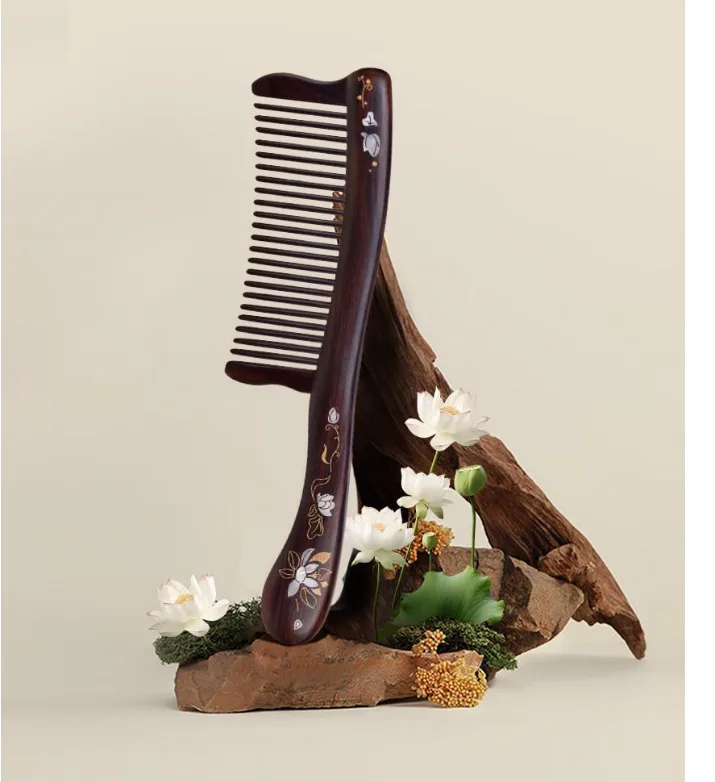
Mineral-coated strands are more prone to friction, so using gentle tools matters. A wide tooth wooden comb glides more smoothly and distributes natural scalp oils more evenly than plastic combs. Wooden combs also reduce static and help maintain softness between washes.
Conclusion: You Can Restore Soft, Healthy Hair — Even With Hard Water
Hard water may be one of the most frustrating hidden causes of dryness, fading color, and unmanageable ends, but the problem is completely manageable once you understand what’s happening. With consistent clarifying, hydration, gentle tools, and small adjustments to your wash routine, your hair can become softer, shinier, and easier to style — even in the hardest-water regions of the U.S.
The key is not fighting your water, but learning how to support your hair so it can thrive in spite of it.