What Happens to Your Scalp After Two Days of No Washing on Busy Weekend
Life gets hectic on weekends. Between errands, gatherings, last-minute plans, and the moments when you finally slow down, washing your hair is often the first thing to fall off the schedule. Many people go two days or more without cleansing their scalp, especially when they want to stretch wash days, protect their hair from overwashing, or simply enjoy the freedom of downtime. Yet even though skipping a wash is common and completely normal, your scalp goes through very real changes during those forty-eight hours — changes you might not notice but certainly feel.
Understanding what happens to your scalp during a no-wash weekend can help you care for it better, prevent discomfort, and keep your hair looking and feeling fresh even on your busiest days.
The First 24 Hours: Your Scalp Begins Rebalancing Itself
After the last wash, the scalp immediately begins to rebuild its natural oil layer. Shampoo removes sweat, residue, and buildup, but it also removes some of the protective sebum your scalp relies on. As soon as cleansing is over, your sebaceous glands start working again, restoring the moisture barrier. During the first day, this process is still controlled and gradual. The scalp feels normal for most people, although some may experience a slight tightness, especially around the hairline or crown. This is simply your scalp adjusting to the new balance after cleansing.
Environmental factors also begin influencing your scalp. Dust, pollen, pollution, and natural sweat settle into the roots as you go about your day. You may not see or feel it yet, but this is the beginning of early buildup — the type you normally rinse out during a daily or every-other-day wash routine.
By Day Two: Oil Movement and Buildup Become Noticeable
Once the second day arrives, the scalp’s natural oil travels farther from the roots. On straight or wavy hair, this movement becomes visible as a slight separation or sheen at the roots. For curly and coily hair, the oil may remain mostly at the scalp, but the scalp itself can begin to feel heavier or warmer. This is the point when many people instinctively reach for dry shampoo or pull their hair back.
Sweat also starts mixing with sebum. Whether you ran errands, walked outside in the sun, cleaned the house, worked out, or simply slept under a warm blanket, the combination of natural oils and sweat creates a texture that feels stickier than it did on Day One. This doesn’t mean your scalp is dirty — it simply means your natural microbiome is active. A healthy scalp contains bacteria and yeast that thrive in warm, humid environments. When sweat and oil mix, the microbiome becomes more noticeable, which is why some people begin to detect a mild scalp odor after two days. This is normal biology, not poor hygiene.
Another change happening beneath the surface is the buildup of dead skin cells. The scalp sheds daily, but when you skip a wash, those cells remain longer on the surface. They mix with oil and sweat and may create light flaking or mild itchiness. Many people mistake this for dandruff, but it’s simply part of the natural renewal cycle happening without its usual reset.
Is Going Two Days Without Washing Bad?
Not at all. In fact, dermatologists rarely recommend daily washing unless someone has a specific scalp concern. Many people benefit from spacing out wash days because it allows the scalp to maintain a healthier moisture barrier. Going forty-eight hours without shampoo is perfectly normal and, for some hair types, beneficial.
However, the changes happening during these two days explain why your scalp sometimes feels uncomfortable or “different” even when skipping a wash is part of your routine. The combination of oil movement, sweat, product buildup, and natural microbiome activity becomes more pronounced on Day Two, leading to sensations such as heaviness, itchiness, or oiliness at the roots. None of these are harmful, but they can influence how your hair behaves.
How to Keep Your Scalp Comfortable When You Skip Wash Days
Even on busy weekends, a few simple habits can help your scalp feel balanced without committing to a full wash.
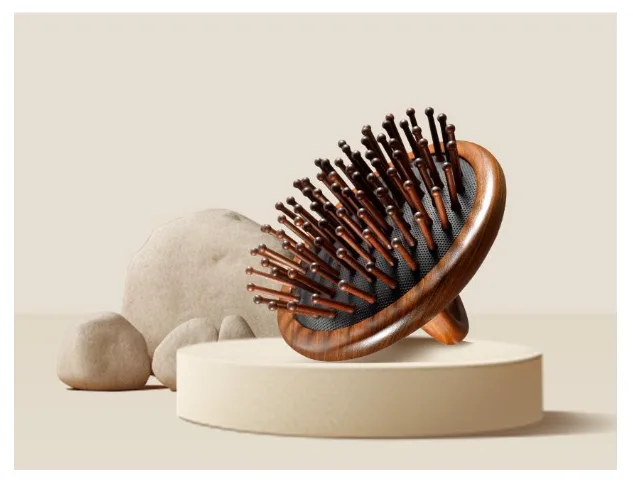
A gentle scalp massage is often enough to relieve tightness and improve circulation. Using your fingertips or a wooden scalp massager, you can lightly lift oil and stimulate airflow at the roots without triggering excess sebum production. This keeps the scalp comfortable and reduces the heavy feeling that sometimes appears on Day Two.
Refreshing your hair with a light mist of water is also effective. Water reactivates natural oils and softens product residue, helping your hair regain movement. Many people rely only on dry shampoo, but using it alone can contribute to more buildup. A simple mist followed by gentle fluffing can make your scalp and hair feel much cleaner without an actual wash.
Protecting the hairline is another helpful step. If you sweat easily, dabbing your hairline throughout the day prevents sweat from drying and mixing heavily with oil. This small habit can make a noticeable difference in scalp comfort. And when it comes to keeping your roots fresh, using a gentle tool matters. A wooden wide-tooth comb can redistribute natural oils from the scalp to the mid-lengths, preventing oil concentration at the roots while nourishing dry ends.
Finally, your sleeping environment plays a surprisingly important role. Pillowcases absorb oil quickly. If you haven’t washed your hair in two days, a fresh pillowcase can help your scalp feel cleaner and minimize buildup overnight.
Conclusion: Two Days Without Washing Is Normal — But Your Scalp Does Change
Skipping a wash over a busy weekend won’t harm your scalp, but it does go through a series of natural changes. Oil shifts, sweat accumulates, the microbiome activates, and product buildup becomes more noticeable. None of this means your scalp is unhealthy — it simply means it is functioning the way it should between wash cycles. With gentle refreshing habits, mindful tools like wooden combs, and a consistent routine that supports scalp comfort, you can easily stretch your washes without feeling greasy or uncomfortable.