How Smart Homeowners Reduce Repair Costs: Practical Tips for Extending the Life of Home Appliances
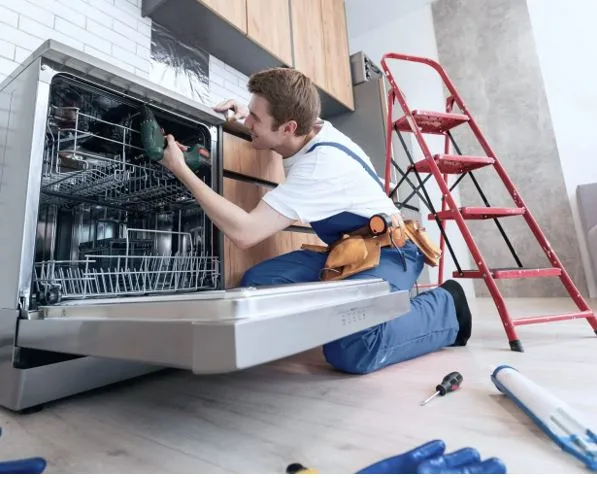
The cost of household appliances has been steadily rising over the past decade. Refrigerators, washers, dryers, and ovens are no longer simple mechanical devices — they’re complex systems with electronics, sensors, and energy-saving components that are expensive to replace. At the same time, many homeowners unintentionally shorten the life of their appliances through everyday habits that seem harmless.
Preventive care is one of the simplest ways to prevent expensive repairs and avoid sudden breakdowns. Regular maintenance often costs little to nothing, yet it can add years to an appliance’s working life. Unfortunately, the most common user mistakes — overloading machines, skipping cleaning routines, or ignoring early warning signs — usually lead to the most costly failures.
Smart homeowners understand one thing: it’s cheaper to maintain than to replace. And they act before small issues turn into major repairs.
Why Appliances Break So Often Today
Modern appliances are efficient, quiet, and feature-rich — but they’re also more vulnerable than older models.
Modern Materials and Construction
To improve energy efficiency and reduce manufacturing costs, many appliances now use lighter materials and compact designs. While this helps lower energy bills, it also means components wear out faster if not properly maintained.
Overheating Issues
Poor ventilation, clogged filters, and dust buildup cause motors and heating elements to overheat. Overheating is one of the leading reasons appliances fail prematurely.
Incorrect Usage
Using appliances in ways they weren’t designed for — such as overloading a washer or running a dryer with blocked airflow — puts constant stress on internal components.
Voltage Fluctuations
Power surges and unstable voltage can damage electronic control boards. This is especially common in areas with older electrical infrastructure or frequent outages.
Understanding these causes helps homeowners focus on the right appliance maintenance tips instead of reacting after something breaks.
Most Common Household Appliance Issues (With Examples)
Some problems appear again and again across homes. Recognizing them early can help you extend appliance lifespan significantly.
- Refrigerators not cooling
Often caused by dirty condenser coils, failing fans, or damaged door seals. - Dryers overheating
Usually the result of clogged lint filters or blocked exhaust vents, creating a serious fire risk. - Washing machines leaking
Commonly linked to worn hoses, loose connections, or overloading the drum. - Dishwashers leaving residue
Caused by clogged spray arms, incorrect detergent use, or dirty filters. - Ovens heating unevenly
Frequently related to faulty heating elements, temperature sensors, or poor calibration.
These common appliance problems often start small — and that’s exactly when they’re cheapest to fix.
How to Prevent Expensive Repairs: Expert Tips
Consistent maintenance doesn’t require technical skills. It requires habits.
Cleaning Filters Regularly
Filters trap lint, grease, food particles, and dust. When they clog, airflow and water circulation suffer.
- Clean dryer lint filters after every load
- Rinse dishwasher filters monthly
- Check washer pump filters every few months
Avoiding Overloads
Overloading strains motors, belts, and bearings. Follow manufacturer capacity guidelines — they exist for a reason.
Checking Seals and Gaskets
Damaged door seals on refrigerators and ovens cause temperature loss, forcing appliances to work harder. Inspect them for cracks, looseness, or mold.
Leveling the Appliance
An unlevel washer or refrigerator vibrates more, wears parts unevenly, and may leak. A simple bubble level can prevent long-term damage.
Using Proper Detergents
Using too much or the wrong type of detergent leads to residue buildup, clogs, and sensor issues — especially in high-efficiency machines.
These small actions dramatically prevent expensive repairs and reduce energy waste.
When DIY Is Safe — And When You Should Call a Professional
Not every issue requires a technician — but knowing the difference matters.
Safe DIY Situations
- Cleaning filters and vents
Regular cleaning is safe and essential. - Replacing simple hoses or seals
As long as water and power are disconnected. - Leveling appliances
A low-risk task with big benefits.
Situations Requiring a Technician
- Electrical issues or control board failures
Risk of shock and further damage. - Gas appliance problems
Any gas smell or ignition issue requires immediate professional help. - Repeated overheating or burning smells
Indicates serious internal failure or fire risk.
Calling for professional appliance repair early often costs far less than waiting until total failure.
Resources for Quick, Reliable Help
Even with excellent maintenance, appliances eventually need expert attention. When that happens, fast and qualified service makes all the difference.
For homeowners who prefer fast, professional service, lowl.net provides licensed appliance repair technicians in Southern California. Working with trained specialists ensures accurate diagnostics, safe repairs, and long-term solutions — not temporary fixes.
Reliable appliance repair Southern California services help homeowners get back to normal without unnecessary stress or repeat breakdowns.
Conclusion
Preventive care is not about perfection — it’s about consistency. Simple habits like cleaning filters, avoiding overloads, and responding early to warning signs can save thousands of dollars over time.
Smart homeowners don’t wait for appliances to fail. They understand that prevention equals long-term savings, better performance, and fewer emergencies.
The smartest move is acting early — before a small issue becomes a costly repair.