How Reshoring Is Reviving US Craft Manufacturing
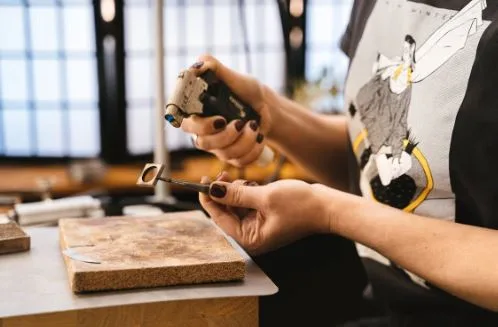
Reshoring is the process of bringing manufacturing and production back to a company’s original home country after previously moving it abroad. While the concept applies globally, the United States has become one of the most active reshoring markets in recent years.
As companies return production to their home base, they are unintentionally fueling a renaissance in American craft manufacturing.
This shift is breathing new life into small workshops, heritage trades, and artisan skills that were once overshadowed by mass overseas production.
Why Reshoring Is Picking Up Speed
Reshoring isn’t happening because of one single factor. Instead, it’s the result of several economic and cultural shifts that are aligning at the same time.
Economic Motivations
In a study by Today’s Medical Developments, researchers noted that more than 244,000 U.S. manufacturing jobs were announced in 2024. This increase came as companies sought to reduce supply chain risks, gain tighter control over quality, and shorten long delivery timelines.
Although the report looked at broad manufacturing trends, the benefits have spilled over into smaller craft-based businesses that supply components, hardware, materials, or custom work to reshoring manufacturers.
A Renewed Appreciation for Heritage Craftsmanship
Reshoring has also coincided with a cultural resurgence in valuing well-made, long-lasting goods.
According to research from Business Facilities, companies returning production to their home markets are reacting not only to logistics challenges but also to growing consumer demand for authentic and ethically produced items.
This renewed interest elevates the role of artisans who specialize in craftsmanship that simply can’t be replicated in mass offshore factories.
Technology Empowering Small Makers
High-tech investment is one of reshoring’s biggest accelerators. Tools like compact CNC machines, small batch automation, and advanced design software help craft manufacturers scale production without sacrificing the human skill at the heart of their work.
Traditional craftsmanship and modern tools are no longer at odds; in fact, together they make domestic production more competitive.
How Reshoring Is Boosting U.S. Craft Manufacturing
As reshoring revives domestic production, the ripple effects reach some of the country’s most specialized crafts.
Reviving Historic and Artisanal Trades
Industries rooted in America’s early building and design traditions are finding new relevance.
Metalworkers, woodworkers, ceramic studios, leatherworkers, and textile artisans are receiving more requests from companies looking for small batch, finely crafted components that can’t be mass-produced.
One example is Old West Iron, a company known for hand-forged wrought iron hardware and one-of-a-kind designs that are crafted in-house.
Their work reflects the type of authenticity and craftsmanship that reshoring manufacturers increasingly seek out.
Businesses like this fill the gap that large-scale factories are unable to solve.
Filling Production Needs That Big Factories Overlook
Smaller manufacturers tend to excel at custom orders and quick adjustments.
With reshoring often focused on agility rather than mass volume, this flexibility gives craft businesses an important advantage. They can take on work that requires personalized attention, unusual specifications, or artistic detail.
Local Knowledge and Traditional Skills Gain New Value
Many companies returning to domestic production seek suppliers who are familiar with local materials, historical building styles, or region-specific craftsmanship.
This trend is reviving techniques that might otherwise fade, encouraging artisans to pass those methods down through apprenticeships or small team training.
Rebuilding Communities Through Craft
When small craft firms grow in response to reshoring demand, two things often happen:
- They hire and train new artisans.
- They help preserve legacy skills within their communities.
The Broader Future of Reshoring and Craft
Reshoring isn’t expected to slow down any time soon. Many reports show ongoing growth in domestic production capacity. Plus, high-tech and artisanal sectors are becoming increasingly interconnected.
Collaboration Between Modern Manufacturers and Artisans
Companies producing goods domestically often want components with character, story, and quality. This is driving more partnerships between engineers, architects, designers, and artisans who bring old-world craftsmanship into modern projects.
It’s a blending of skill sets that gives U.S.-made products a unique identity.
Craftsmanship as a Competitive Advantage
Beyond cost or speed, craftsmanship itself is becoming a selling point. Buyers appreciate products made with intention and story.
Whether it’s a decorative hinge, a custom steel bracket, or a hand-poured ceramic piece, the human touch adds value that mass production simply can’t imitate.