Turning Storm Damage Into Showroom Perfection With Hail Dent Repair
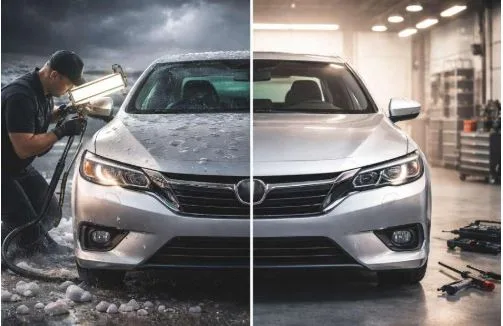
Hailstorms can strike with little warning, leaving a trail of storm damage that affects thousands of vehicles every year. The combination of strong winds and rapidly falling ice leads to extensive dents, dings, cracked windshields, and damaged body panels. For vehicle owners, this sudden hail storm damage can mean not only a cosmetic setback but also potential long-term consequences for the car’s resale value and structural integrity.
The auto repair industry has developed multiple solutions to restore vehicles to their pre-storm condition. Major hail damage often affects the roof, hood, trunk, and fenders of vehicles due to the perpendicular exposure of these areas during a storm. Door dent repair and roof hail damage typically require specialized dent removal techniques to ensure a seamless finish. The unique composition of modern metal panels—lighter, more flexible, and designed for energy absorption—means that even relatively minor impacts can leave noticeable car dents that are challenging to address with traditional methods.
Common Types of Hail Damage: Dents, Dings, and Beyond
When it comes to hail damage repair, understanding the extent and type of damage is crucial. Most storm damage appears as shallow dents and dings along the car surface. These can range from minor dent removal cases, such as small pebble-sized indentations, up to deep fender hail dents that distort the car’s body lines and require more advanced body panel and panel repair strategies.
- Minor Dents: Superficial impacts that only affect the outer metal panel, making them ideal candidates for paintless dent repair (PDR).
- Body Line Dent: When a hailstone strikes a structural crease or edge on a car panel, it complicates the repair process and demands highly skilled technicians to restore factory contours.
- Roof Hail Damage: As one of the most common forms of auto body storm damage, roofs often bear the brunt of a hailstorm, necessitating careful body prep and, at times, unique PDR tools and cold glue techniques to avoid grinding or sanding.
While some consumers may attempt DIY dent repair using dent repair kits or even order PDR tools from Amazon or YouTube-influenced brands like Little Golden Hammer, professional dent removal still offers the most reliable, scratch free repair and maintains the integrity of the car bodywork.
The Importance of Prompt Hail Dent Repair
Addressing hail damage repair quickly following a storm is vital for several reasons. Unattended dents can lead to:
- Corrosion Risks: Cracks or chips in the car painting layer from hail can expose metal panels to moisture, accelerating rust and compromising the vehicle’s safety.
- Decreased Resale Value: A vehicle marred by visible dents and unresolved collision repair issues faces significant depreciation.
- Insurance and Shop Estimate Deadlines: Insurers often require claimants to estimate hail damage and pursue automotive dent repair within specific timeframes; delays can increase the cost of hail repair or even result in denied claims.
Moreover, neglecting car maintenance following hail storm events may turn a straightforward, paint free dent repair into a costly auto body restoration project involving major panel beating, possible car painting, and lengthy vehicle restoration times. Professional dent repair centers—like those led by industry leaders such as Legacy Dent Co., Gemini Dent Repair, and PHARRAWAY—employ highly skilled technicians with advanced PDR training and repair skills to manage varying degrees of storm damage efficiently.
The Hail Dent Repair Process: Step by Step
The professional hail dent repair journey is a meticulous, multi-stage repair process that transforms storm-damaged vehicles into showroom perfection. Here’s how top-tier auto repair businesses approach hail damage restoration:
1. Comprehensive Damage Assessment
A skilled technician will first estimate hail damage, using specialized lighting and measuring tools. The shop estimate phase identifies the location, depth, and severity of each dent—especially critical for identifying body panel or car panel weaknesses caused by major hail damage.
2. Disassembly and Body Prep
Where necessary, internal trim, headliners, or fixtures are removed to provide unimpeded access to the backside of the metal panel. Modern car bodywork designs may require advanced PDR techniques, and proper body prep ensures no interference during dent removal.
3. Paintless Dent Repair (PDR) Application
Professional dent repair involves a suite of PDR tools, glue pulling methods, and cold glue techniques to manipulate and restore the car surface. For complex dents, glue pulling is ideal, especially in areas where traditional rods cannot reach. Highly trained technicians from schools like PDR Training and MasterOfNone know the best repair techniques for every scenario.
a.Glue Pulling vs. Tool Access
Glue pulling is especially valuable for roof hail damage and certain body line dents, providing a non-invasive repair that doesn’t require drilling or open access behind the panel. Experienced shops, such as Dentless Touch and Dent Discount, invest in repair kit review sessions to determine the best approach for their auto body repair workflow.
4. Panel Inspection and Finishing
After the main dent removal stage, the body shop inspects panels under specialized lighting to ensure complete car dent eraser results. For remaining imperfections, minor dent removal techniques, blending, and light sanding may be applied (though grinding is avoided in paintless repair).
5. Reassembly and Final Quality Control
Panels, trims, and interiors are restored, ensuring all mechanical and cosmetic elements return to factory standards. The best auto repair facilities, including those featured on YouTube automotive repair channels like CashedOutCars, Samcrac, and Kandy Man, emphasize showroom-level car restoration.
With modern developments in hail dent repair, vehicle owners can confidently turn the aftermath of a severe hail storm into an opportunity for comprehensive vehicle restoration. Trusting a PDR expert not only reinstates their vehicle’s visual appeal but also ensures the longevity and performance of its automotive bodywork. In today’s auto repair industry, the right blend of training, repair skills, and cutting-edge repair techniques results in outcomes that truly live up to “showroom perfection.”
Tools and Techniques: How Specialists Restore Perfection
Hail dent repair specialists rely on a blend of advanced tools, professional experience, and refined repair techniques to ensure high-quality results. Whether the vehicle has suffered light or major hail damage, the primary objective remains: to return the body panel and car surface to its original condition—without compromising paint, structure, or value.
-
Essential Tools of the Trade
a. Dent Removal and PDR Tools:
Paintless dent repair (PDR) experts utilize an array of instruments, from metal rods to “dent repair kit” gadgets commonly reviewed on YouTube by creators like Bondo Billy and Samcrac. These specialized tools allow technicians to flexibly access and restore both visible and hidden dents on auto body panels.
b. Glue Pulling Systems:
Glue pulling, often featured in PDR Training courses and repair kit reviews, is a cornerstone method for hail damage repair. Using specialized PDR tools like cold glue or hot glue tabs, a technician adheres to the car surface from the exterior—an optimal strategy for panels where traditional access is limited. This technique is particularly effective for minor dent removal and storm damage on roofs or door panels.
c. Lighting and Reflection Equipment:
PDR experts such as those from Legacy Dent Co. and Top Gun PDR emphasize the role of accurate lighting and reflective boards. These tools help pinpoint the subtleties of body line dent issues and ensure that every automotive dent has been addressed with precision.
d. Finishing Tools:
Body prep steps—including gentle grinding, light sanding, and buffing—are occasionally used to blend and finish the car bodywork without compromising paint free dent repair principles. Such finesse distinguishes a skilled technician and underlines the importance of professional dent repair.
-
Advanced Repair Techniques
Mastery in the repair process takes extensive PDR training and practical experience with diverse vehicles and damage scenarios. Professional dent repair shops, such as Gemini Dent Repair and Dent Discount, often demonstrate repair techniques like panel beating for more complex dents, and glue pulling for delicate metal panel work. Panel repair is conducted with care to preserve the original car painting, maintain scratch free repair results, and return panels to factory specifications.
The overall repair skills involved in high-level automotive repair stem from years of PDR expert training, hands-on shop sessions, and continual learning—often documented by the MasterOfNone or Dentless Touch channels for community education and best practices sharing.
Key Takeaways
-
- Professional hail dent repair, especially using advanced PDR techniques, effectively removes dents without damaging paint or requiring car painting.
- Key tools for hail damage repair include PDR tools, glue pulling systems, reflection lights, and specialized dent removal equipment for a flawless result.
- The cost of hail repair depends on damage severity, location, and repair methods; most comprehensive insurance covers hail dent repair after storm damage.
- Choosing an experienced, well-trained dent repair specialist ensures superior restoration, often with a warranty for peace of mind.
- Preventative strategies—like covered parking and prompt repairs—minimize the need for future auto body restoration after hail storms.