The Value of Hiring a Professional Concrete Contractor
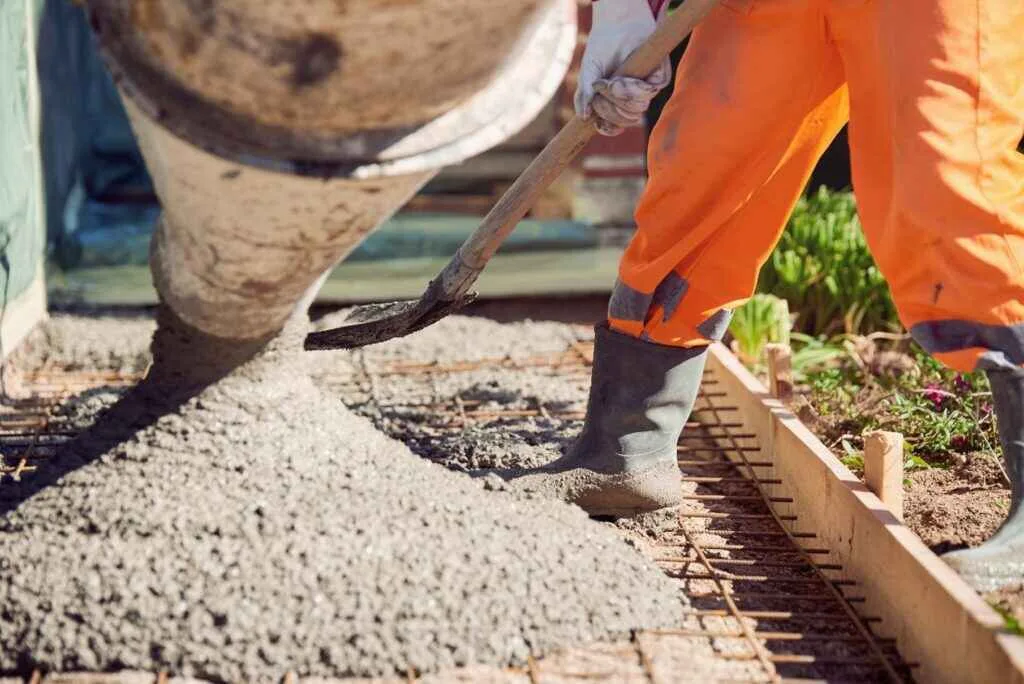
Concrete is one of the most widely used construction materials in the world—and for good reason. It is strong, durable, versatile, and cost-effective. From residential driveways and patios to large-scale commercial foundations and industrial flooring, concrete plays a critical role in both structural integrity and aesthetic appeal. However, achieving long-lasting, high-quality results requires more than just mixing cement and water. This is where a professional concrete contractor makes all the difference.
What Does a Concrete Contractor Do?
A concrete contractor specializes in the installation, repair, and maintenance of concrete surfaces and structures. Their work includes planning, site preparation, forming, pouring, finishing, curing, and sealing concrete. Professional contractors understand how soil conditions, weather, load requirements, and design choices impact the final product.
Concrete projects can range from small residential jobs—such as sidewalks, steps, and slabs—to complex commercial and industrial applications. Regardless of size, precision and experience are essential to ensure the concrete performs as intended for decades.
Residential Concrete Services
Homeowners often choose concrete for its durability and low maintenance. A skilled concrete contractor can enhance both the function and appearance of your property.
Common residential services include:
- Driveways: Concrete driveways offer superior strength compared to asphalt and can last 30 years or more with proper installation.
- Patios and Walkways: Custom finishes such as stamped or colored concrete add beauty while maintaining durability.
- Foundations and Slabs: A properly poured foundation is critical to the safety and longevity of any structure.
- Steps and Curbs: Precision forming ensures safety, code compliance, and visual appeal.
A professional contractor ensures correct grading, reinforcement, and finishing—preventing issues such as cracking, uneven settling, or water pooling.
Commercial and Industrial Concrete Solutions
Commercial concrete work demands a higher level of planning, coordination, and technical expertise. These projects must meet strict building codes, load requirements, and safety standards.
Commercial and industrial concrete services often include:
- Parking lots and loading docks
- Warehouse and factory floors
- Office building foundations
- Sidewalks, ramps, and ADA-compliant surfaces
- Retaining walls and structural elements
An experienced concrete contractor understands scheduling constraints, heavy-duty reinforcement requirements, and the importance of minimizing downtime for businesses.
The Importance of Proper Site Preparation
One of the most common causes of concrete failure is poor site preparation. Before any concrete is poured, the contractor must evaluate soil conditions, ensure proper compaction, and install a stable base.
Professional contractors take the time to:
- Remove unsuitable soil
- Compact subgrade properly
- Install gravel or other base materials
- Set accurate forms and elevations
These steps are often invisible once the project is complete, but they are essential to preventing cracks, sinking, and premature wear.
Concrete Finishing and Aesthetic Options
Concrete is no longer limited to plain gray surfaces. Modern finishing techniques allow contractors to create visually striking designs that complement any property.
Popular concrete finishes include:
- Broom finish for slip resistance
- Smooth trowel finish for interior floors
- Stamped concrete that mimics stone, brick, or wood
- Exposed aggregate for texture and durability
- Colored concrete for custom design appeal
A knowledgeable contractor helps clients choose the right finish based on usage, environment, and design preferences.
Durability, Maintenance, and Longevity
Concrete is known for its longevity, but only when installed correctly. Professional concrete contractors use proper mix designs, reinforcement (rebar or wire mesh), and curing techniques to maximize strength.
Proper curing is especially important. Contractors control moisture and temperature during the curing process to prevent surface defects and cracking. Many also apply sealants to protect against water intrusion, chemicals, freeze-thaw cycles, and staining.
With professional installation and basic maintenance—such as periodic sealing—concrete surfaces can last several decades.
Safety and Code Compliance
Concrete work involves heavy materials, specialized equipment, and strict safety requirements. Professional contractors follow industry safety standards to protect workers, property owners, and the public.
Additionally, experienced contractors ensure all work complies with local building codes and regulations. This is especially important for foundations, sidewalks, and commercial projects where inspections and permits are required.
Hiring a licensed and insured concrete contractor reduces liability and ensures peace of mind throughout the project.
Why Choose a Professional Concrete Contractor?
While DIY concrete projects may seem appealing, improper installation can lead to costly repairs or replacement. Cracking, uneven surfaces, poor drainage, and structural failure are common results of inexperienced work.
A professional concrete contractor provides:
- Expert planning and execution
- High-quality materials and equipment
- Skilled craftsmanship and attention to detail
- Reliable timelines and clear communication
- Long-term value and durability
Investing in professional concrete services ensures your project is built to last—both structurally and visually.
Conclusion
Concrete is a foundational element of modern construction, offering unmatched strength, versatility, and value. Whether you are a homeowner upgrading your driveway or a business owner planning a large-scale commercial project, working with an experienced concrete contractor is essential.
From site preparation and finishing to safety and longevity, professional concrete contractors bring the expertise needed to deliver high-quality results. When done right, concrete is more than just a surface—it’s a long-term investment in your property’s performance and appearance.