Why International Grocery Stores Are Becoming More Popular in the U.S.
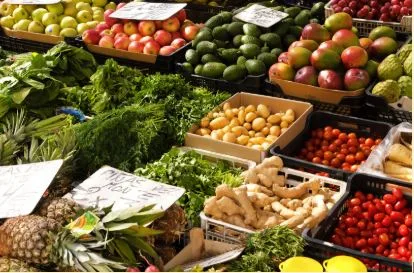
Food preferences in the United States are changing largely because of immigration and cultural diversity. People who move from Europe and other regions bring their food traditions with them, including familiar recipes, ingredients, and everyday shopping habits. For many immigrants, finding the right products is not about experimenting with new flavors, but about preserving everyday comfort and cultural identity.
International grocery stores help meet this need by offering foods that are rarely available in conventional supermarkets. They allow European communities to prepare familiar meals, celebrate cultural traditions, and preserve everyday routines.
Over time, authentic food shopping becomes a regular necessity rather than a specialty experience. For customers searching for a reliable russian supermarket, online platforms provide a practical alternative to visiting multiple physical locations. NetCost market gives access to traditional groceries and international products through a convenient digital format, which is especially valuable for people living outside major urban areas or regions with limited specialty stores.
The Rise of Authentic Shopping
Studies highlight how migrant populations are spread far beyond major cities, influencing local communities and daily routines in many regions. Insights from demographic researches show how immigration continues to shape everyday life across the United States, with millions of people maintaining close ties to their cultural traditions after relocation.
The demand for international groceries is closely tied to demographic changes. As ethnic communities continue to grow, so does the need for authentic ingredients that reflect traditional cuisines rather than adapted or mass-produced versions. Shoppers often prioritize quality, origin, and familiarity when choosing food products.
The Core Values of the Shopper’s Experience
Customers who shop at international grocery stores usually have clear expectations. They are trusted not only for variety, but also for consistency and transparency.
Key expectations typically include:
- a broad assortment of authentic products;
- clear descriptions and country-of-origin details;
- fresh meat, dairy, and baked goods;
- convenient delivery or pickup options;
- consistent quality across different categories.
Meeting these expectations builds confidence and encourages long-term customer loyalty.
Digital Convenience in Modern Grocery Retail
Online grocery shopping has become especially important for international stores. Many traditional products are not widely available offline, and travel time can be a barrier for busy households. Digital platforms make it easier to plan purchases, compare options, and order familiar foods without unnecessary stress.
A well-organized online store reduces uncertainty. Clear categories, detailed descriptions, and reliable delivery help customers feel confident in their choices, whether they are shopping for everyday meals or cultural celebrations.
How International Stores Fit Into Everyday Life
For many immigrant households, authentic supermarkets are part of weekly routines. They support daily cooking rather than occasional purchases.
Popular product categories often include:
- fresh vegetables and herbs;
- traditional sausages and cheeses;
- frozen dumplings and ready meals;
- specialty sweets and pantry staples.
Once shoppers find a dependable store, they tend to return regularly.
Conclusion
The growing popularity of international grocery stores in the U.S. is closely tied to immigration, cultural diversity, and the demand for authentic food. European and other communities rely on these shops to maintain everyday food traditions while adapting to modern shopping habits.
By combining traditional flavors with convenient online service, NetCost market fits naturally into this shift, helping international groceries remain accessible, familiar, and reliable for customers across the country.