Used Storage Containers in Construction and Logistics Projects
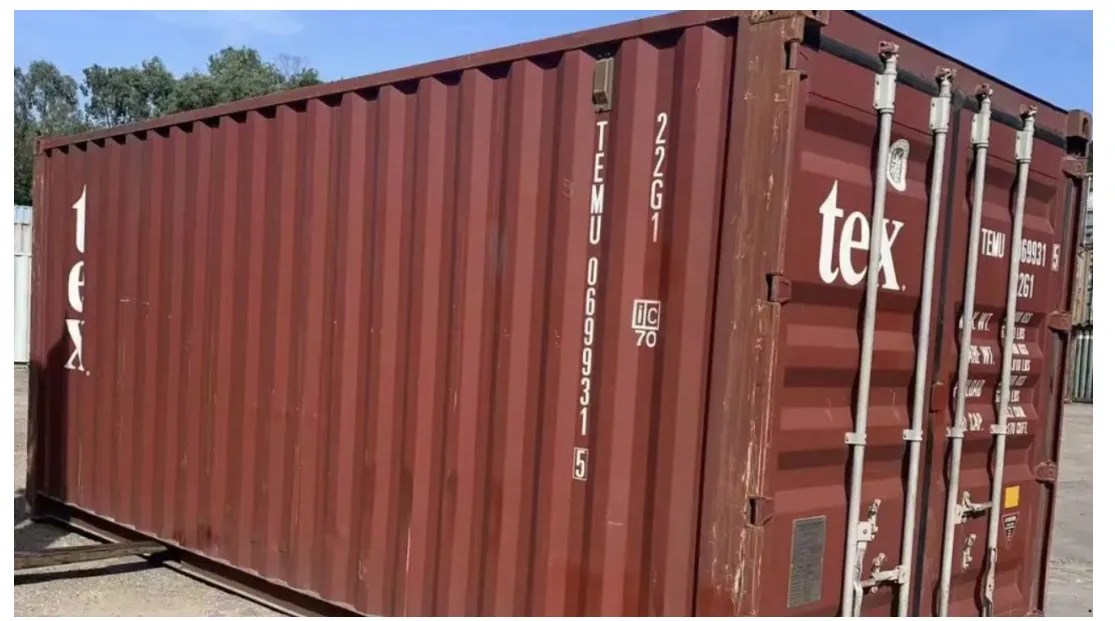
In today’s fast-moving construction and logistics industries, space, security, and flexibility matter more than ever. Project managers are constantly looking for reliable ways to store materials, tools, and equipment without slowing down operations. This is where Used Storage Containers have become an essential solution. Strong, adaptable, and cost-effective, these containers support daily site activities while keeping projects organized and efficient.
Why Used Storage Containers Matter on Job Sites
Construction and logistics projects are rarely static. Locations change, timelines shift, and storage needs grow or shrink over time. Permanent storage structures are often impractical, expensive, or too slow to build. Used containers solve this problem by offering instant, movable storage that can be placed exactly where it is needed.
Their steel construction protects valuable assets from theft, weather, and accidental damage. Whether it’s a short-term build or a long-term logistics hub, containers provide dependable on-site storage without complex setup.
Common Uses in Construction Projects
On construction sites, storage challenges appear from day one. Tools, machinery, raw materials, and safety equipment must be kept secure and accessible. Used containers are often placed near work zones to reduce downtime and improve workflow.
They are commonly used to:
- Store power tools and hand tools safely overnight
- Protect cement, steel, wiring, and fittings from moisture
- Secure expensive machinery when not in use
- Serve as temporary site offices or planning rooms
Because they can be relocated easily, containers move along with the project, making them ideal for phased construction work.
Role in Logistics and Supply Chain Operations
In logistics projects, timing and organization are critical. Warehouses, ports, and distribution centers often need extra space during peak seasons or unexpected surges. Used Storage Containers act as overflow storage, helping companies manage inventory without expanding permanent facilities.
They are widely used for:
- Temporary inventory holding during high demand
- Secure storage at ports and freight yards
- Organizing spare parts and packaging materials
- Supporting last-mile delivery hubs
Their standardized sizes also make stacking and planning easier, especially in busy logistics environments.
Cost and Sustainability Benefits
One of the biggest advantages of used containers is affordability. Compared to building new storage structures, containers require far less investment. This makes them especially attractive for small contractors, startups, and temporary projects.
Beyond cost savings, reuse supports sustainability. By extending the life of existing steel containers, companies reduce waste and lower demand for new raw materials. This environmentally responsible approach aligns well with modern construction and logistics standards.
Choosing the Right Container for the Job
Not all projects have the same needs, so choosing the right container is important. Factors such as size, condition, and intended use should guide the decision.
For basic on-site storage, a standard 20-foot container is often sufficient. Larger projects may benefit from 40-foot containers, which provide more room for bulk materials or equipment. High-cube containers, with extra height, are useful when storing tall items or planning simple interior modifications.
Condition also matters. Containers that are wind and water tight work well for storage, while cargo-worthy units are better suited for transport-related logistics tasks.
Security and Weather Protection
Construction and logistics sites are often exposed environments. Rain, dust, heat, and unauthorized access can cause serious losses. Used containers are designed to withstand harsh conditions, making them reliable in almost any climate.
With lockable steel doors and reinforced frames, they act as strong barriers against theft. Simple upgrades like lockboxes, shelving, or ventilation can further improve usability without major expense.
Easy Transport and Placement
Another major advantage is mobility. Containers can be delivered directly to the site and repositioned as needed. This flexibility is especially helpful for projects spread across multiple locations or those that evolve over time.
As long as the ground is level and accessible, placement is straightforward. Once a project is complete, the container can be moved to the next site or repurposed for another use.
Long-Term Value for Project Managers
Used Storage Containers are more than just metal boxes. They are practical tools that help teams stay organized, reduce losses, and keep projects on schedule. Their durability ensures years of service, even after heavy use.
For construction and logistics professionals, investing in used containers is a smart way to balance performance, budget, and sustainability. With proper planning and selection, they become a long-term asset rather than a short-term fix.
Final Thoughts
From busy construction zones to complex logistics networks, used containers play a quiet but vital role. They bring order to demanding environments and adapt easily to changing needs. For projects that require secure, flexible, and affordable storage, used containers continue to prove their value every day.