How a Roofing Company Operates from Start to Finish?
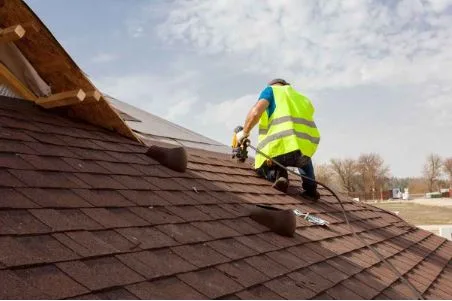
A roofing company plays a critical role in protecting buildings from weather, moisture, and long-term structural damage. Roofing is not simply about placing materials on top of a house; it involves planning, inspection, skilled labor, safety management, and strict quality control. Each stage of the process requires experience and coordination to ensure reliable results. This makes professional roofing services essential for long-term property protection.
Understanding how a roofing company operates from start to finish allows homeowners and property managers to make informed decisions. It clarifies what happens at each step, how time and costs are managed, and why professional procedures matter. When customers know what to expect, communication improves and project outcomes become more successful. This transparency also builds trust between the client and the roofing contractor.
Full Operation of a Roofing Company
The operation of a roofing company is a coordinated system involving customer communication, technical evaluation, material management, skilled labor, and quality control. Each stage builds upon the previous one to ensure the roof is installed or repaired correctly, safely, and efficiently.
Professional roofing companies follow standardized procedures to minimize errors, control costs, and maintain compliance with safety regulations. Below is a step-by-step explanation of how the process typically unfolds.
1. Initial Contact
The roofing process begins when a customer reaches out to the company by phone, email, website form, or referral. During this first interaction, basic information such as property location, roof type, and visible concerns is collected. The representative listens carefully to the customer’s needs and provides initial guidance. This step sets the foundation for effective communication throughout the project.
The company also explains its services, experience, and next steps during the initial contact. Scheduling a roof inspection is usually the primary goal at this stage. Clear and professional communication helps establish trust early on. A positive first impression often influences the customer’s confidence in the roofing company.
2. Roof Inspection
A roof inspection is conducted by a trained professional to assess the roof’s condition thoroughly. Inspectors examine shingles, flashing, gutters, vents, and structural components. They look for signs of leaks, wear, storm damage, or poor installation. This detailed evaluation ensures no issues are overlooked.
In some cases, inspectors may use tools such as moisture meters, ladders, or drones to improve accuracy. Attic spaces may also be checked for ventilation and water damage. Accurate inspections help prevent future problems and unexpected costs. This step is essential for determining the correct roofing solution.
3. Problem Assessment
After the inspection, the roofing professional analyzes the findings to identify the root causes of any issues. Damage may result from aging materials, weather exposure, improper drainage, or structural weaknesses. Understanding the true cause helps prevent temporary fixes that fail over time. A clear assessment supports long-term roof performance.
The assessment also determines whether repairs or full replacement are required. Minor damage may only need targeted repairs, while widespread issues may justify a complete reroofing. This stage allows the roofing company to recommend the most effective solution. Honest assessments build credibility and customer trust.
4. Cost Estimation
Once the problem is clearly defined, the roofing company prepares a detailed cost estimate. This estimate includes labor, materials, equipment usage, permits, and disposal costs. Providing a clear breakdown helps customers understand the overall investment. Transparency reduces confusion and avoids unexpected expenses.
Cost estimates may vary depending on material choices, roof size, and project complexity. The company explains these factors to help customers make informed decisions. A professional estimate balances affordability with quality. This stage ensures both parties share realistic financial expectations.
5. Proposal Approval
The proposal outlines the full scope of work, materials to be used, timeline, warranties, and payment terms. Customers are given time to review and ask questions before approving. Adjustments may be made based on budget or material preferences. This collaborative process ensures mutual agreement.
Once approved, the proposal becomes a formal agreement guiding the project. It protects both the customer and the roofing company by setting clear expectations. Approval allows the company to move forward confidently. This step marks the transition from planning to execution.
6. Material Procurement
After approval, the roofing company orders all necessary materials from trusted suppliers. This includes roofing materials, underlayment, flashing, fasteners, and safety equipment. Proper procurement ensures materials meet quality standards and project specifications. Timely ordering prevents work delays.
Companies often select materials suited to the local climate and building requirements. Storage and delivery logistics are also carefully managed. Quality materials contribute directly to roof durability and performance. This stage reflects the company’s commitment to long-term results.
7. Scheduling Work
Scheduling the roofing project involves coordinating labor, materials, and weather conditions. The company sets a start date and estimated completion timeline. Customers are informed well in advance to prepare accordingly. Clear scheduling reduces inconvenience and confusion.
Weather forecasts are closely monitored to avoid unsafe conditions. Unexpected delays are communicated promptly to maintain transparency. Efficient scheduling keeps the project on track. This step ensures a smooth and organized installation process.
8. Site Preparation
Before installation begins, the crew prepares the worksite for safety and efficiency. Protective coverings are placed over landscaping, windows, and nearby structures. Safety equipment and access points are set up properly. This preparation minimizes risk and property damage.
Clear pathways are established for workers and materials. Tools and equipment are organized to maintain workflow. Site preparation reflects professionalism and attention to detail. A well-prepared site allows the roofing project to proceed smoothly.
9. Roof Installation
Roof installation begins with removing old materials if necessary. The roof deck is inspected for damage and repaired before new materials are installed. This ensures a strong foundation for the new roof system. Proper preparation improves overall durability.
New underlayment, flashing, and roofing materials are installed according to manufacturer guidelines. Skilled craftsmanship ensures correct alignment and sealing. Installation quality directly impacts roof lifespan. This phase is the core of the roofing operation.
10. Quality Checks
Quality checks are performed throughout the installation process. Supervisors inspect workmanship, material placement, and safety compliance. Any issues are corrected immediately to maintain standards. Continuous monitoring prevents future problems.
These checks ensure the roof meets company standards and building codes. Attention to detail during this stage protects warranties and performance. Quality control demonstrates accountability. It ensures the final product meets professional expectations.
11. Final Inspection
After installation is complete, a final inspection is conducted. The roof is examined for completeness, durability, and compliance with the approved proposal. This inspection confirms the project meets all requirements. It ensures nothing was overlooked.
Customers may be invited to review the finished work. The company explains maintenance tips and warranty coverage. Addressing concerns at this stage builds confidence. Final inspection marks project completion.
12. Cleanup Process
Cleanup is an essential final step in the roofing operation. Debris, old materials, and nails are removed from the site. Magnetic tools are often used to collect metal fragments. The goal is to leave the property safe and clean.
Waste materials are disposed of responsibly according to regulations. Landscaping and surrounding areas are restored. A thorough cleanup reflects professionalism and respect for the customer’s property. This step completes the roofing project properly.
Work with Industry Experts
Working with industry experts ensures roofing solutions that match local climate demands and construction standards. Dream Home Roofing brings valuable regional experience from serving homeowners and businesses throughout New Jersey. Their team understands how seasonal storms, temperature shifts, and moisture exposure impact roofing systems. This hands-on knowledge allows them to deliver reliable and long-lasting results in roofing New Jersey projects.
Dream Home Roofing proudly supports property owners by following local regulations, safety requirements, and permit guidelines specific to New Jersey. Their skilled professionals focus on quality workmanship, clear communication, and efficient project management. Clients benefit from dependable local service and consistent outcomes. This expert-driven approach provides confidence and lasting protection for every property.
Conclusion
A roofing company operates through a detailed and organized process designed to deliver reliable and long-lasting results. From initial contact to final cleanup, each stage contributes to quality, safety, and customer satisfaction. Professional procedures reduce risks and improve performance. This structured approach ensures consistent outcomes.
Understanding this process helps customers appreciate the expertise involved in roofing work. It also highlights the value of hiring experienced professionals. A well-managed roofing operation protects both property and investment. Ultimately, it ensures peace of mind for homeowners and businesses alike.